Jump to HeaderJump to Main ContentJump to Footer
Michigan State University
  • Browse Stories By

    Topics

    Explore stories by subject area

    • Arts and Culture
    • Business and Economy
    • Climate and Environment
    • Education and Learning
    • Engineering, Science and Technology
    • Government and Society
    • Health and Medicine
    • Media and Communications
    • MSU Leadership and Impact
    • Sports and Recreation
    • Student and Campus Experience
    View All Stories

    Collections

    Curated story series

    • Turfgrass
    • Ask the Expert
    • Big Ideas
    • Climate solutions
    • Water at MSU
    • Mobility
    • Spartan Perspectives
    • Student views
    • Graduate voices
    • Faculty voices
    View All Collections

    Featured

    Editor's picks

    • The Spartans behind your favorite Michigan golf courses

      July 22, 2026

      The Spartans behind your favorite Michigan golf courses

    • MSU in the 1990s: 10 Spartan milestones

      July 14, 2026

      MSU in the 1990s: 10 Spartan milestones

MSUTODAY
  • Browse Stories By

< Browse Stories By

Topics

Explore stories by subject area

  • Arts and Culture
  • Business and Economy
  • Climate and Environment
  • Education and Learning
  • Engineering, Science and Technology
  • Government and Society
  • Health and Medicine
  • Media and Communications
  • MSU Leadership and Impact
  • Sports and Recreation
  • Student and Campus Experience
  • View All Stories

Collections

Curated story series

  • Turfgrass
  • Ask the Expert
  • Big Ideas
  • Climate solutions
  • Water at MSU
  • Mobility
  • Spartan Perspectives
  • Student views
  • Graduate voices
  • Faculty voices
  • View All Collections

Featured

Editor's picks

  • The Spartans behind your favorite Michigan golf courses

    July 22, 2026

    The Spartans behind your favorite Michigan golf courses

  • MSU in the 1990s: 10 Spartan milestones

    July 14, 2026

    MSU in the 1990s: 10 Spartan milestones

  • For Media
  • Experts
  • Releases and Statements
  • Sign Up
  • Update Information

Resources

  • A to Z Index
  • Find People
  • Maps
  • Email
  • Student Information System (SIS)
  • D2L
  • Libraries
  • Tech Support
  • MSU Misconduct Hotline
  • Social Media Directory
  • Events Calendar
  • For Media
Michigan State University
MSUToday
  • For Media
  • Experts
  • Releases and Statements
  • Sign Up
  • Update Information
MSUTODAY
Internet and Social Media

May 13, 2025

First-of-its-kind MSU study links problematic social media use to belief in fake news

A first-of-its-kind study from researchers at Michigan State University reveals that individuals who experience the most distress and impairment in daily functioning from social media use are more likely to believe fake news.
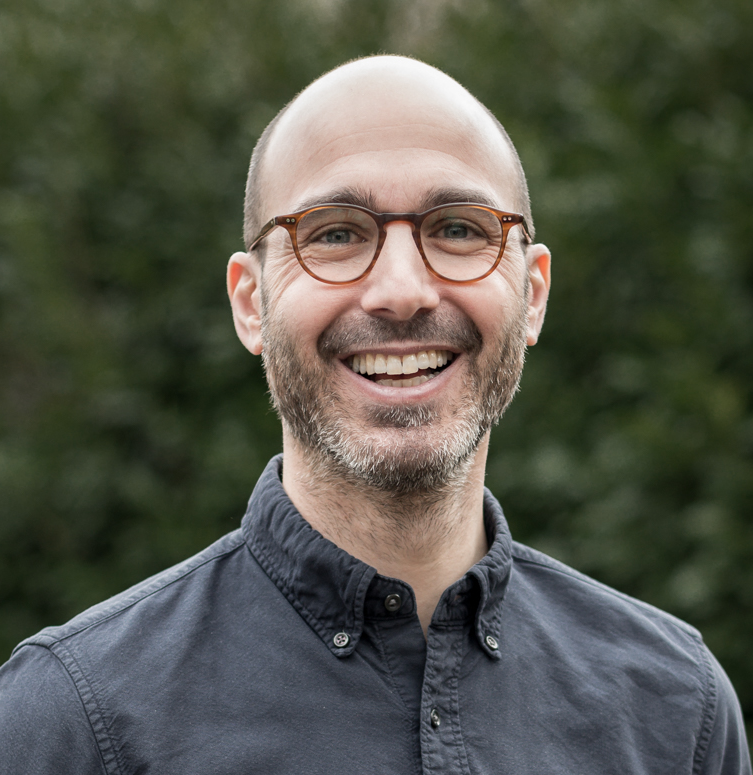
Headhot of Dar Meshi
Dar Meshi, associate professor of advertising and public relations at MSU, investigates social media use, often focusing on maladaptive, problematic social media use.

“Social media are everywhere in our daily lives, and some people display problematic, excessive use of these platforms. We found that this overuse is associated with a greater tendency to believe in and engage with misinformation,” said Dar Meshi, an associate professor and co-author of the study, which published today in the journal PLOS One and was funded by MSU’s Trifecta Initiative.

Meshi and his co-author, Maria D. Molina, both faculty members in the MSU College of Communication Arts and Sciences, conducted an online experiment in which 189 participants, age 18 to 26, were presented with 20 news stories formatted as social media posts. Ten of the stories were real and ten were false, and the order of delivery was randomized. By assessing participants’ credibility judgment of these news posts; participants intentions to click, comment, like and share posts; and their degree of problematic social media use, Meshi and Molina found that the greater people’s symptoms of problematic social media use, the more likely they were to:

  • believe fake news is true;
  • interact with news posts regardless if they were real or fake; and
  • want to click on fake news posts.

Fake or false news falls under two categories: misinformation if it is unintentionally distributed and disinformation if it is intentionally distributed to deceive people.

“False news has become a hotly debated and researched topic because of its availability to be shared and spread over social media. Over 60% of people in the U.S. read content on social media, and research has demonstrated that false news disseminates over social media at a greater rate than real news,” said Molina.

The researchers believe their study is the first to look at how problematic social media use is involved with people’s trust in fake news by measuring their intended actions, like clicking, liking and sharing posts. Although the American Psychiatric Association doesn’t recognize problematic social media use as a clinical disorder, Meshi points out that it shares similarities with substance use and other behavioral addictive disorders.
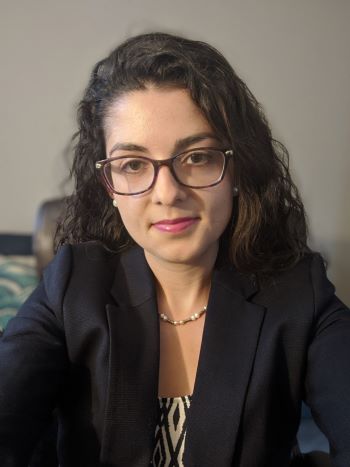
Headhot of Maria Molina
Maria D. Molina, assistant professor of advertising and public relations, studies online persuasion in the context of digital health, fake news, and online privacy.

“People who display problematic social media use may feel bad if they can’t access it, and they might even return to it after trying to quit. This kind of behavior has been linked to job loss, poor grades and mental health issues,” Meshi said.

Meshi and Molina hope their findings will help mental health professionals working with people who struggle with social media use, as well as others in the health care field.

“Individuals with signs of problematic social media use may also be more susceptible to health-related misinformation, so clinicians specializing in different fields may benefit from awareness of their patients’ degree of social media use,” said Molina.

The study’s findings could also help inform efforts from governmental agencies, organizations and social media companies to combat misinformation and disinformation.

By identifying people who are more likely to believe fake news, we can help reduce its spread,” Meshi said. “Researchers could work with social media companies to find ways to help these users and limit their exposure to fake news.”


MEDIA CONTACTS

Alex Tekip
Internet and Social MediaMedia and CommunicationsMental HealthHealth and MedicineMental Health

Collection

more content from this collection

Politics Elections Policy

Latest News

MSUToday Weekly Update

The MSUToday Weekly Update email showcases how Spartans are making a difference through academic excellence, research impact and community outreach. Get inspired by these stories of innovation, collaboration and determination. Plus, enjoy photos and videos of campus and more MSU content to help keep you connected to the Spartan community.

Sign UpUpdate My Information

Connect With Us

Visit our Facebook pageVisit our page on XVisit our Instagram pageVisit our LinkedIn pageVisit our YouTube pageVisit our TikTok page

Health and Safety

  • MSU Police and Public Safety
  • Olin Health Center
  • Counseling & Psychiatric Services (CAPS)
  • University Health and Wellbeing
  • MSU Health Care
  • Civil Rights and Title IX
  • Our Commitment
  • Center for Survivors
  • Security & Fire Safety Report
  • University Policy on Relationship Violence and Sexual Misconduct
  • Notice of Non-Discrimination, Anti-Harassment and Non-Retaliation
  • Health Care Non-Discrimination Notice

Support Services

  • Disability Resources
  • Supportive Services
  • Learning Resources

Working at MSU

  • Human Resources
  • EBS Login
  • Job Postings
  • Employee Assistance Program

Reports

  • CARES Act Funding
  • Student Achievement and Outcomes

Contact us

517-355-1855

Address

Michigan State University 426 Auditorium Road East Lansing, MI 48824

Follow Us

  • Visit our Facebook page
  • Visit our page on X
  • Visit our Instagram page
  • Visit our TikTok page
  • Visit our LinkedIn page
  • Visit our YouTube page

If you're having accessibility issues, please let us know.

Know More: Campus Safety Information and ResourcesTransparency Reporting: Budget & Salary/Compensation
  • Contact Information|
  • Site Map|
  • Privacy Statement|
  • Site Accessibility|
  • Call MSU: (517) 355-1855|
  • Visit: msu.edu|
  • Notice of Nondiscrimination|

SPARTANS WILL|© Michigan State University|