As conversations continue to build among policymakers and industry leaders on how to best address nutrient runoff, energy transition and sustainable waste management in the Great Lakes region, Michigan State University scientists are pioneering solutions that transform organic waste into a public asset.

On May 15, George Smith, director of MSU AgBioResearch and Wei Liao, director of the MSU Anaerobic Digestion Research and Education Center (ADREC), testified in front of the Michigan House Agriculture Committee that through cutting-edge anaerobic digestion research and deployment, MSU researchers are demonstrating how agricultural and food waste can be harnessed to produce clean energy, recover valuable resources and protect the Great Lakes ecosystem.
Anaerobic digestion is a natural biological process in which microorganisms break down organic materials — such as livestock manure and food waste — in the absence of oxygen. The result is the production of biogas, primarily composed of methane and carbon dioxide and a nutrient-rich byproduct known as digestate.
The biogas can be used to generate electricity and thermal energy, or it can be refined into renewable natural gas for transportation or grid injection. Meanwhile, digestate, which compared to raw manure gives off
less odor and greatly reduces pathogens (such as E. coli, salmonella and listeria, originating from the digestive systems of animals or food wastes), can be further treated to produce stabilized organic fertilizers and recover clean water that meets U.S. Environmental Protection Agency guidelines and recommendations for reuse.
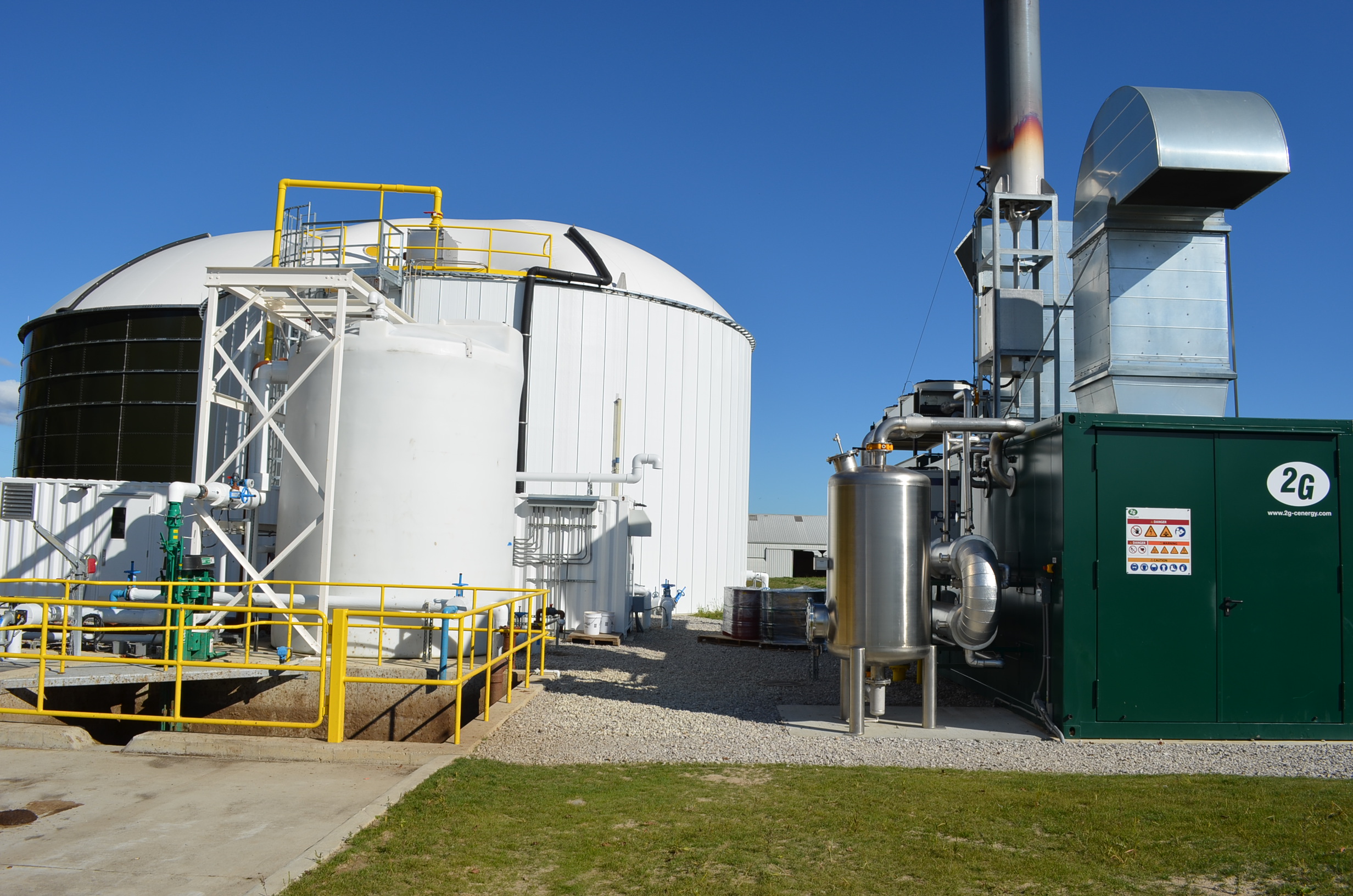
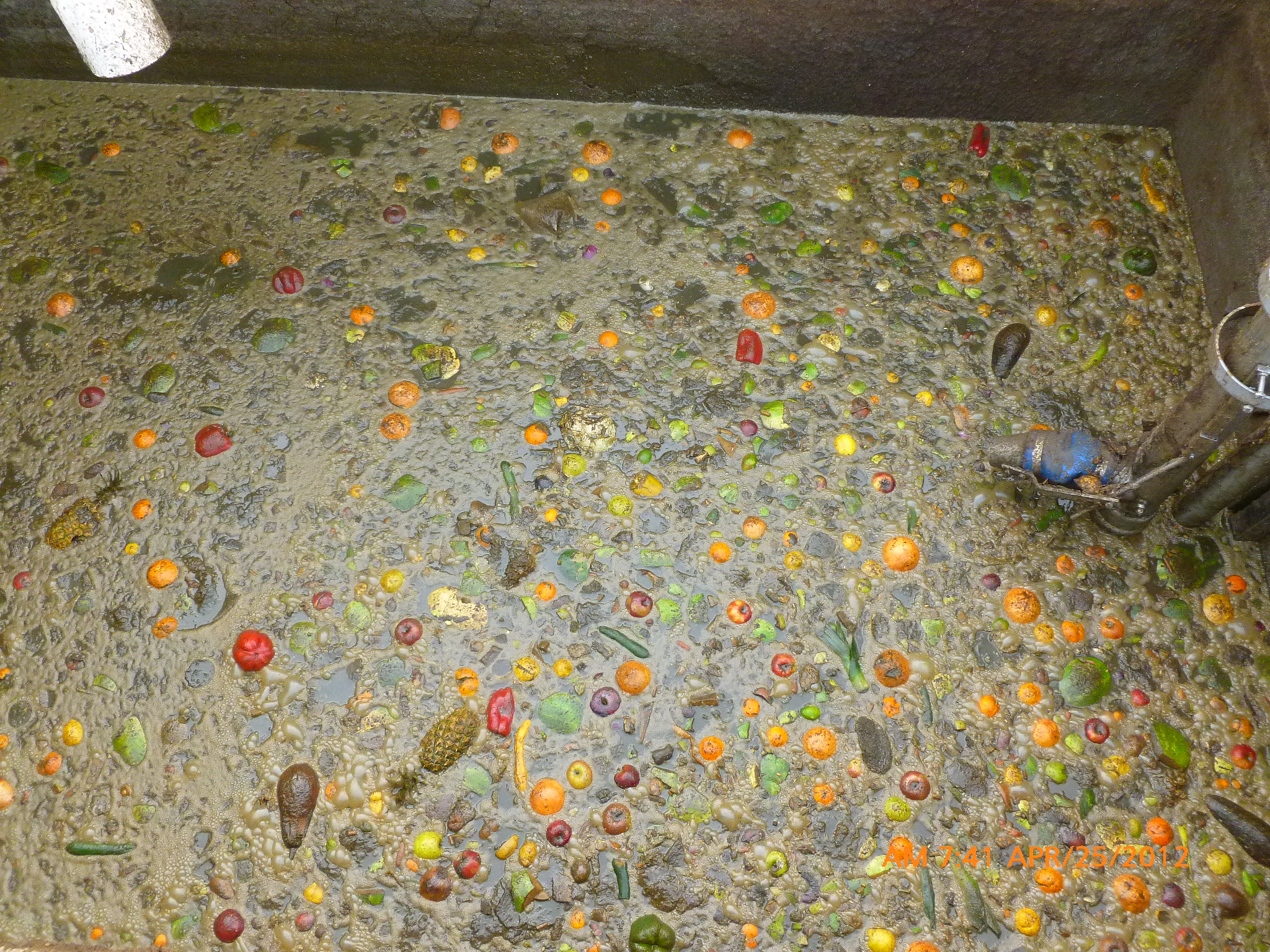
Established in 2008, ADREC has become a national model for applied anaerobic digestion research, education and industry engagement. Since 2013, MSU has also operated a full-scale anaerobic digestion facility on its South Campus, processing approximately 15,000 gallons of diverse animal and food wastes, including dairy manure, swine manure, fats, oils, grease, depacked food waste and milk and egg processing waste. From these wastes, the facility generates 6,500 kilowatt-hours per day of renewable electricity and produces 15,000 gallons of digestate daily.
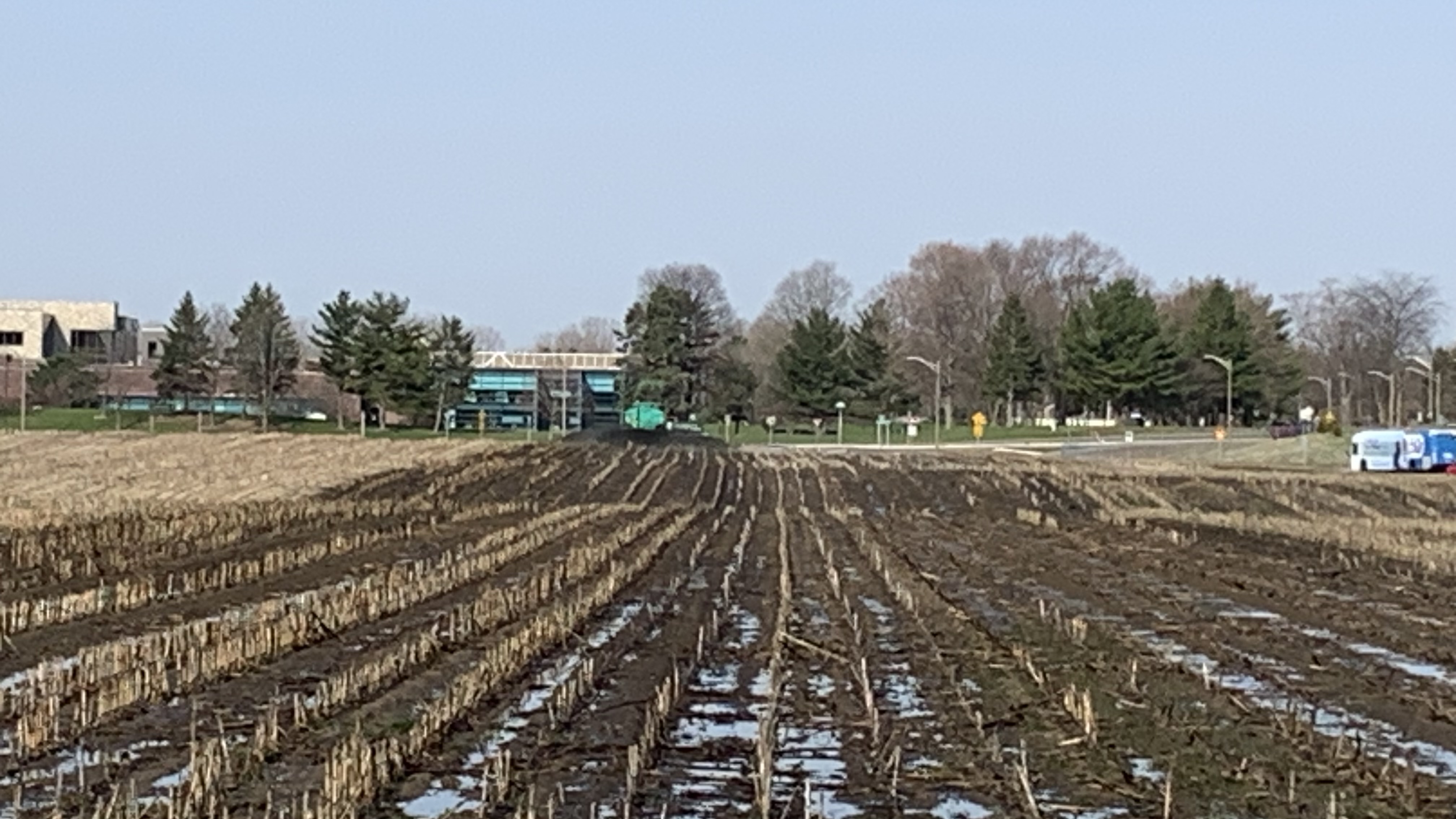
The digestate is land-applied across 1,000 acres of university farmland under Michigan’s Generally Accepted Agricultural and Management Practices. Application is guided by soil test data to ensure that nutrients — particularly nitrogen, phosphorus and potassium — are applied in controlled amounts tailored to crop needs. This precision nutrient management helps optimize soil fertility while minimizing the risk of nutrient runoff to surrounding ecosystems.
Over 15 years of continuous land application at MSU, regular monitoring has shown no evidence of groundwater contamination at any of the 15 on-site type I water wells south of the main campus — a compelling validation of anaerobic digestion’s environmental safety when properly implemented, according to Liao.
Recognizing growing public concern about the potential for emerging contaminants — including heavy metals, per- and polyfluoroalkyl substances (PFAS), pharmaceuticals and microplastics — to be present in organic waste streams, MSU researchers have taken a proactive role in investigating and managing these risks. Targeted measurements have been conducted on digestate samples to assess the presence of trace elements and regulated substances, with ongoing studies evaluating the fate and transport of contaminants during the digestion process and after land application.
Liao, a professor in the MSU Department of Biosystems and Agricultural Engineering, said while concentrations of these substances are often low or below detection limits, MSU’s approach emphasizes science-based application practices, comprehensive waste source assessment and alignment with state and federal safety standards.
“The on-going efforts reflect MSU’s commitment to ensuring that anaerobic digestion remains not only a renewable energy and nutrient recovery strategy, but also a safe, responsible and resilient system for protecting public health and natural resources in the Great Lakes region,” Liao said.
Liao leads efforts at ADREC to convert waste liabilities into economic and environmental opportunities through next-generation anaerobic digestion technologies, systems integration and sustainable nutrient management. The center’s platform supports collaborations across academia, government and industry, bringing together engineers, farmers, policy experts and entrepreneurs to pilot, scale and validate advanced anaerobic digestion and resource recovery systems.
The economic potential of anaerobic digestion in Michigan is vast, Liao said.
In Michigan, agriculture is a leading industry contributing roughly $105 billion annually to the state’s economy, according to the Michigan Department of
Agriculture and Rural Development. Liao said because of this and Michigan’s proximity to the Great Lakes, anaerobic digestion could be primed for success in the state.
“This integrated waste-to-resource approach holds promise in an agriculturally abundant and diverse state such as Michigan, where water quality concerns — especially in the Great Lakes basin — also demand urgent attention,” Liao said.
According to recent estimates from the American Biogas Council (ABC), widespread deployment of anaerobic digestion infrastructure could catalyze over $1.27 billion in capital investments, generate more than 12,000 construction jobs and sustain over 1,000 long-term operational positions, with additional indirect job creation across the supply chain.
At MSU, to advance knowledge on how organic waste can play a part in energy production and nutrient recovery through anaerobic digestion, the university is building a state-of-the-art Dairy Cattle Teaching and Research Center with a $30 million investment from the State of Michigan. Supported by MSU’s anaerobic digester, the new dairy center will expand MSU’s research capacity for transforming agricultural waste into renewable energy and resources.
Undertakings such as these, Smith said, are helping MSU position itself as a worldwide expert in the implementation, data collection and advancement of anaerobic digestion, which — in turn — also make the university a leading institution developing science-driven, scalable solutions for a sustainable future.
“With sustained investment and cross-sector collaboration, MSU has and will continue to conduct research and provide information on anaerobic digestion that could make it a cornerstone of Michigan’s strategy to build resilient communities, clean energy infrastructure and protected water resources — setting an example for the entire Great Lakes region and beyond,” Smith said.
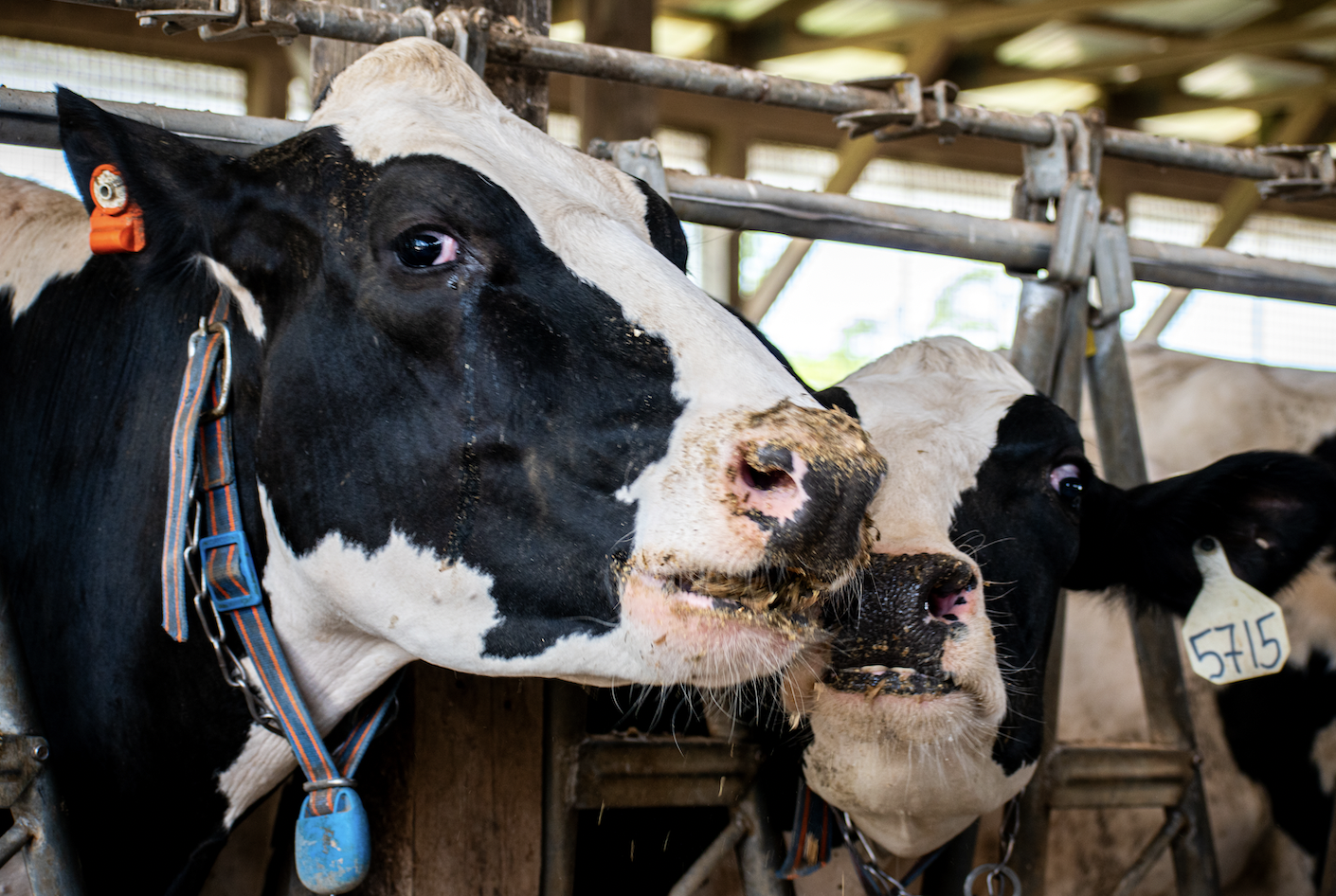
Michigan’s organic waste streams — including over 11 million annual dry tons of livestock manure and more than 3 million annual dry tons of food waste, as documented by ABC — represent untapped feedstock for energy and nutrient recovery. With full utilization, these wastes could generate 2% to 4% of Michigan’s total electricity needs or supply 10% to 15% of statewide gasoline demand in the form of renewable natural gas, contributing to energy independence and decarbonization goals, according to Liao.
Beyond energy, MSU’s next-generation anaerobic digestion technologies are focused on maximizing nutrient and water recovery from organic waste streams. Advanced processes are being developed to extract and reuse nitrogen and phosphorus — critical nutrients that, if improperly managed, contribute to harmful algal blooms and water pollution in the Great Lakes. At the same time, MSU researchers are actively addressing growing concerns about emerging contaminants in digestate, such as PFAS, heavy metals, pharmaceuticals and microplastics, while also devising best management practices to minimize risks.
“By stabilizing and concentrating nutrients in forms that match crop needs and reclaiming water for agricultural or industrial reuse, anaerobic digestion systems offer a closed-loop strategy to enhance soil health, reduce chemical fertilizer dependence, mitigate the spread of emerging contaminants and protect Michigan’s freshwater resources — including the Great Lakes, which supply drinking water to over 40 million people,” Liao said.
“Anaerobic digestion is a tool for simultaneously cutting greenhouse gas emissions, recovering nutrients and water and revitalizing rural economies. We at ADREC welcome policymakers, industry leaders, philanthropists and the general public to join us in supporting this transformative work.”
This article was originally published on the AgBioResearch website

