Jump to HeaderJump to Main ContentJump to Footer
Michigan State University
  • Browse Stories By

    Topics

    Explore stories by subject area

    • Arts and Culture
    • Business and Economy
    • Climate and Environment
    • Education and Learning
    • Engineering, Science and Technology
    • Government and Society
    • Health and Medicine
    • Media and Communications
    • MSU Leadership and Impact
    • Sports and Recreation
    • Student and Campus Experience
    View All Stories

    Collections

    Curated story series

    • Turfgrass
    • Ask the Expert
    • Big Ideas
    • Climate solutions
    • Water at MSU
    • Mobility
    • Spartan Perspectives
    • Student views
    • Graduate voices
    • Faculty voices
    View All Collections

    Featured

    Editor's picks

    • The Spartans behind your favorite Michigan golf courses

      July 22, 2026

      The Spartans behind your favorite Michigan golf courses

    • MSU in the 1990s: 10 Spartan milestones

      July 14, 2026

      MSU in the 1990s: 10 Spartan milestones

MSUTODAY
  • Browse Stories By

< Browse Stories By

Topics

Explore stories by subject area

  • Arts and Culture
  • Business and Economy
  • Climate and Environment
  • Education and Learning
  • Engineering, Science and Technology
  • Government and Society
  • Health and Medicine
  • Media and Communications
  • MSU Leadership and Impact
  • Sports and Recreation
  • Student and Campus Experience
  • View All Stories

Collections

Curated story series

  • Turfgrass
  • Ask the Expert
  • Big Ideas
  • Climate solutions
  • Water at MSU
  • Mobility
  • Spartan Perspectives
  • Student views
  • Graduate voices
  • Faculty voices
  • View All Collections

Featured

Editor's picks

  • The Spartans behind your favorite Michigan golf courses

    July 22, 2026

    The Spartans behind your favorite Michigan golf courses

  • MSU in the 1990s: 10 Spartan milestones

    July 14, 2026

    MSU in the 1990s: 10 Spartan milestones

  • For Media
  • Experts
  • Releases and Statements
  • Sign Up
  • Update Information

Resources

  • A to Z Index
  • Find People
  • Maps
  • Email
  • Student Information System (SIS)
  • D2L
  • Libraries
  • Tech Support
  • MSU Misconduct Hotline
  • Social Media Directory
  • Events Calendar
  • For Media
Michigan State University
MSUToday
  • For Media
  • Experts
  • Releases and Statements
  • Sign Up
  • Update Information
MSUTODAY

April 18, 2025

Faculty voice: How do we know when to screen and when to try to prevent disease?

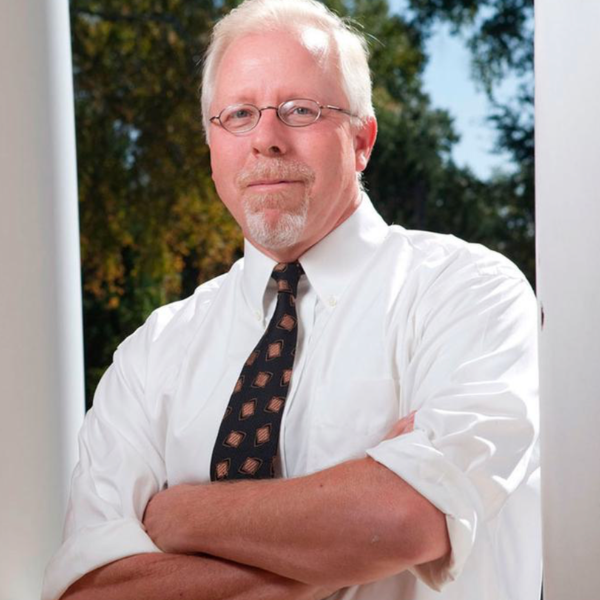
Mark Ebell
Mark Ebell

Mark Ebell is a professor of family medicine at Michigan State University College of Human Medicine. He is editor-in-chief of Essential Evidence Plus and deputy editor of the American Family Physician journal, and author more than 600 peer-reviewed publications on evidence-based practice, screening, respiratory infections, cancer screening, and clinical decision-making. Ebell served on the United States Preventive Services Task Force from 2012 to 2015 and served as a consultant to the Task Force from 2016 to 2020.

Should you take aspirin to prevent heart disease? What is the best age to begin to screen for breast and colon cancer? What are the potential benefits and harms of screening for prostate cancer?

Americans and their primary care physicians ask questions like this every day and look to authoritative sources for guidance. For over 40 years, the US Preventive Services Task Force has provided recommendations about screening and prevention. The Task Force consists of 15 volunteer experts in family medicine, internal medicine, obstetrics and gynecology, pediatrics, and nursing. These experts work closely with Evidence-Based Practice Centers funded by the federal Agency for Healthcare Research and Quality, or AHRQ, part of the Department of Health and Human Services, to make recommendations for 77 diseases and conditions. I had the privilege to serve on the task force for four years and then serve as a consultant for another four years.

The proposed reorganization of HHS includes eliminating AHRQ, firing over half of its employees. This agency is essentially the only one that supports research on how to best deliver care, how to make health care safer and more efficient, and research in primary care settings where most people get their health care. Without the support of AHRQ staff and the Evidence-Based Practice Centers, they will be unlikely to continue making independent, evidence-based recommendations about screening and prevention.
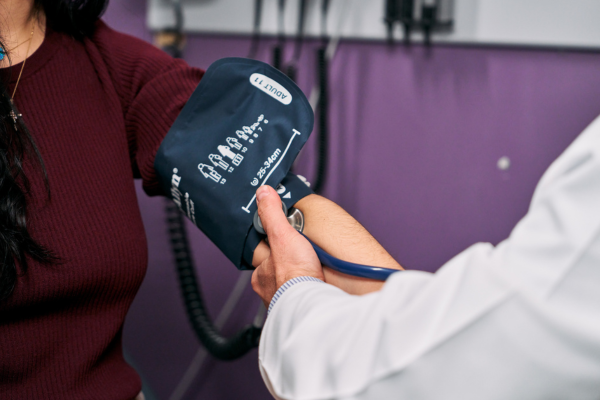
Screening Blood Pressure
 

Why does this matter? Aren’t screening and prevention always good? Well, when patients are sick or injured, they are willing to accept some degree of discomfort and even harm to feel better. The radiation from an x-ray, the discomfort and scar of a biopsy, the cost of a treatment are generally accepted as part of the price of feeling better. But screening and primary prevention are done in healthy individuals, who don’t have any signs or symptoms of illness. That makes it especially important that we carefully evaluate both the potential benefits and the potential harms when we propose to use a test to screen for cancer or a medicine to prevent illness.

The harms are often downstream of the initial test. It’s tempting to think: it’s just an inexpensive blood test to screen for prostate cancer, what’s the harm? But for every 1000 men who do this blood test every year from age 55 to 69, 100 will be diagnosed with prostate cancer, but only about 1 of those 100 will avoid death due to prostate cancer because they were screened. Many prostate cancers grow so slowly that they never cause symptoms, and many others are highly treatable even if detected because of symptoms rather than a screening test. And the harms matter: of those 1000 men, 220 will require a biopsy, 2 will be hospitalized due to a biopsy complication, and 65 will develop sexual dysfunction or incontinence as a result of treatment of their prostate cancer.

It is critical that recommendations balancing the benefits and harms of preventive services be made based on the best evidence and by physicians without any conflict of interest. The USPSTF deserves continued support by physicians and scientists at HHS, independent of political pressure and allowing them to make the best recommendations for American patients.

This story originally appeared on the College of Human Medicine website.

Latest News

MSUToday Weekly Update

The MSUToday Weekly Update email showcases how Spartans are making a difference through academic excellence, research impact and community outreach. Get inspired by these stories of innovation, collaboration and determination. Plus, enjoy photos and videos of campus and more MSU content to help keep you connected to the Spartan community.

Sign UpUpdate My Information

Connect With Us

Visit our Facebook pageVisit our page on XVisit our Instagram pageVisit our LinkedIn pageVisit our YouTube pageVisit our TikTok page

Health and Safety

  • MSU Police and Public Safety
  • Olin Health Center
  • Counseling & Psychiatric Services (CAPS)
  • University Health and Wellbeing
  • MSU Health Care
  • Civil Rights and Title IX
  • Our Commitment
  • Center for Survivors
  • Security & Fire Safety Report
  • University Policy on Relationship Violence and Sexual Misconduct
  • Notice of Non-Discrimination, Anti-Harassment and Non-Retaliation
  • Health Care Non-Discrimination Notice

Support Services

  • Disability Resources
  • Supportive Services
  • Learning Resources

Working at MSU

  • Human Resources
  • EBS Login
  • Job Postings
  • Employee Assistance Program

Reports

  • CARES Act Funding
  • Student Achievement and Outcomes

Contact us

517-355-1855

Address

Michigan State University 426 Auditorium Road East Lansing, MI 48824

Follow Us

  • Visit our Facebook page
  • Visit our page on X
  • Visit our Instagram page
  • Visit our TikTok page
  • Visit our LinkedIn page
  • Visit our YouTube page

If you're having accessibility issues, please let us know.

Know More: Campus Safety Information and ResourcesTransparency Reporting: Budget & Salary/Compensation
  • Contact Information|
  • Site Map|
  • Privacy Statement|
  • Site Accessibility|
  • Call MSU: (517) 355-1855|
  • Visit: msu.edu|
  • Notice of Nondiscrimination|

SPARTANS WILL|© Michigan State University|
