Jump to HeaderJump to Main ContentJump to Footer
Michigan State University
  • Browse Stories By

    Topics

    Explore stories by subject area

    • Arts and Culture
    • Business and Economy
    • Climate and Environment
    • Education and Learning
    • Engineering, Science and Technology
    • Government and Society
    • Health and Medicine
    • Media and Communications
    • MSU Leadership and Impact
    • Sports and Recreation
    • Student and Campus Experience
    View All Stories

    Collections

    Curated story series

    • Turfgrass
    • Ask the Expert
    • Big Ideas
    • Climate solutions
    • Water at MSU
    • Mobility
    • Spartan Perspectives
    • Student views
    • Graduate voices
    • Faculty voices
    View All Collections

    Featured

    Editor's picks

    • The Spartans behind your favorite Michigan golf courses

      July 22, 2026

      The Spartans behind your favorite Michigan golf courses

    • MSU in the 1990s: 10 Spartan milestones

      July 14, 2026

      MSU in the 1990s: 10 Spartan milestones

MSUTODAY
  • Browse Stories By

< Browse Stories By

Topics

Explore stories by subject area

  • Arts and Culture
  • Business and Economy
  • Climate and Environment
  • Education and Learning
  • Engineering, Science and Technology
  • Government and Society
  • Health and Medicine
  • Media and Communications
  • MSU Leadership and Impact
  • Sports and Recreation
  • Student and Campus Experience
  • View All Stories

Collections

Curated story series

  • Turfgrass
  • Ask the Expert
  • Big Ideas
  • Climate solutions
  • Water at MSU
  • Mobility
  • Spartan Perspectives
  • Student views
  • Graduate voices
  • Faculty voices
  • View All Collections

Featured

Editor's picks

  • The Spartans behind your favorite Michigan golf courses

    July 22, 2026

    The Spartans behind your favorite Michigan golf courses

  • MSU in the 1990s: 10 Spartan milestones

    July 14, 2026

    MSU in the 1990s: 10 Spartan milestones

  • For Media
  • Experts
  • Releases and Statements
  • Sign Up
  • Update Information

Resources

  • A to Z Index
  • Find People
  • Maps
  • Email
  • Student Information System (SIS)
  • D2L
  • Libraries
  • Tech Support
  • MSU Misconduct Hotline
  • Social Media Directory
  • Events Calendar
  • For Media
Michigan State University
MSUToday
  • For Media
  • Experts
  • Releases and Statements
  • Sign Up
  • Update Information
MSUTODAY
Biodiversity and Wildlife

March 6, 2025

Study raises the possibility of a country without butterflies

By: Sue Nichols


Butterflies are disappearing in the United States. All kinds of them. With a speed scientists call alarming.


A sweeping new study published in the journal Science tallies, for the first time, butterfly data from more than 76,000 surveys across the continental United States. The results: From 2000 to 2020, the total butterfly abundance fell by 22% across the 554 species counted. That means that for every five individual butterflies within the contiguous U.S. in the year 2000, there were only four in 2020.

 

Elise Zipkin
Elise Zipkin, Michigan State University

“Action must be taken,” said Elise Zipkin, a Red Cedar Distinguished Professor of quantitative ecology at Michigan State University and a co-author of the paper. “To lose 22% of butterflies across the continental U.S. in just two decades is distressing and shows a clear need for broad-scale conservation interventions.”


Zipkin, director of MSU’s Ecology, Evolution and Behavior Program, and her MSU colleague and co-author Nick Haddad, professor of integrative biology in EEB, have been major figures in assessing the state of U.S. butterflies. Zipkin, a formidable number cruncher, is known for gleaning hard facts from imperfect data sets to better understand the natural world.


Haddad is a terrestrial ecologist — a scientist on the ground specializing in the fates of the most fragile and rare butterfly populations. The widespread decline of butterflies found in this study has shaken Haddad, and he reports that the mountain of data is on display in his own Michigan neighborhood.

 

Nick Haddad
Nick Haddad, Michigan State University

“My neighbors notice it,” Haddad said. “Unprompted, they’ll say, ‘I’m seeing fewer butterflies in my garden; is that real?’ My neighbors are right. And it’s so shocking.”


In this paper, Zipkin and Haddad were among a working group of scientists with the USGS Powell Center for Analysis and Synthesis that aggregated decades of butterfly data from 35 monitor programs that included records of over 12.6 million butterflies. Using data integration approaches, the team examined how butterfly abundances changed regionally and individually for the 342 species with enough data.


Abundance is a term that threatens to become ironic. Butterfly populations dropped an average of 1.3% annually across the country, except for the Pacific Northwest. But even that encouraging result came with a caveat. Further scrutiny of the apparent 13.8% increase in overall abundance in the Pacific Northwest over the 20-year study period was credited largely to the California tortoiseshell butterfly, which was enjoying a population boom not expected to be sustained.


Butterflies are the most surveyed insect group, courtesy of extensive volunteer-based and expert science monitoring programs. Until now, studies have focused on individual species — most notably monarch butterflies — or limited to specific locations.


This new study uses all the available regional butterfly monitoring data within the continental United States and then develops a method of analysis that appropriately accounts for variations in collection protocols across programs and regions to produce comparable results for hundreds of species.
 

Falcate Orangetip
Butterfly
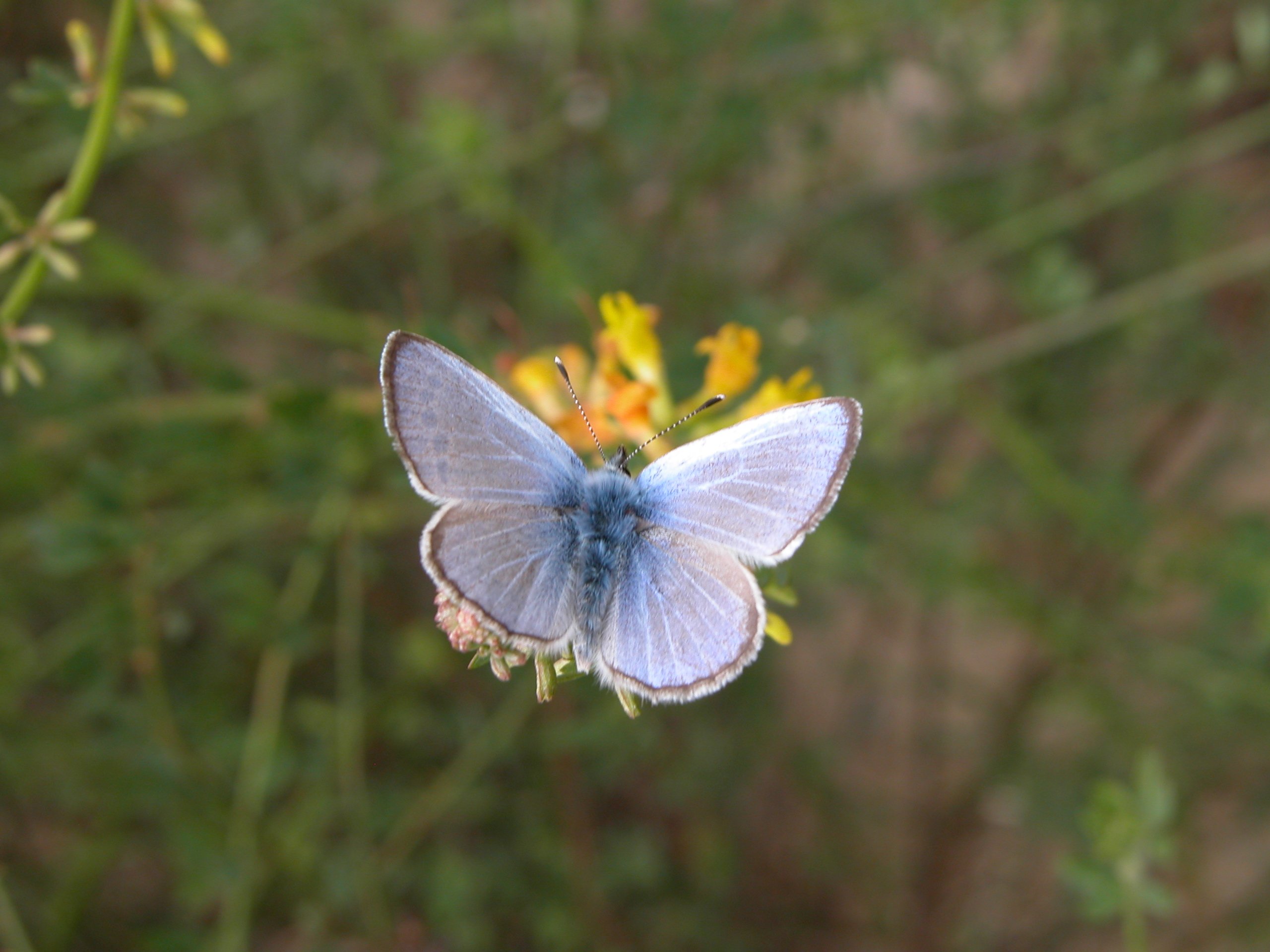
Palos Verdes Blue
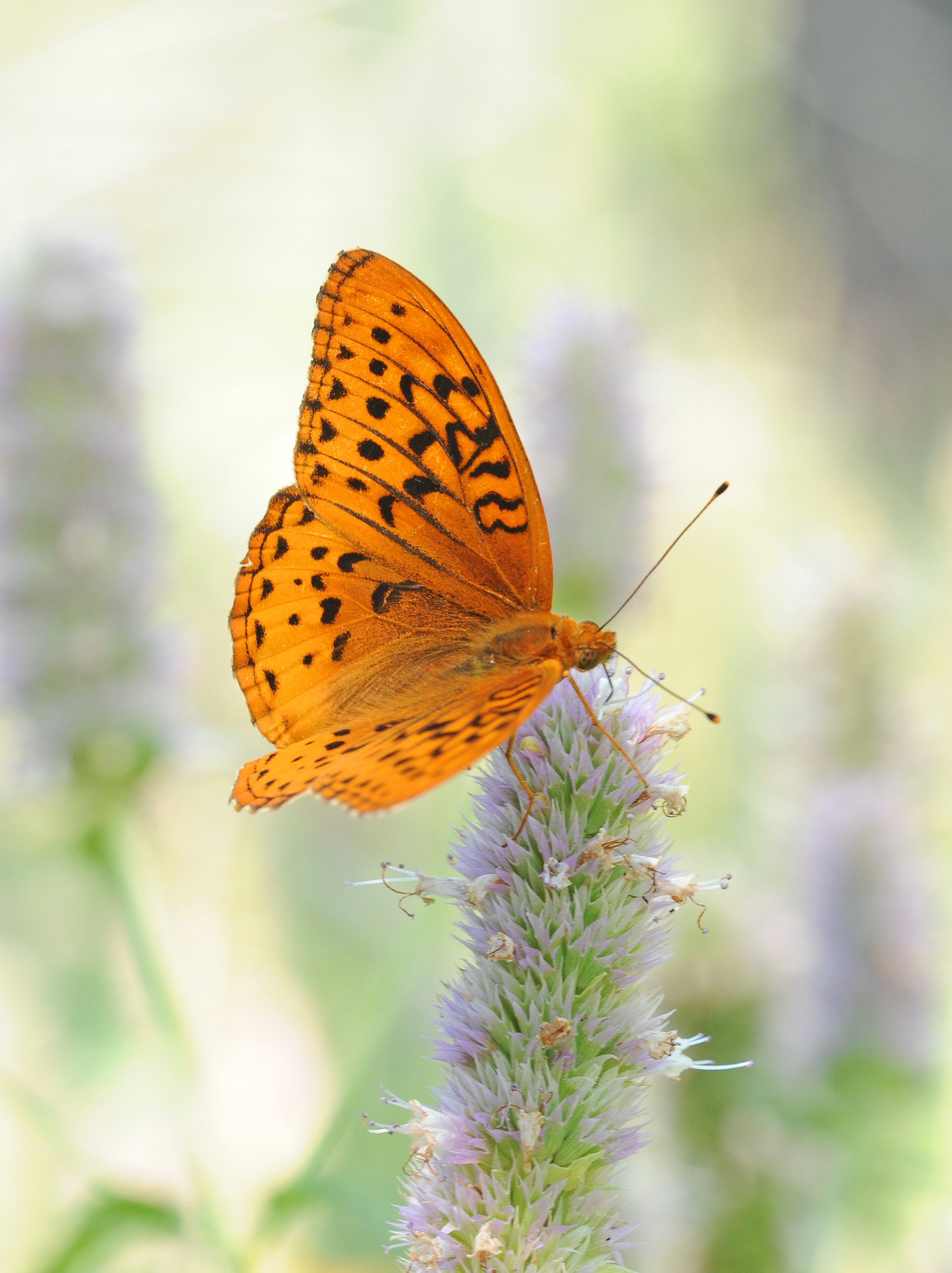
Great Spangled Fritillary
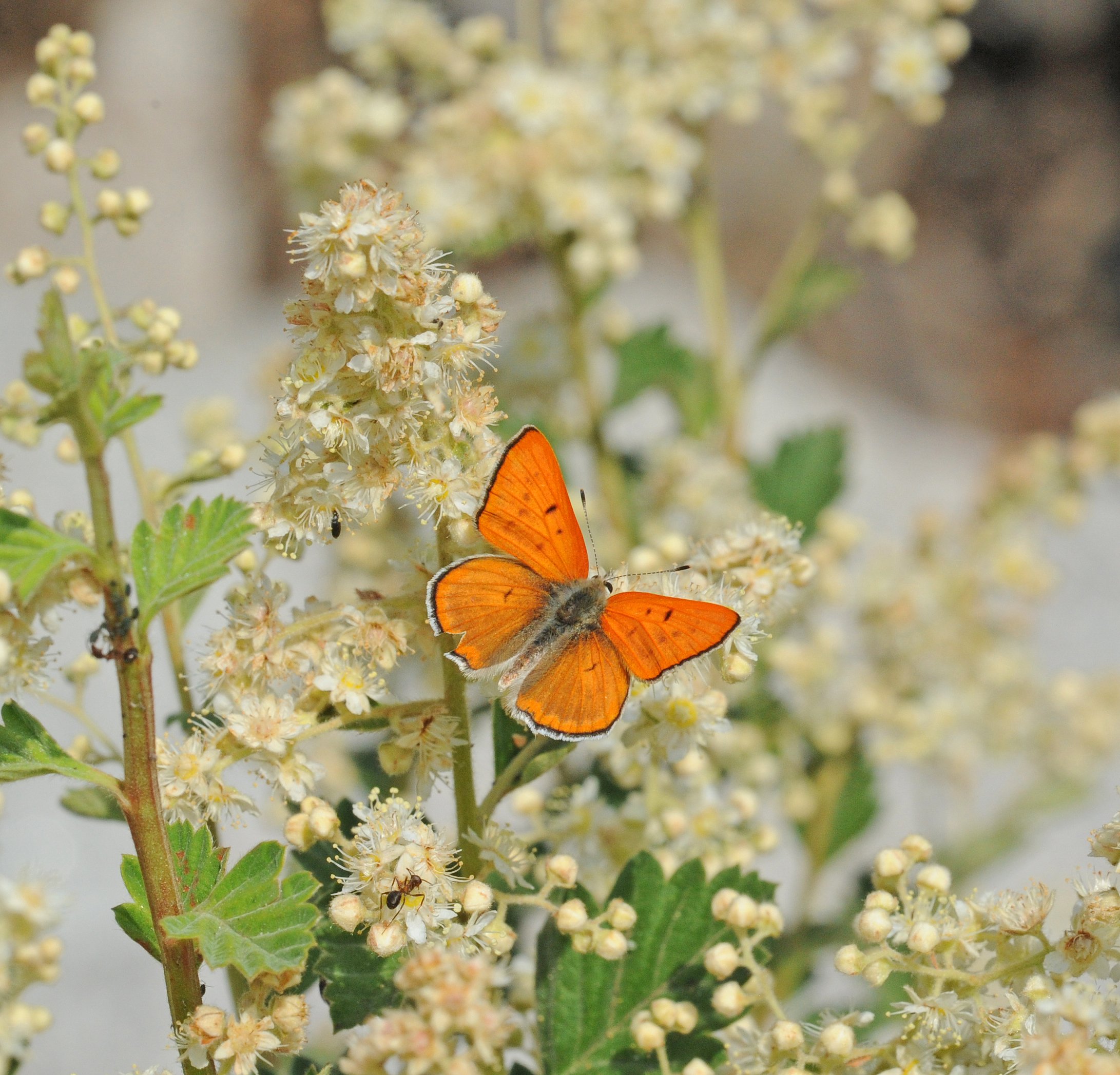
Ruddy Copper
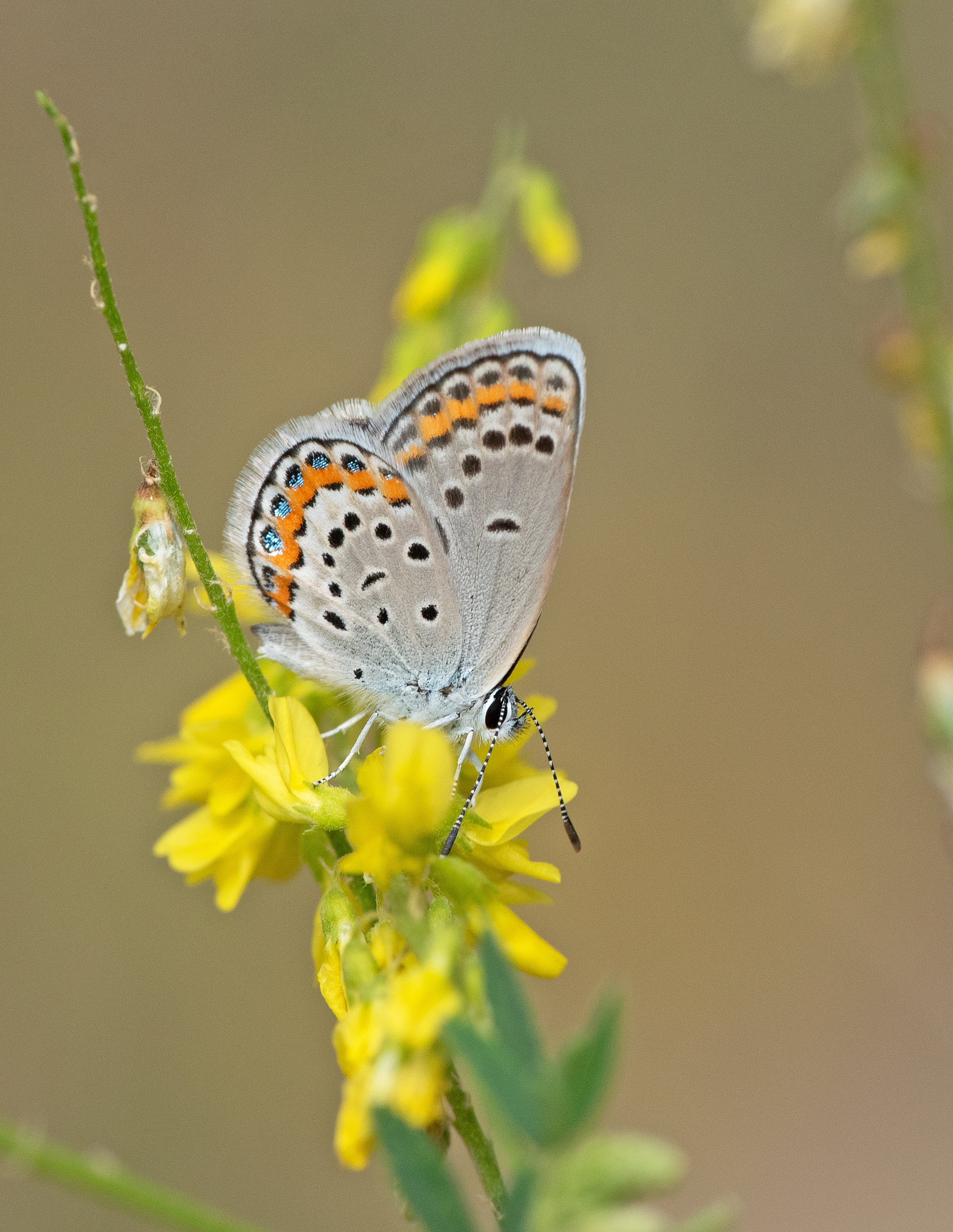
Melissa Blue
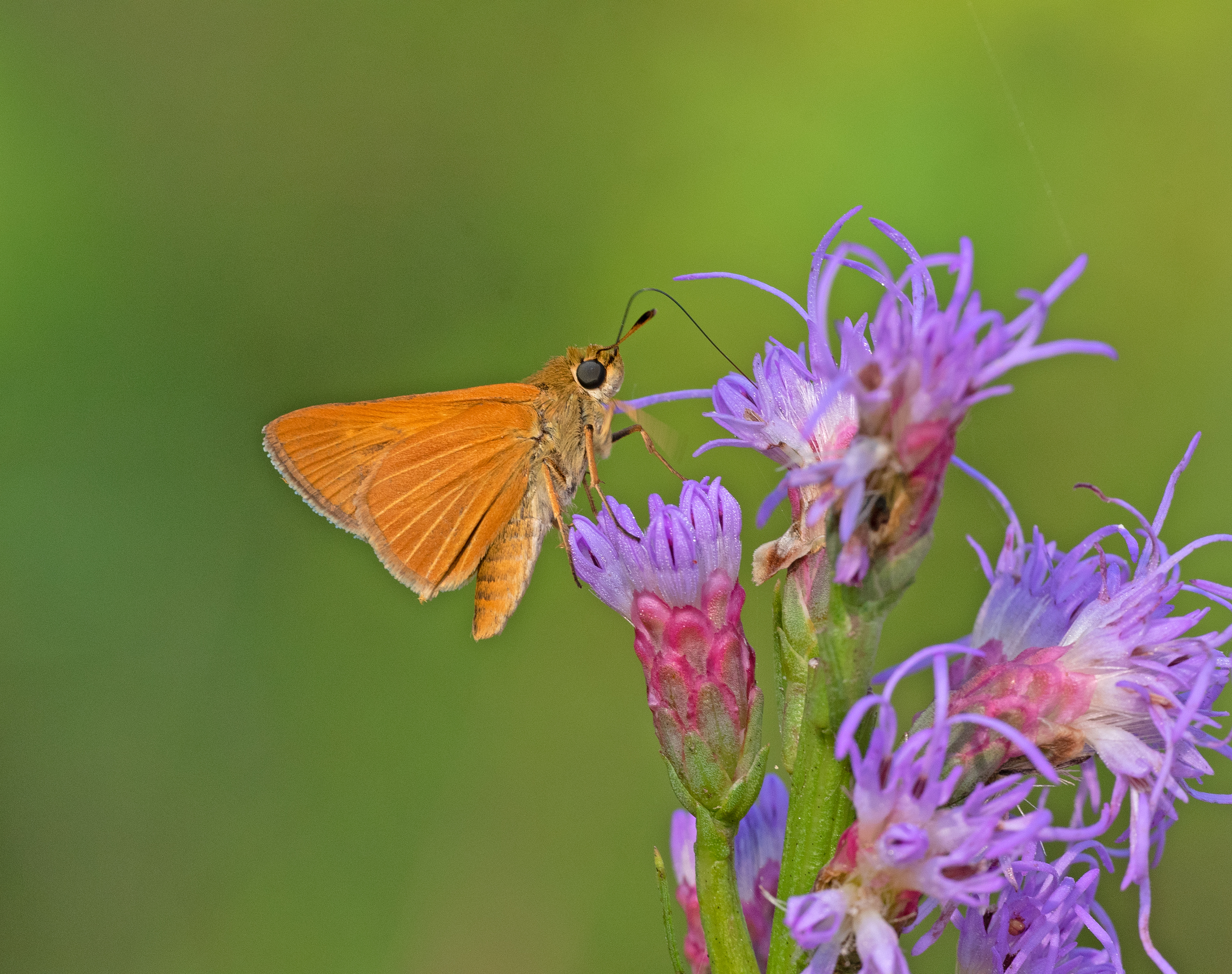
Berry's Skipper
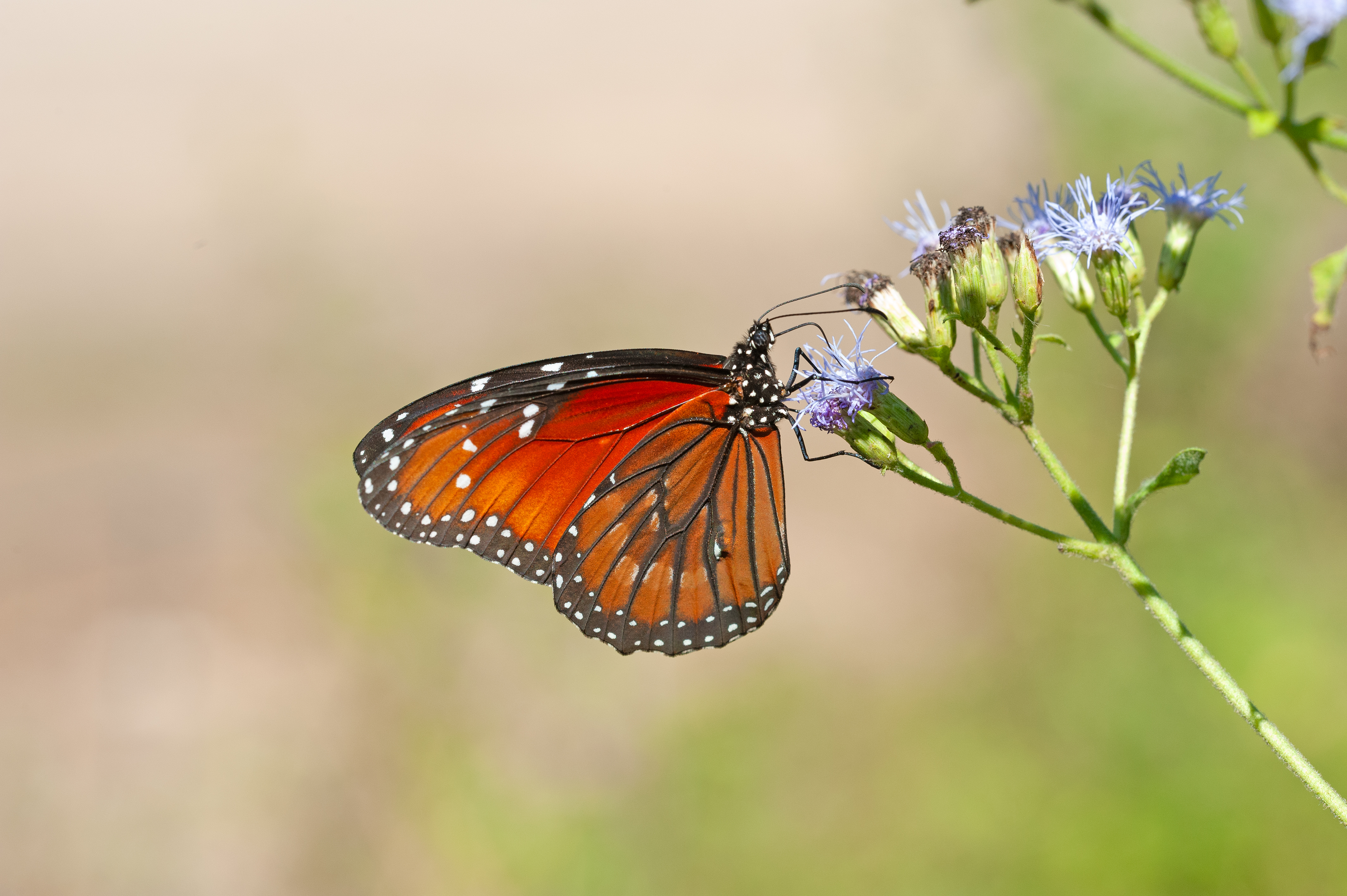
Soldier
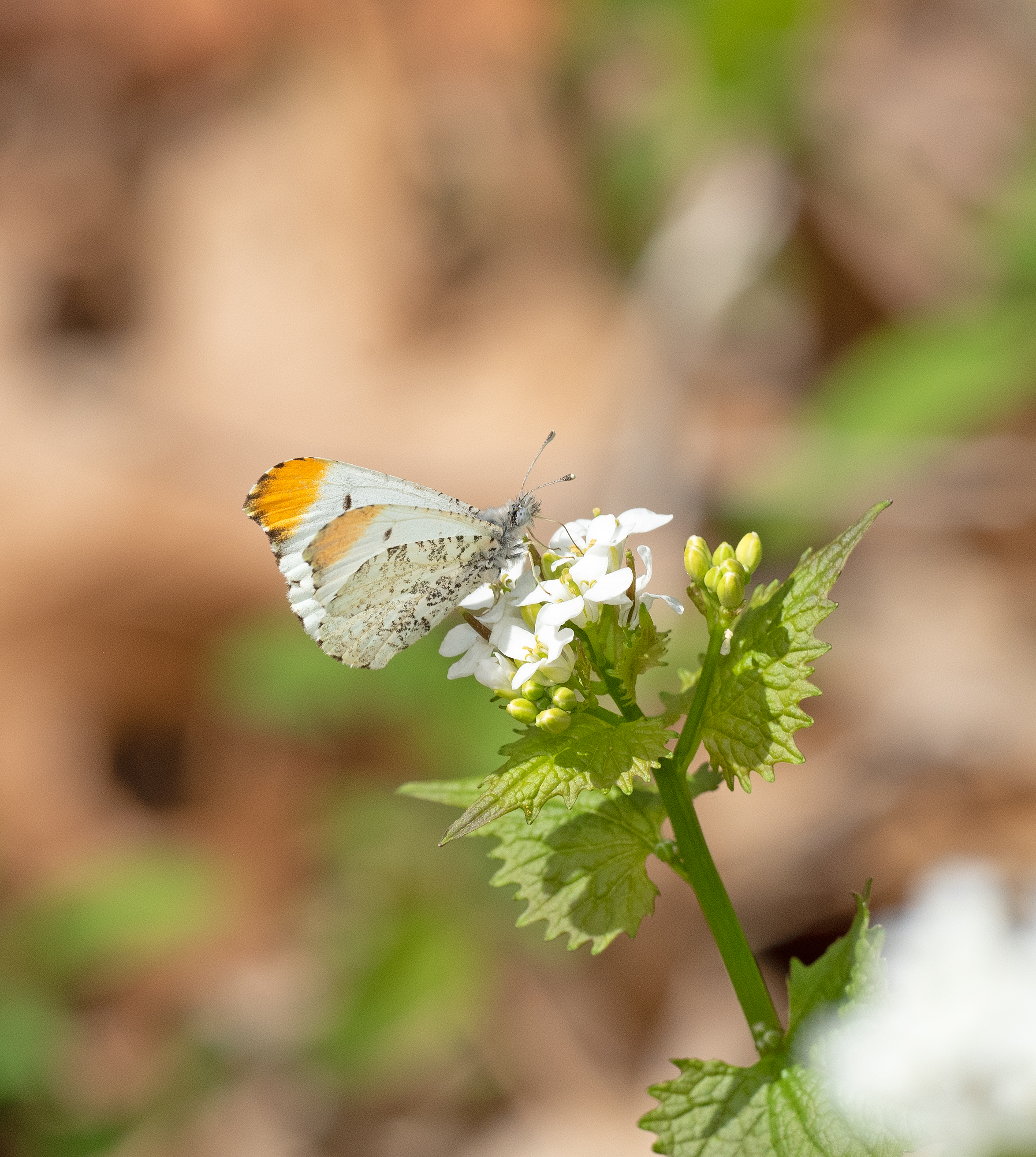
Falcate Orangetip
Butterfly

The Falcate Orangetip occurs in the eastern US, and in Texas and Oklahoma. It has declined by almost 70% from 2000 to 2020. 

Credit: Jeff Glassberg


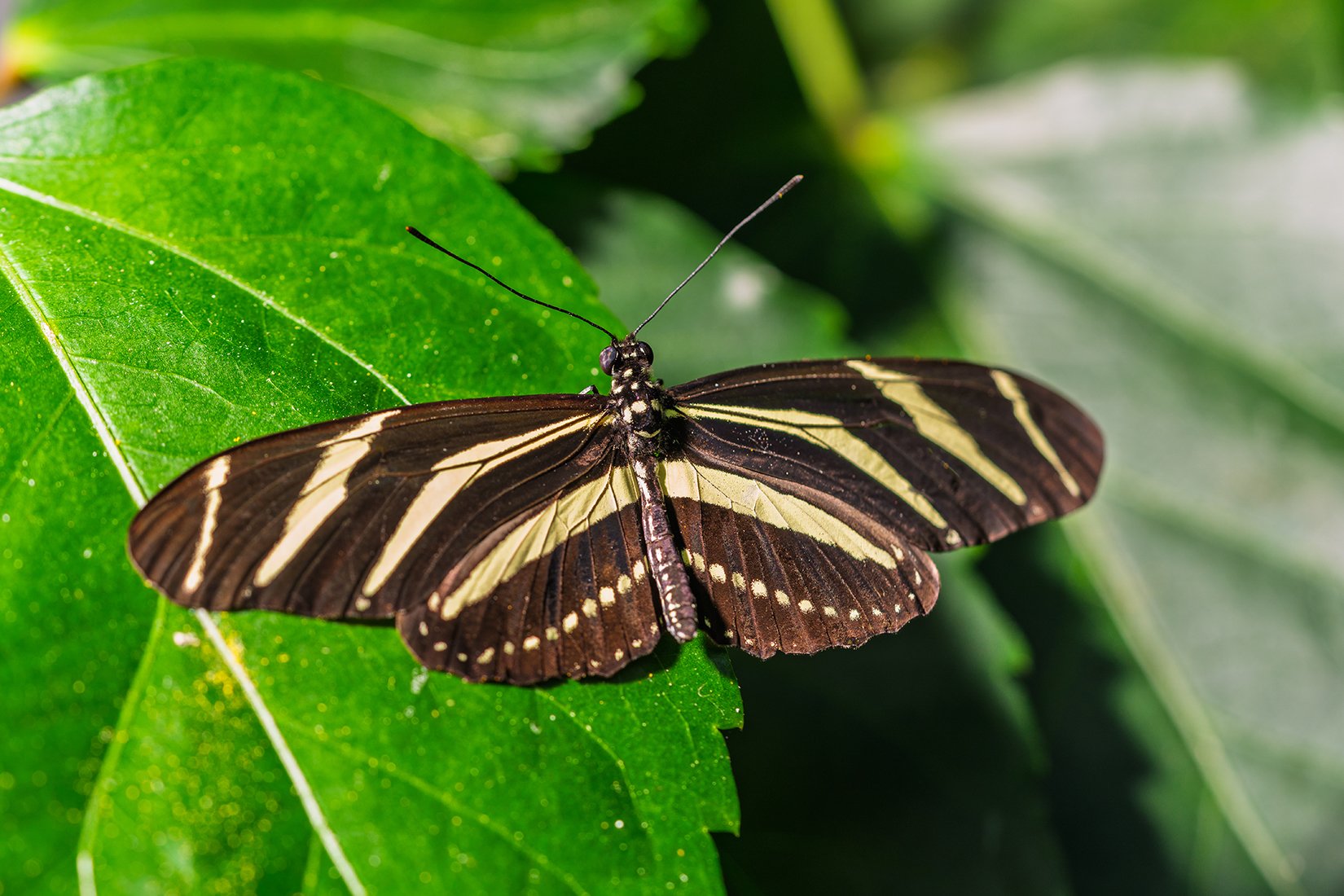
The Zebra Heliconian is found in the southeastern US, although it occasionally strays north. For 2000 to 2020, the Zebra Heliconian nearly doubled in abundance in the continental US.

Credit: FinnGomez, Michigan State University


The Palos Verdes Blue is a subspecies of the Silvery Blue butterfly, which declined by 63% between 2000 and 2020 in the continental US. The Silvery Blue is a small butterfly native to western North America, while the Palos Verdes Blue subspecies is found only on the Palos Verdes Peninsula in California.

Credit: Travis Longcore


The Great Spangled Fritillary is a widespread butterfly in the US and can be found in moist meadows and woodland edges. The species has declined by 55% in the last two decades.

Credit: Jeff Glassberg


The Rudy Copper butterfly lives in the mountains in western North America. Since 2000, the Rudy Copper has declined in abundance by more than 86%.

Credit: Jeff Glassberg


The Melissa Blue butterfly occurs in the northern and western US and into Canada. The species has declined by more than 80% between 2000 and 2020.

Credit: Jeff Glassberg


Berry’s Skipper is a rare species found in wet areas from North Carolina to Florida. It has declined by almost 80% since 2000. 

Credit: Jeff Glassberg


The Solider butterfly has a vast range across North America, the Caribbean, and South America. It flies slowly and is easy to catch. Solider butterflies have declined by 91% in the continental US over the last two decades. 

Credit: Jeff Glassberg


The Falcate Orangetip occurs in the eastern US, and in Texas and Oklahoma. It has declined by almost 70% from 2000 to 2020. 

Credit: Jeff Glassberg


The Zebra Heliconian is found in the southeastern US, although it occasionally strays north. For 2000 to 2020, the Zebra Heliconian nearly doubled in abundance in the continental US.

Credit: FinnGomez, Michigan State University


01 / 08

“This is the definitive study of butterflies in the U.S.,” said the study’s lead author, Collin Edwards, previously a postdoctoral research associate at Washington State University, Vancouver who now works at the Washington Department of Fish and Wildlife. “For those who were not already aware of insect declines, this should be a wake-up call. We urgently need both local- and national-scale conservation efforts to support butterflies and other insects. We have never had as clear and compelling a picture of butterfly declines as we do now.”

The results reveal that 13 times as many species declined as increased — with 107 species losing more than half their populations. 

Zipkin and Haddad say butterflies are more than fluttering symbols of freedom and beauty. They play important roles in cycling nutrients and are a significant food source for other organisms such as birds. Over the last 50 years, North America has lost nearly 3 billion birds, a decline that nearly matches that of the butterflies. 

Butterflies are important and often overlooked pollinators. People tend to think of bees first, but butterflies (and flies) are responsible for $120 million of cotton production in Texas, for example.

Zipkin said she sees this paper as an important heads-up to the country’s policymakers. “People depend on plants, microbes and animals for the air we breathe, the water we drink and the food we eat. Yet, we are losing species at rates that rival the major mass extinction events on our planet,” Zipkin said. “The U.S. plays an important role in setting policies and creating laws that conserve and protect biodiversity from local to global scales. Our leaders and the federal government, in particular, are responsible for making sure future generations have the necessary resources to thrive.”


In partnership with the federal government, Spartan researchers drive lifesaving breakthroughs and address society’s most pressing challenges.

Learn More


Last year, Haddad was part of a study published by the journal PLOS ONE that pinpointed the danger of insecticides, which rose above other threats such as habitat loss and climate change in reducing butterfly abundance and diversity. He points out that saving butterflies isn’t a hopeless problem, just one that requires will.

A lot of insecticide use, he said, lacks strategy and results in overuse. Some 20% of cropland suffers from poor yields. Creating policies that return under-producing land to nature could help the butterflies rally.

“Prophylactic and near-universal application of insecticides harms butterflies and other beneficial insects, with no proven benefit to crop yield,” Haddad said. “What is applied as ‘insurance’ is extracting a great debt to agroecosystems. The good news is that the widespread application of insecticides can be reversed, and butterflies and other pollinators will recover.”

In addition to Zipkin, Haddad, and Edwards, “Rapid butterfly declines across the United States during the 21st century” was written by Erica Henry (Washington State University-Vancouver), Matthew Forister (University of Nevada-Reno), Kevin Burls (Xerces Society for Invertebrate Conservation), Steven Campbell (Albany Pine Bush Preserve Commission), Elizabeth Crone (University of California-Davis), Jay Diffendorfer (U.S. Geological Survey Geosciences and Environmental Change Sciences Center), Margaret Douglas (Dickinson College), Ryan Drum (U.S. Fish and Wildlife Service), Candace Fallon (Xerces Society for Invertebrate Conservation), Jeffrey Glassberg (North American Butterfly Association and Rice University), Eliza Grames (Binghamton University), Rich Hatfield (Xerces Society for Invertebrate Conservation), Shiran Hershcovich (Butterfly Pavilion), Scott Hoffman-Black (Xerces Society for Invertebrate Conservation), Elise Larsen (Georgetown University), Wendy Leuenberger (Michigan State University), Mary Linders (Washington Department of Fish and Wildlife), Travis Longcore (University of California-Los Angeles), Daniel Marschalek (University of Central Missouri), James Michielini (University of California-Davis), Naresh Neupane (Georgetown University), Leslie Ries (Georgetown University), Arthur Shapiro (University of California-Davis), Ann Swenger (Independent Researcher), Scott Swengel (Independent Researcher), Douglas Taron (Chicago Academy of Science, and Peggy Notebaert Nature Museum), Braeden Van Deynze (Washington Department of Fish and Wildlife), Jerome Wiedmann (Ohio Lepidopterists), Wayne Thogmartin (U.S. Geological Survey Upper Midwest Environmental Sciences Center), and Cheryl Schultz (Washington State University-Vancouver).

Zipkin and Haddad are members of MSU’s Ecology, Evolution and Behavior Program, of which Zipkin is director. 


For generations, Spartans have been changing the world through research. Federal funding helps power many of the discoveries that improve lives and keep America at the forefront of innovation and competitiveness. From lifesaving cancer treatments to solutions that advance technology, agriculture, energy and more, MSU researchers work every day to shape a better future for the people of Michigan and beyond. Learn more about MSU’s research impact powered by partnership with the federal government. 

MEDIA CONTACTS

Emilie Lorditch
Biodiversity and WildlifeClimate and EnvironmentNatural Resources and ConservationMSU ResearchMSU Leadership and Impact

Latest News

MSUToday Weekly Update

The MSUToday Weekly Update email showcases how Spartans are making a difference through academic excellence, research impact and community outreach. Get inspired by these stories of innovation, collaboration and determination. Plus, enjoy photos and videos of campus and more MSU content to help keep you connected to the Spartan community.

Sign UpUpdate My Information

Connect With Us

Visit our Facebook pageVisit our page on XVisit our Instagram pageVisit our LinkedIn pageVisit our YouTube pageVisit our TikTok page

Health and Safety

  • MSU Police and Public Safety
  • Olin Health Center
  • Counseling & Psychiatric Services (CAPS)
  • University Health and Wellbeing
  • MSU Health Care
  • Civil Rights and Title IX
  • Our Commitment
  • Center for Survivors
  • Security & Fire Safety Report
  • University Policy on Relationship Violence and Sexual Misconduct
  • Notice of Non-Discrimination, Anti-Harassment and Non-Retaliation
  • Health Care Non-Discrimination Notice

Support Services

  • Disability Resources
  • Supportive Services
  • Learning Resources

Working at MSU

  • Human Resources
  • EBS Login
  • Job Postings
  • Employee Assistance Program

Reports

  • CARES Act Funding
  • Student Achievement and Outcomes

Contact us

517-355-1855

Address

Michigan State University 426 Auditorium Road East Lansing, MI 48824

Follow Us

  • Visit our Facebook page
  • Visit our page on X
  • Visit our Instagram page
  • Visit our TikTok page
  • Visit our LinkedIn page
  • Visit our YouTube page

If you're having accessibility issues, please let us know.

Know More: Campus Safety Information and ResourcesTransparency Reporting: Budget & Salary/Compensation
  • Contact Information|
  • Site Map|
  • Privacy Statement|
  • Site Accessibility|
  • Call MSU: (517) 355-1855|
  • Visit: msu.edu|
  • Notice of Nondiscrimination|

SPARTANS WILL|© Michigan State University|