On Sept. 20, 2024, Michigan State University hosted its inaugural Disability in Higher Education Summit at the Kellogg Hotel and Conference Center in East Lansing. Sponsored by the Office for Civil Rights and Title IX Education and Compliance’s Office of the ADA Coordinator; the University Health and Wellbeing’s Resource Center for Persons with Disabilities, or RCPD; MSU Libraries; and the Office of Employee Relations, the summit served as a cornerstone event that highlighted MSU’s commitment to accessibility, equity and inclusion across its campus and community.
“Leadership in accessibility means going beyond addressing barriers to developing a culture where inclusion is weaved into every decision we make universally,” said Alexis Travis, assistant provost and executive director of University Health and Wellbeing. “At MSU, we are dedicated to empowering all members of our community to thrive by embracing diversity, listening to lived experiences and creating environments where everyone feels valued and supported.”
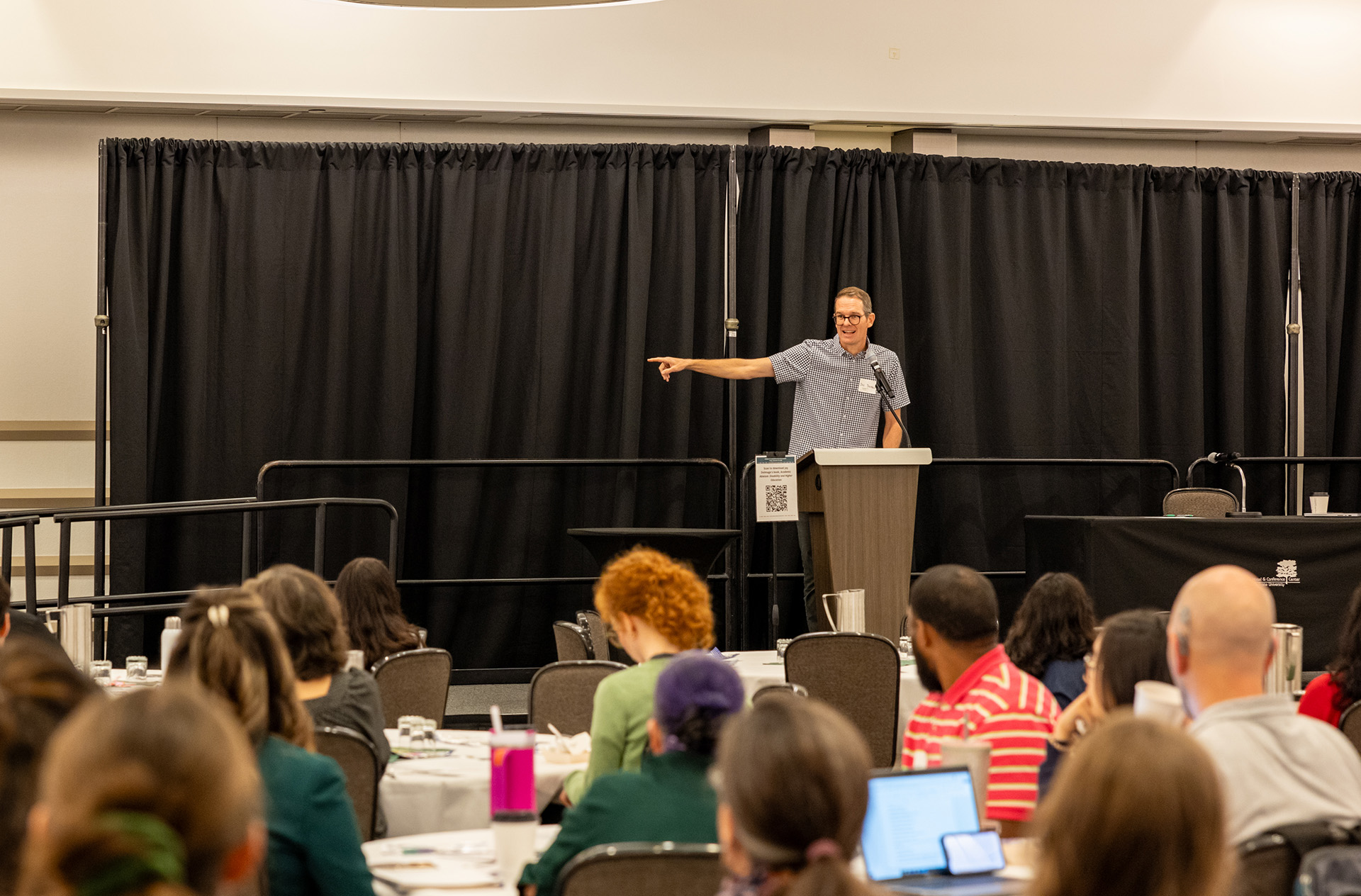
The summit featured a keynote address by Jay Dolmage, founding editor of the Canadian Journal of Disability Studies and a leading advocate for disability rights. Dolmage challenged attendees to rethink accessibility in higher education, emphasizing that “disability is a culture, not a separate group.”
His address, “Developing a Culture of Accommodation in Higher Education,” underscored the importance of adopting universal design principles, which offer diverse learners multiple ways to engage, process and express information.
“We need to move beyond temporary changes and plan for systemic accommodation,” Dolmage said, encouraging faculty to create inclusive learning environments by integrating tools like captions, transcripts and flexible course participation options.
Insights from students: Centering disability as culture
A student panel moderated by RCPD Access Specialists Colleen Floyd and Jessica Lutz brought firsthand experiences to the forefront of the conversation. Panelists, including Rebekah Batu, Mudita Jagota and Lex Stuart stressed the need to shift from a reactive to a proactive approach to accessibility.
“Accessibility is a culture,” Stuart explained. “It’s about creating a campus where every student can fully participate without constantly fighting for support.”
Highlighting the intersection of disability and identity, Jagota, a doctoral student, remarked, “Yes, I am disabled, I am disabled and happy, disabled and proud. Using ‘and’ reflects the complexity of my identity and shows that my disability is not a limitation.”
The panelists also shared challenges, such as facing skepticism when requesting accommodations or navigating spaces unprepared for service animals.
Their stories emphasized the need for trust and respect from faculty and staff. “Simple actions, like taking time to discuss accommodations with a student, can make a profound difference,” Batu noted, adding, “It’s about building trust, empathy and making students feel believed.”
Across campus, support staff like Lauren Noel, the communications manager in the Department of Forestry, work to implement accessibility practices in their units. Noel called the student panel a highlight, stating, “Their message about trust and respect is one that we need to hear and act on.”
Beyond compliance: Building a culture of inclusion
Tracy Leahy, ADA coordinator, and Shelby Gombosi, associate director of RCPD — both key presenters at the summit — reinforced the necessity to integrate accessibility into planning processes.
“Compliance is a checkbox; inclusion is a value and culture,” Leahy explained, tying the disability rights movement to historical injustices like forced sterilization in the U.S.
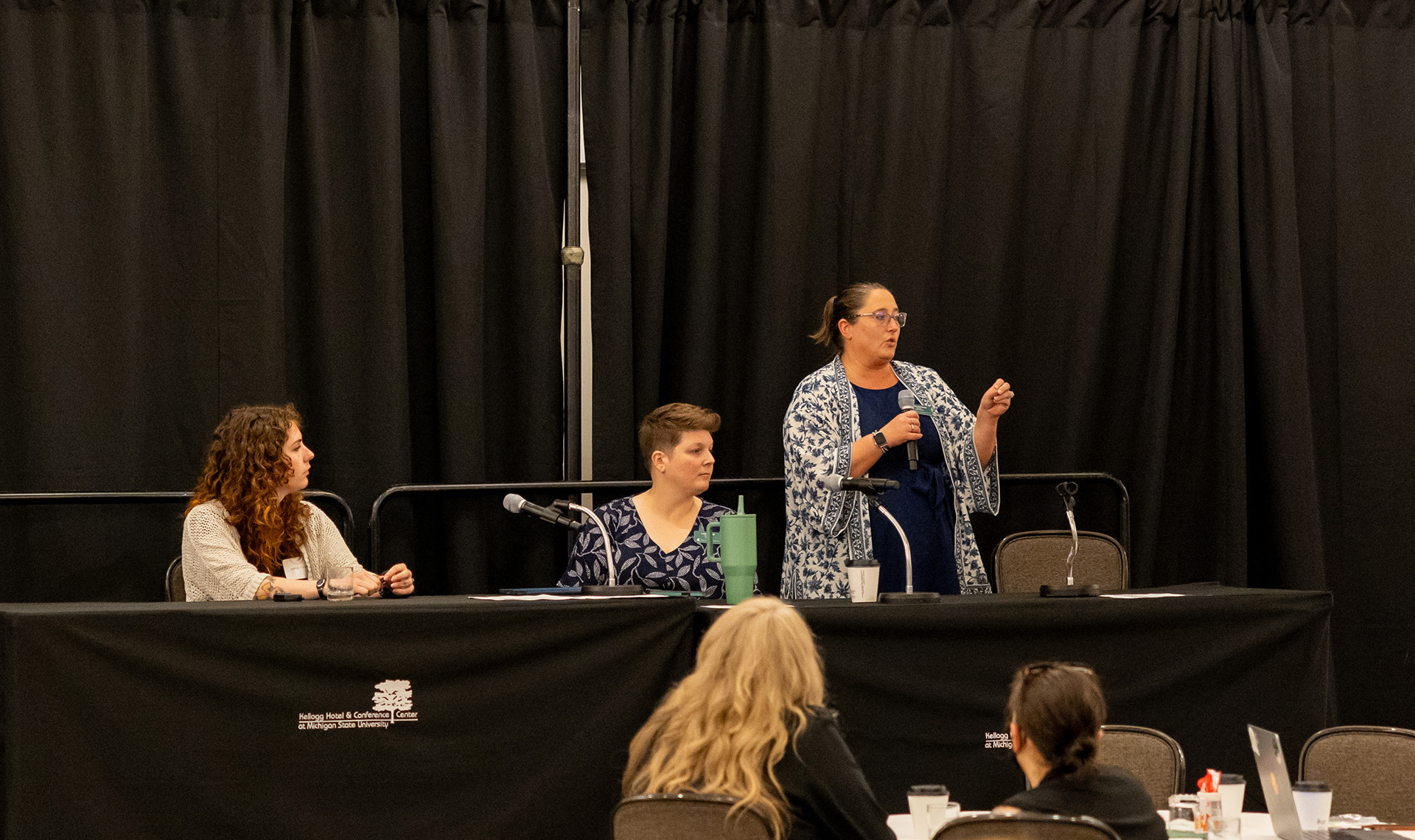
Gombosi introduced the social model of disability, urging attendees to address systemic barriers rather than placing the burden on individuals. “Disability is diversity,” she said, advocating for inclusive design across physical and digital spaces.
Noel echoed these sentiments, noting the summit’s emphasis on proactive accessibility. “Every project should include accessibility assessments from the start, not as an afterthought.”
The summit agenda featured three breakout sessions on topics including neurodiversity and unapparent disabilities; fostering disability identity in higher education; and exploring campus career accessibility and supporting employees with disabilities.
A first step, but not the last
Attendees left with actionable insights and a renewed commitment to fostering an inclusive campus. Jagota said, “This summit is a great first step — but it’s not the only one.”
By engaging policymakers, educators and students, MSU’s Disability in Higher Education Summit laid the groundwork for a future where accessibility and inclusion are integral to the university’s culture. The summit, which included ideas ranging from rethinking accommodations to embedding universal design principles in every syllabus, underscored the need for systemic change to create a truly inclusive academic environment.
The summit coincided with preparations for MSU’s second annual Disability Pride Month, which is held in October and features events celebrating the contributions and perspectives of individuals with disabilities.

