Three individuals from the College of Education write about the importance of embracing different experiences of African youth.
Sandra is a doctoral student in the college’s Curriculum Instruction and Teacher Education program. She is of African descent, specifically Ghanaian. Her experience extends to working with various Black African immigrant youths from different African countries, including Ghana, Nigeria, Central Africa and the Congo.
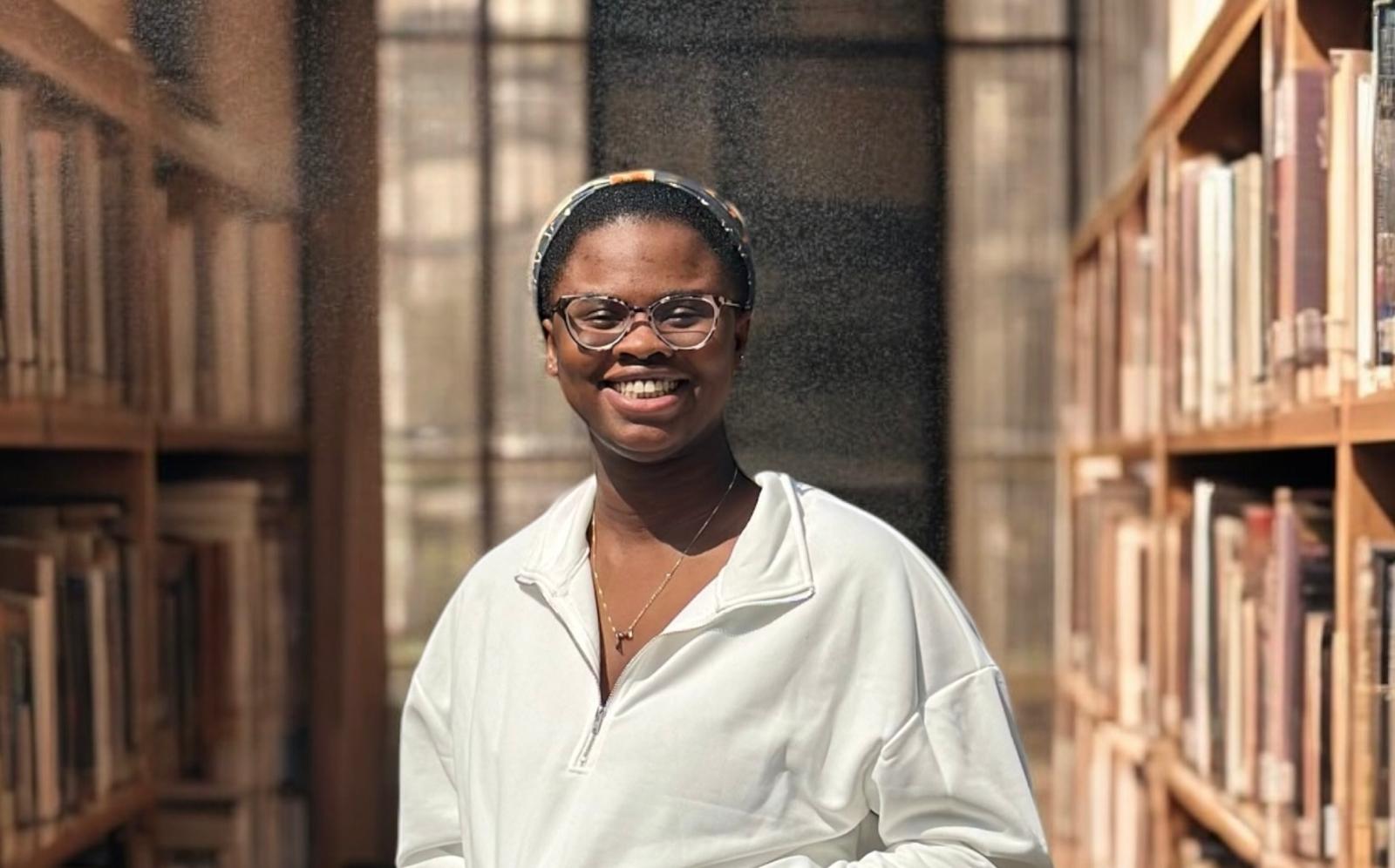
Dominic is a CITE doctoral student. He identifies as Ghanaian, African and Black. He taught visual arts for nine years in Ghana, Swaziland, and currently teaches introduction of arts in the classroom in the US. Dominic's research is deeply intertwined with cultural heritage and personal experiences, actively informing his perspective on educational practices and curriculum development. His commitment to decolonizing education emerges from critically examining the Eurocentric paradigms that have long dominated the field. He is dedicated to advocating for a curriculum that embraces a diversity of cultural narratives.
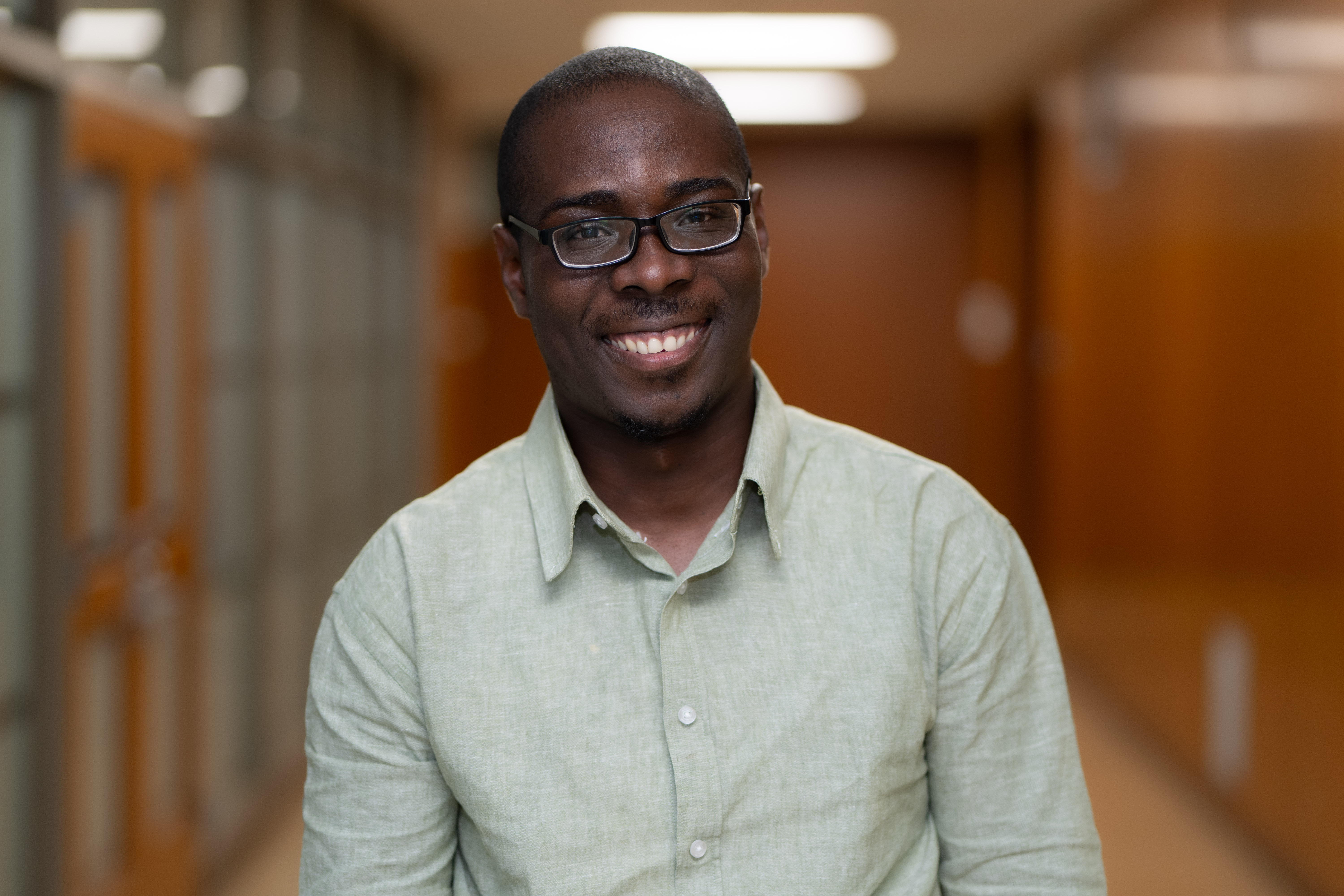
Joel Berends is a recent graduate from the CITE doctoral program. He is currently an assistant professor of teacher education at MSU. He identifies as white, and is of Dutch descent. In addition to coordinating curriculum, he taught secondary English Language Arts and Social Studies for 11 years across schools in Indonesia and the U.S.

African immigrant youth are among the fastest growing immigrant communities in the U.S. Our work examines possibilities for how and why educators and researchers can embrace varied diaspora digital literacies and educational experiences of African immigrant youth.
We consider how youth:
- respond to deficit narratives of their lived schooling experiences
- navigate literacy learning across contexts of families and elders
- demonstrate social and civic literacies that extend their identities
- and affirm cultural and embodied knowledge, language and practices.
Together with Vaughn W. M. Watson, an associate professor of Secondary English Education, Sandra, Dominic (Nick), and Joel built upon previous work to develop and design curriculum and lessons that pointedly build with and make visible the varied lived experiences and interests of African immigrant youth and their cultures. This research was recently published in the Journal of Adolescent & Adult Literacy.
Stories that shape our teaching and learning
Reflecting on his past, Donell, an African immigrant youth, shared how the song, “Story of My Life” by a pop band from the U.K. and Ireland resonated deeply with him. He explained how the song reminded him of his life before moving from Uganda to the U.S., noting how the lyrics gave him the strength to embrace the unknown and continue pursuing his dreams. He shared a YouTube link to music titled “Nyamunene Musica” and wrote: “People who sang this song are from my village, I like the way [they] are dressing up because it describes my culture.”
This example illustrates that our role as educators goes beyond teaching content. We must listen to and engage with the diverse stories, backgrounds and identities youth bring to the classroom. In this way, we can affirm and acknowledge learners’ unique identities. It is also important that we leverage our youths’ diverse language practices, cultures, passions and interests to create engaging and learning experiences that align with their backgrounds.
Another important insight from our work is the powerful role that culture, family and community play in shaping how youth engage with the curriculum. Integrating elements of youth’s background into educational practices can create more inclusive environments where youth feel seen and valued.
Our advice to educators and researchers: actively seek out and incorporate the cultural narratives and lived experiences of youth and their varied identities into teaching and research practices. Within our research, we specifically focused on African immigrant youth, encouraging them to share their unique identities, lived experiences and a wealth of knowledge from their respective cultures. We also encourage such sharing for all youth because doing so will enrich the learning environment and foster a sense of belonging and pride, encouraging youth to see their varied identities and heritage as a strength.
Our qualitative research affirms these teaching practices, such as through the words of one student: “I would love for teachers to teach in a way that relates to my culture.”
We encourage all youth, particularly those from diverse backgrounds and cultures, to share your stories and experiences openly. Your voices are vital, and by advocating for your cultural identities, you can contribute to shaping an educational system that is more responsive to your needs and aspirations.

