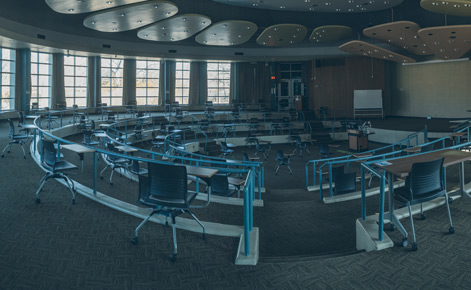
In 2020, the world changed, and education along with it, in reaction to the COVID-19 pandemic. Researchers have examined how the pandemic — and this so-called post-pandemic era — generally impacted schooling and education.
MSU researchers say that these previous findings often paint a bleak picture, focusing on “damage-centered approaches” to what was lost in the immediate months and years following the pivot to online learning.
However, they say an important element is still understudied: What did students gain during the pandemic? What did they wish to gain? And what could those perspectives tell educators, administrators, policymakers and researchers about the future of schooling?
Community-based research
In 2019, MSU scholar Joanne E. Marciano approached a subsidized housing community in Michigan.
“I wanted to build from the participatory approaches to teaching and learning that I engaged as a former public high school teacher in New York City,” said Marciano. “In particular, I wanted to learn alongside high school students experiencing limited access to economic opportunity. I hoped to understand and build with the students’ experiences and identities as strengths, and to amplify those strengths in ways that contribute to more equitable schooling.”
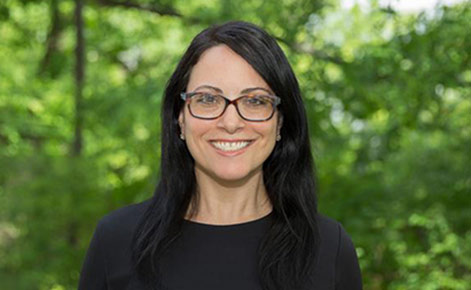
That was the start of The Youth Voices Project for middle and high school students. It officially started in Fall 2019. Lee Melvin Peralta and Ji Soo Lee, both then-students in the College of Education’s Curriculum, Instruction and Teacher Education program and undergraduate student Hannah Rosemurgy, joined the project soon after. In March 2020 came pandemic-related school closures and transitions.
Through it all, Marciano — now an associate professor in the college’s Department of Teacher Education — and her fellow researchers, including former CITE students Alecia Beymer and Lauren Elizabeth Reine Johnson (who joined the project in Fall 2020), stayed connected with students.
“We listened to, learned with and supported the youth via Zoom as they navigated various schooling experiences during the pandemic,” wrote Marciano and colleagues. Findings from their 16 months of conversations (March 2020-June 2021) were published in Harvard Educational Review‘s fall 2024 issue.
“These findings provide insights about what youth believe school, teaching and learning can and should be in a post-pandemic future,” Marciano and colleagues say.
From their perspective
As the students — grades 8-12 and into the first year of college during data collection — navigated schooling throughout social distancing necessitated by the COVID-19 pandemic, they had clear ideas about what they wanted from school, such as their desire for:
- Student-to-teacher connections – In the context of “in-person” schooling, students found opportunities for informal conversations that helped students and teachers get to know and understand one another. In online schooling, students found this harder to do. This was particularly important in the eyes of one student who felt that teachers who “knew” them better would be able to show more grace, compassion and flexibility for extenuating circumstances.
- Reimagined pacing – As the months continued after March 2020, the students grew increasingly concerned about the volume of work, which created or compounded stress and anxiety levels. In the words of one student, they felt: “Woah, okay, slow down” regarding the pace. In the words of another: “My brain hurts.” Though the students understood schooling always entails “a lot” of information, they wished their teachers would understand relaxing, or at least adjusting the pacing and frequency of work, was important, too.
- Clear expectations – In addition to concerns about pacing, students often were unsure about teachers’ expectations. Should students turn the camera on or off? When was homework due? How will teachers grade assignments? In the case of one student who received a low grade, they found the online environment challenging to talk about it with a teacher, feeling frustrated about being “not good at typing emails” to communicate.
- Safety-first mentality – The students felt they would give up the opportunity for in-school learning and social opportunities if it meant prioritizing their health. Though they generally agreed their grades would be “way better” if they were in person, every student in the study chose to continue attending classes online after the school district offered the option to attend school in person in the spring of 2021.
- Examination of current events – The world was changing fast around the students in ways related to the pandemic and not, and the students openly wondered why what was happening outside of school wasn’t mentioned during class time. In particular, the students wondered why racism, violence or other instances of trauma weren’t discussed. In the words of one student: “If [the teachers] talked about [current events], then it might have, you know, help[sic] relieve some stress in someone’s life.”
Adding student voices
“Even though students are directly affected by the decisions adults make about school policies and practices, their perspectives are often not included in adults’ decision-making processes,” said Marciano.
The researchers say incorporating student perspectives — like the ones uncovered in this study — complements and extends work that focuses more on adult perspectives.
“This study clearly demonstrates what students wanted from their schooling experiences during the COVID-19 pandemic, providing specific examples for policymakers, researchers and educators of the kinds of humanizing school contexts students want and need now and in the future,” Marciano added.
This story originally appeared on the College of Education website.

