Newly published research from Michigan State University demonstrates that participating in community gardening bolsters mental and social well-being through caring for plants, connecting to nature and feeling a sense of accomplishment.
Findings were published in the journal People and Nature.

The project was led by Katherine Alaimo, a nutritional epidemiologist and associate professor in the Department of Food Science and Human Nutrition. Alaimo, whose work is also supported by MSU AgBioResearch, is an expert in community-based participatory research on topics such as food justice, community food security, urban agriculture and gardening, and school nutrition and health.
Alongside Alaimo were colleagues from MSU, Wayne State University and the University of South Carolina. To conduct the study, they partnered with Denver Urban Gardens in Denver, Colorado, one of the largest independent networks of food-producing community gardens in the U.S.
In recent years, a multitude of research has shown mounting support for gardening and other nature-based activities as viable tools to boost mental and physical health. From finding purpose and joy to feelings of accomplishment, Alaimo said there are several benefits.
Her previous research uncovered that gardening increases consumption of vegetables and fiber, encourages physical activity, and lowers perceived stress and anxiety. Community gardening builds social support networks and improves physical functioning.
“Community gardening offers many positive things to participants such as encouraging healthier behaviors, improving mental and physical health, and increasing access to green spaces,” said Linda Appel Lipsius, executive director of Denver Urban Gardens. “Our study aimed to identify key aspects of gardening that are meaningful to people, help them stay involved in gardening, and contribute to their mental and social well-being.”
Alaimo said that as many chronic, noncommunicable diseases continue to rise in prevalence, the healthcare system is becoming increasingly taxed. Researchers aimed to highlight nature-based interventions that positively affect some of the leading causes of these diseases and discover ways to make the interventions accessible to a variety of groups.
“One of the most important aspects of implementing these interventions and ensuring the equity of their impact is engaging diverse populations,” Alaimo said. “This includes low-income families and immigrant communities who may not have easy access to land and other resources. It’s also important to identify how their participation can be sustained over time.”
For this project, researchers conducted qualitative interviews with 34 individuals who were new to community gardening. The participants took part in community gardening for one season.
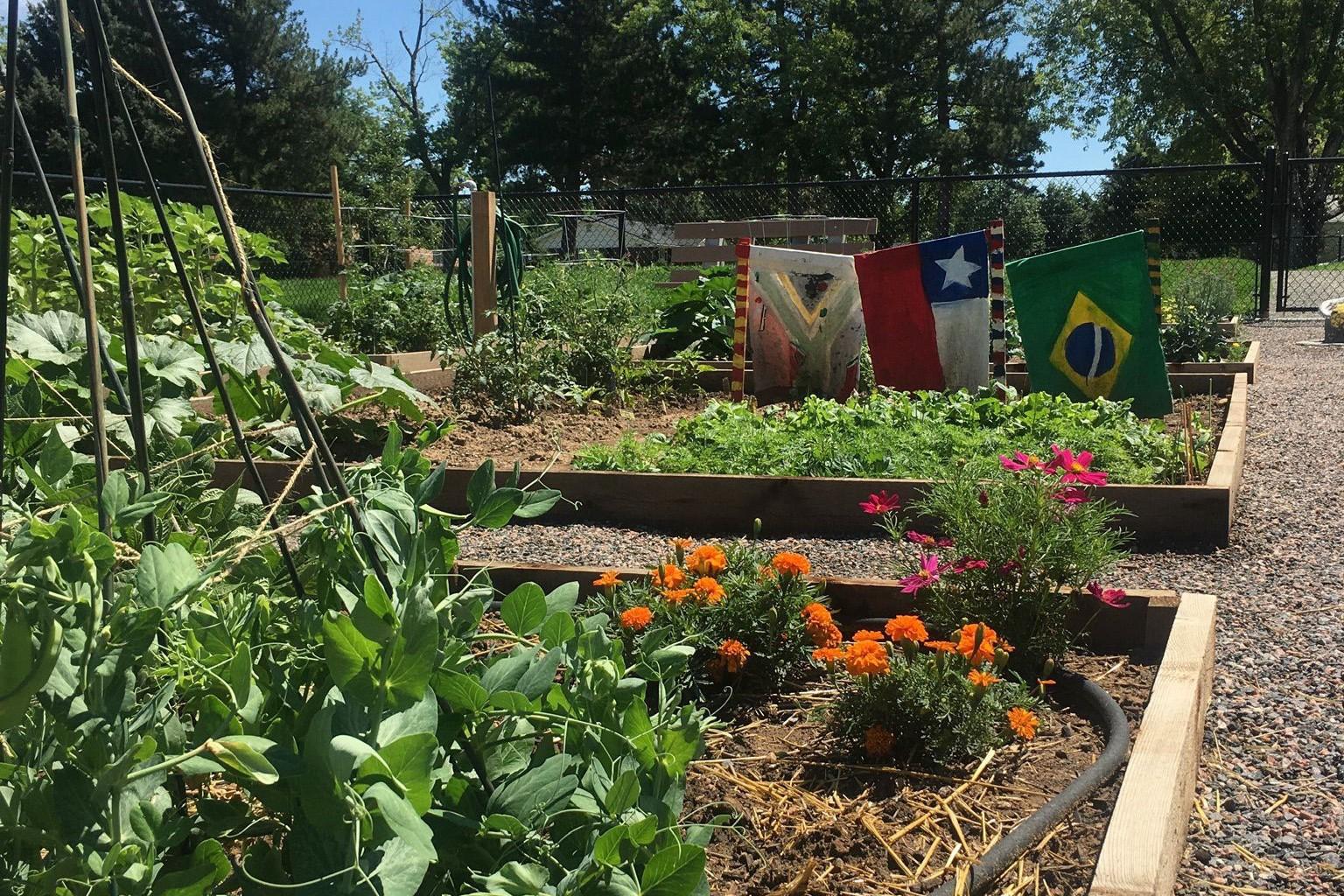
The team explored each participant’s initial motivation to begin gardening and their previous gardening experiences. Alaimo and her team then examined the meaning of gardening to participants, how social support influenced gardening engagement, and how individuals overcame gardening challenges over the course of the season.
The researchers found there was significant fulfillment for participants in growing food and being active in their gardens. The team coined the term “the gardening triad,” which refers to three additional key elements of the gardening experience that kept participants active and had mental and social benefits:
The responsibility and act of caring for their gardens, and forming a nurturing and loving relationship with their plants.Feelings of pride and a sense that they were accomplishing something important.Feeling connected to nature, which included appreciation, fascination and wonder.
“We were surprised to find that the gardening triad was nearly universal among the participants and that love was integrated throughout the gardening experience — love and connection with plants, self and nature,” Alaimo said.
Several of the new gardeners reported that they formed new emotional bonds with fellow participants, and their existing social relationships improved as well.
“We saw that many individuals found joy, purpose and meaning in their work, and their confidence and self-esteem was boosted, which helped them deal with mental health challenges such as depression, anxiety and stress,” said Eva Coringrato, an author on the study who was previously at Wayne State University during the research.
Alaimo believes the results show that gardening should be considered as a viable intervention on a larger scale.
“The act of gardening itself holds many benefits, but when participants gardened with others, whether that was fellow community gardeners or family or friends, those benefits were enhanced even further,” Alaimo said. “Understanding how and why gardening improves health and well-being is important, particularly when designing nature-based health programs. Based on our findings, we believe that gardening should absolutely be explored as an avenue for improving well-being and should be widely supported.”
This story originally appeared on the AgBioResearch website.

