Jump to HeaderJump to Main ContentJump to Footer
Michigan State University
  • Browse Stories By

    Topics

    Explore stories by subject area

    • Arts and Culture
    • Business and Economy
    • Climate and Environment
    • Education and Learning
    • Engineering, Science and Technology
    • Government and Society
    • Health and Medicine
    • Media and Communications
    • MSU Leadership and Impact
    • Sports and Recreation
    • Student and Campus Experience
    View All Stories

    Collections

    Curated story series

    • Turfgrass
    • Ask the Expert
    • Big Ideas
    • Climate solutions
    • Water at MSU
    • Mobility
    • Spartan Perspectives
    • Student views
    • Graduate voices
    • Faculty voices
    View All Collections

    Featured

    Editor's picks

    • The Spartans behind your favorite Michigan golf courses

      July 22, 2026

      The Spartans behind your favorite Michigan golf courses

    • MSU in the 1990s: 10 Spartan milestones

      July 14, 2026

      MSU in the 1990s: 10 Spartan milestones

MSUTODAY
  • Browse Stories By

< Browse Stories By

Topics

Explore stories by subject area

  • Arts and Culture
  • Business and Economy
  • Climate and Environment
  • Education and Learning
  • Engineering, Science and Technology
  • Government and Society
  • Health and Medicine
  • Media and Communications
  • MSU Leadership and Impact
  • Sports and Recreation
  • Student and Campus Experience
  • View All Stories

Collections

Curated story series

  • Turfgrass
  • Ask the Expert
  • Big Ideas
  • Climate solutions
  • Water at MSU
  • Mobility
  • Spartan Perspectives
  • Student views
  • Graduate voices
  • Faculty voices
  • View All Collections

Featured

Editor's picks

  • The Spartans behind your favorite Michigan golf courses

    July 22, 2026

    The Spartans behind your favorite Michigan golf courses

  • MSU in the 1990s: 10 Spartan milestones

    July 14, 2026

    MSU in the 1990s: 10 Spartan milestones

  • For Media
  • Experts
  • Releases and Statements
  • Sign Up
  • Update Information

Resources

  • A to Z Index
  • Find People
  • Maps
  • Email
  • Student Information System (SIS)
  • D2L
  • Libraries
  • Tech Support
  • MSU Misconduct Hotline
  • Social Media Directory
  • Events Calendar
  • For Media
Michigan State University
MSUToday
  • For Media
  • Experts
  • Releases and Statements
  • Sign Up
  • Update Information
MSUTODAY
MSU Research

Aug. 27, 2024

NSF grant awarded to study what happens when plants 'overspend'

By: Kara Headley

Researchers Berkley Walker and Hiroshi Maeda have been awarded a total of $1.9 million grant from the National Science Foundation to study how plants compensate when they “overspend” the carbon that they take in during photosynthesis.
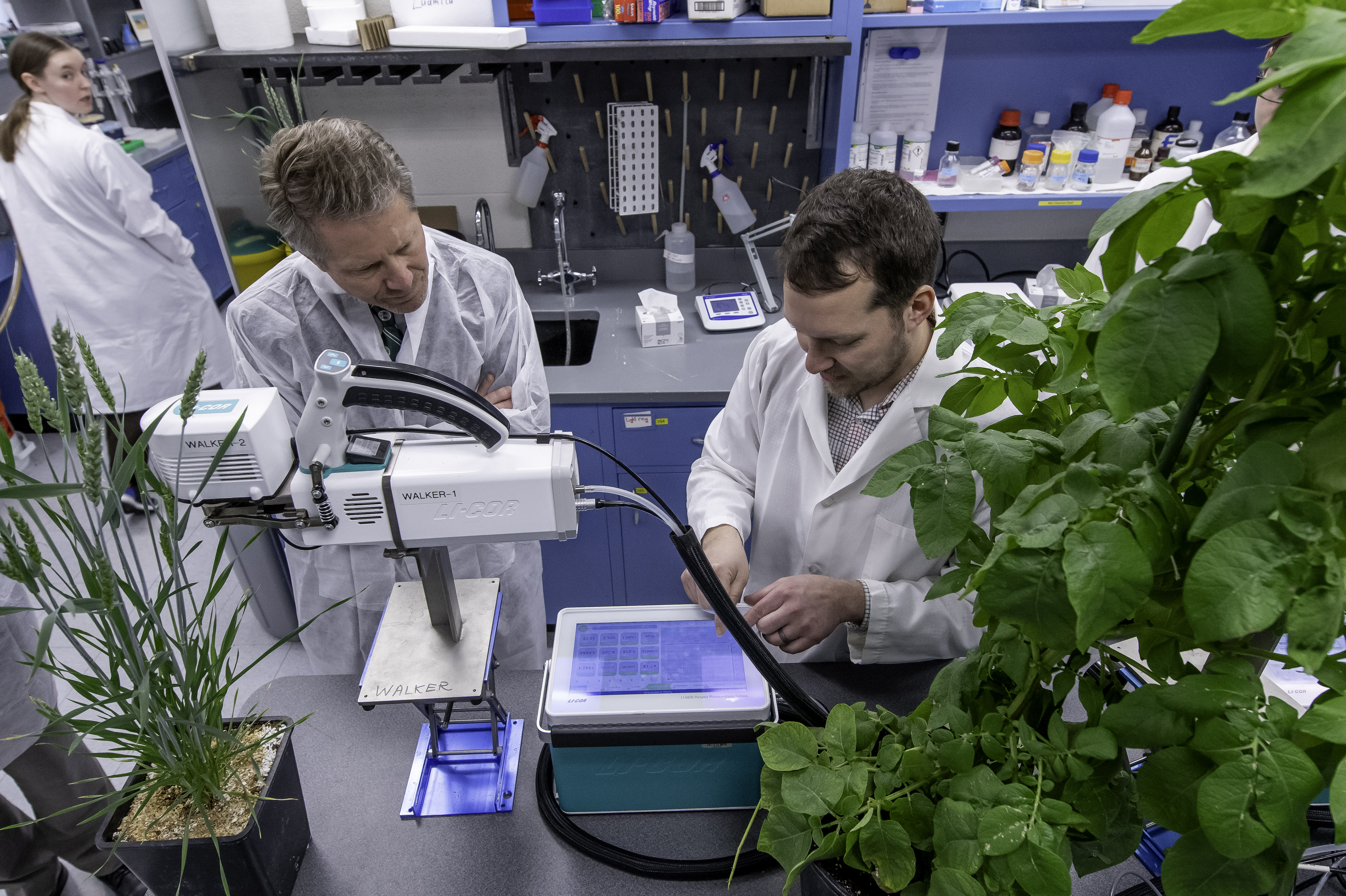
Berkley waker and President Kevin Guskiewicz
Berkley Walker (right) shows Michigan State University President Kevin Guskiewicz (left) around the lab. Credit: David Trumpie

Plants make their own food through photosynthesis. They grab carbon dioxide from the atmosphere to make sugars and other compounds, which are basic building blocks for everything that is a plant. Once it has the carbon, the plant must decide what to do with it. What types of sugar should it make? Will it make starch, animo acids, lignin? These are critical choices the plant needs to make to grow, but also are important to humans and livestock that depend on them for sustenance and nutrition.

The process that grabs the carbon dioxide from the atmosphere is known as the Calvin Benson cycle. Researchers have long assumed that the plant has to be careful with how much carbon the plant takes from the cycle. Like a bank account, the plant cannot withdraw, or “overspend,” too much from the cycle without disastrous effects.

However, within the last few years, Hiroshi Maeda, professor of botany from the University of Wisconsin, found a way to deregulate this carbon removal from the Calvin Benson Cycle, and overdraw on the account. Surprisingly, his group found that the plant simply increases its rate of photosynthesis to make up the difference.
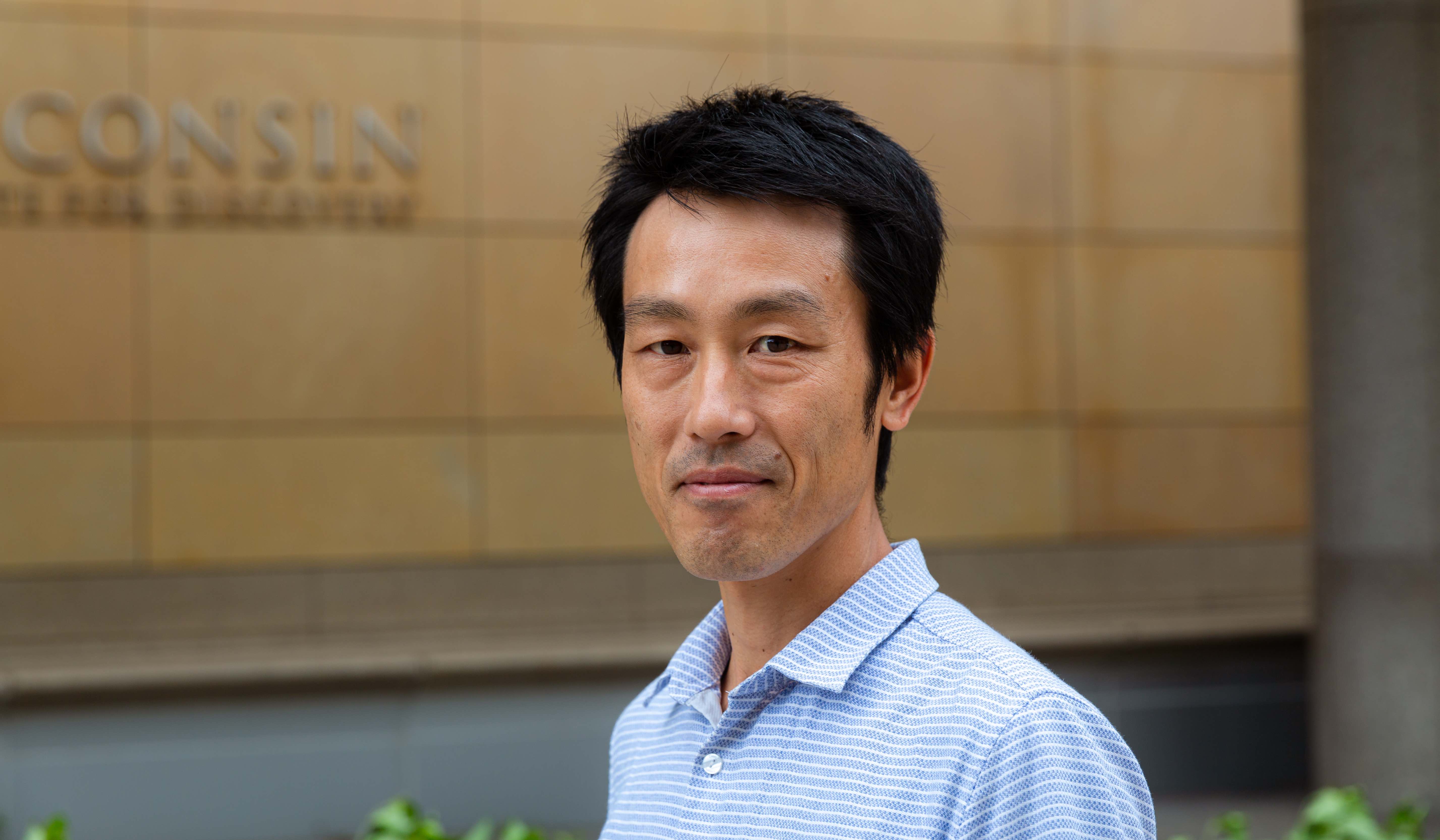
Hiroshi Maeda
Hiroshi Maeda, professor of botany from the University of Wisconsin Credit: Colton Mansavage

“That is the part of the grant that is interesting to me,” said Walker, associate professor in the Michigan State University-Department of Energy Plant Research Laboratory and the MSU Department of Plant Biology. “How is it that you can take more [carbon] from photosynthesis and it just gives you more? This is like having a salary that increases when your bank balance is too low!”

The Walker lab will investigate this question. This research fits in well with their current mission, analyzing carbon flux through plant metabolism. This is essentially studying plant metabolism, like an accountant monitoring cash flows through the various bank accounts that a plant maintains. Like your money in the bank, there are a myriad of things the plant can spend the carbon on. How does it decide?
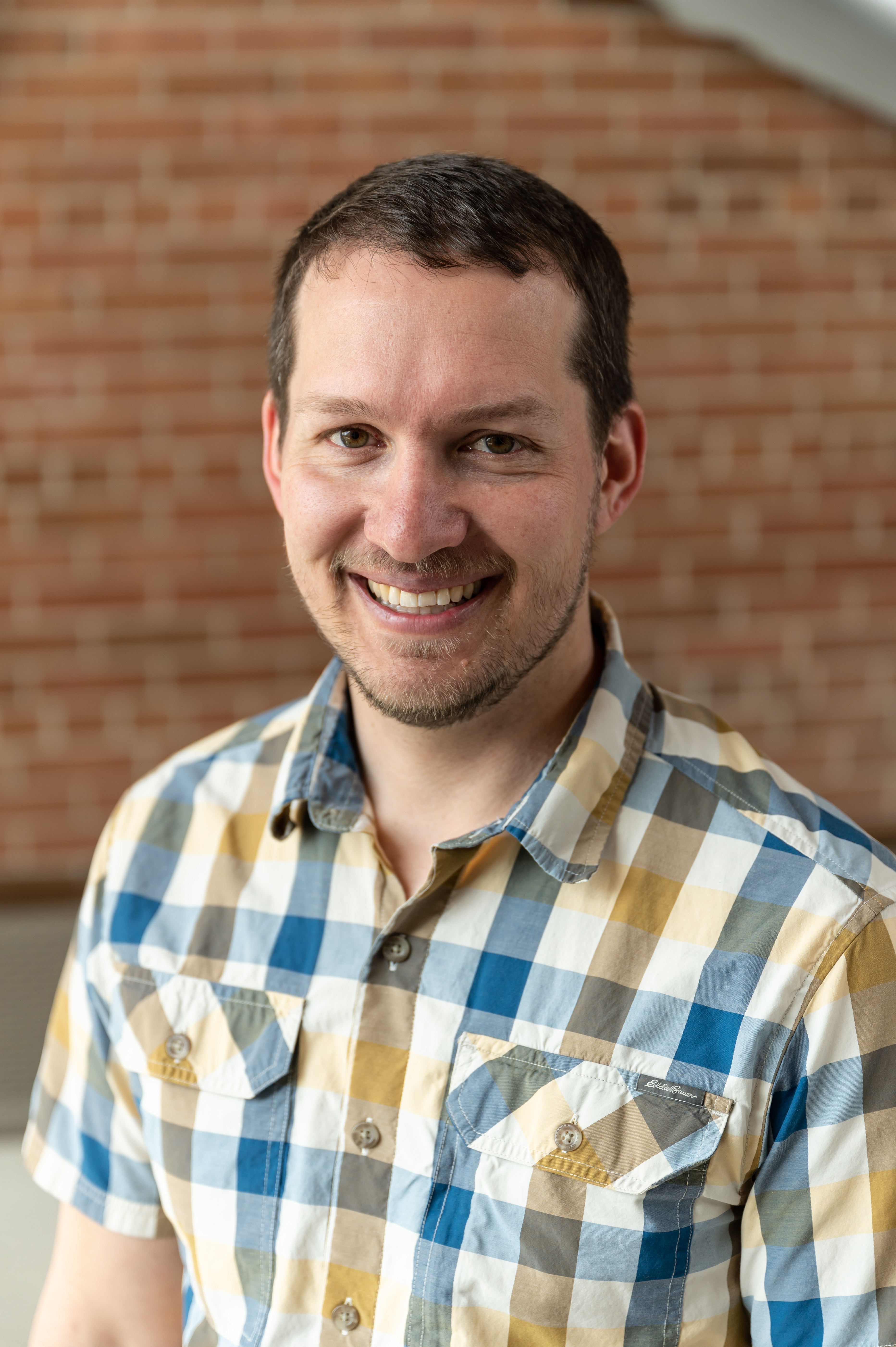
Berkley Walker
Berkley Walker, associate professor at Michigan State University Credit: Emily Walker

“You see a lot of talk about wanting to ‘hack’ plants,” Walker said “For example, people have talked about making different medicines in plants, and the assumption is if you can teach the plant how to do it, it will make an unlimited supply of this medicine. But the reality is the building blocks for that medicine have to come from somewhere, and they come from photosynthesis.”

Walker will look at whether or not the plants can keep up with the demand of added photosynthesis from a re-engineered plant.

Maeda is interested in aromatic amino acid synthesis, which is where the carbon goes when it leaves the Calvin Benson cycle. Amino acids are important to not only the plant but to human health. Increasing the production of aromatic amino acids also paves the way for sustainable, plant-based production of aromatic chemicals, which are currently largely derived from fossil fuels.

“The fundamental understanding of how plants absorb CO2 from the air and convert them into various aromatic chemicals will allow us to improve the production of these valuable compounds in plants and perhaps sequester more CO2 in plant biomass,” said Maeda.

“We are very much looking forward to working with Walker's lab on this project and would like to thank NSF MCB program for supporting our work."

This story originally appeared on the MSU-DOE Plant Research Laboratory website. 

MSU ResearchMSU Leadership and ImpactMSU Research

Latest News

MSUToday Weekly Update

The MSUToday Weekly Update email showcases how Spartans are making a difference through academic excellence, research impact and community outreach. Get inspired by these stories of innovation, collaboration and determination. Plus, enjoy photos and videos of campus and more MSU content to help keep you connected to the Spartan community.

Sign UpUpdate My Information

Connect With Us

Visit our Facebook pageVisit our page on XVisit our Instagram pageVisit our LinkedIn pageVisit our YouTube pageVisit our TikTok page

Health and Safety

  • MSU Police and Public Safety
  • Olin Health Center
  • Counseling & Psychiatric Services (CAPS)
  • University Health and Wellbeing
  • MSU Health Care
  • Civil Rights and Title IX
  • Our Commitment
  • Center for Survivors
  • Security & Fire Safety Report
  • University Policy on Relationship Violence and Sexual Misconduct
  • Notice of Non-Discrimination, Anti-Harassment and Non-Retaliation
  • Health Care Non-Discrimination Notice

Support Services

  • Disability Resources
  • Supportive Services
  • Learning Resources

Working at MSU

  • Human Resources
  • EBS Login
  • Job Postings
  • Employee Assistance Program

Reports

  • CARES Act Funding
  • Student Achievement and Outcomes

Contact us

517-355-1855

Address

Michigan State University 426 Auditorium Road East Lansing, MI 48824

Follow Us

  • Visit our Facebook page
  • Visit our page on X
  • Visit our Instagram page
  • Visit our TikTok page
  • Visit our LinkedIn page
  • Visit our YouTube page

If you're having accessibility issues, please let us know.

Know More: Campus Safety Information and ResourcesTransparency Reporting: Budget & Salary/Compensation
  • Contact Information|
  • Site Map|
  • Privacy Statement|
  • Site Accessibility|
  • Call MSU: (517) 355-1855|
  • Visit: msu.edu|
  • Notice of Nondiscrimination|

SPARTANS WILL|© Michigan State University|
