Researchers at MSU have discovered two proteins that work together to determine the fate of cells in plants facing certain stresses.
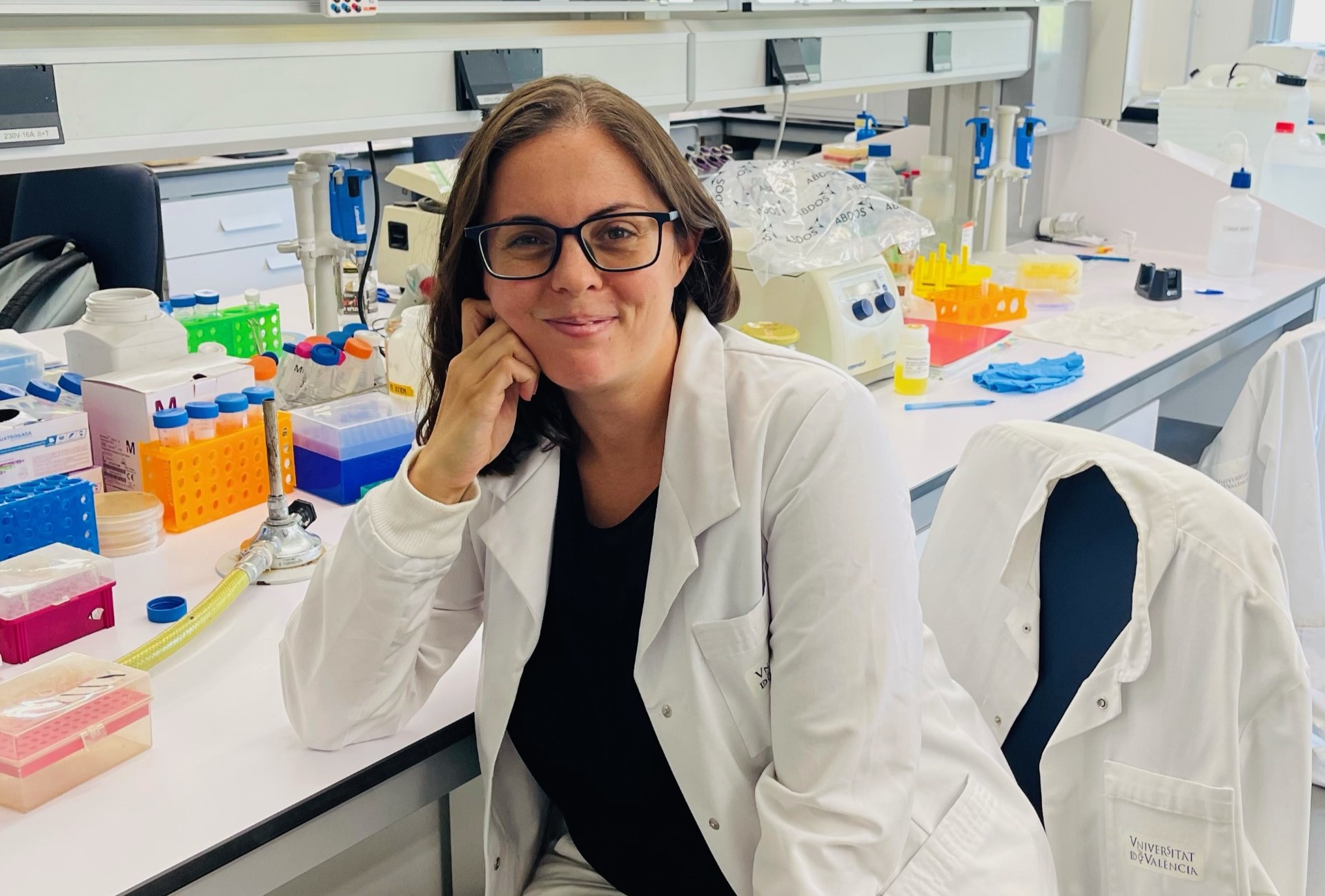
Ironically, a key discovery in this finding, published recently in Nature Communications, was made right as the project's leader was getting ready to destress.
Postdoctoral researcher Noelia Pastor-Cantizano was riding a bus to the airport to fly out for vacation, when she decided to share a promising result she had helped gather a day earlier.
“I didn’t want to wait ten days until I came back to send it. It took almost two years to get there,” said Pastor-Cantizano, who then worked in the Brandizzi lab in the MSU-DOE Plant Research Laboratory, or PRL.
"That's what I remember at the moment," Pastor-Cantizano said. "I was thinking 'I can relax now, at least for one week.'
Pastor-Cantizano had been working identify a gene in the model plant Arabidopsis that could control the plants response to stressors, which can lead to the plant’s death. She and her collaborators had identified a protein in Arabidopsis that seemed to control whether a plant would live or die under stress conditions.
Having identified the gene was just the beginning of the story, despite being years into the journey. It would take five more years to get to this new paper.
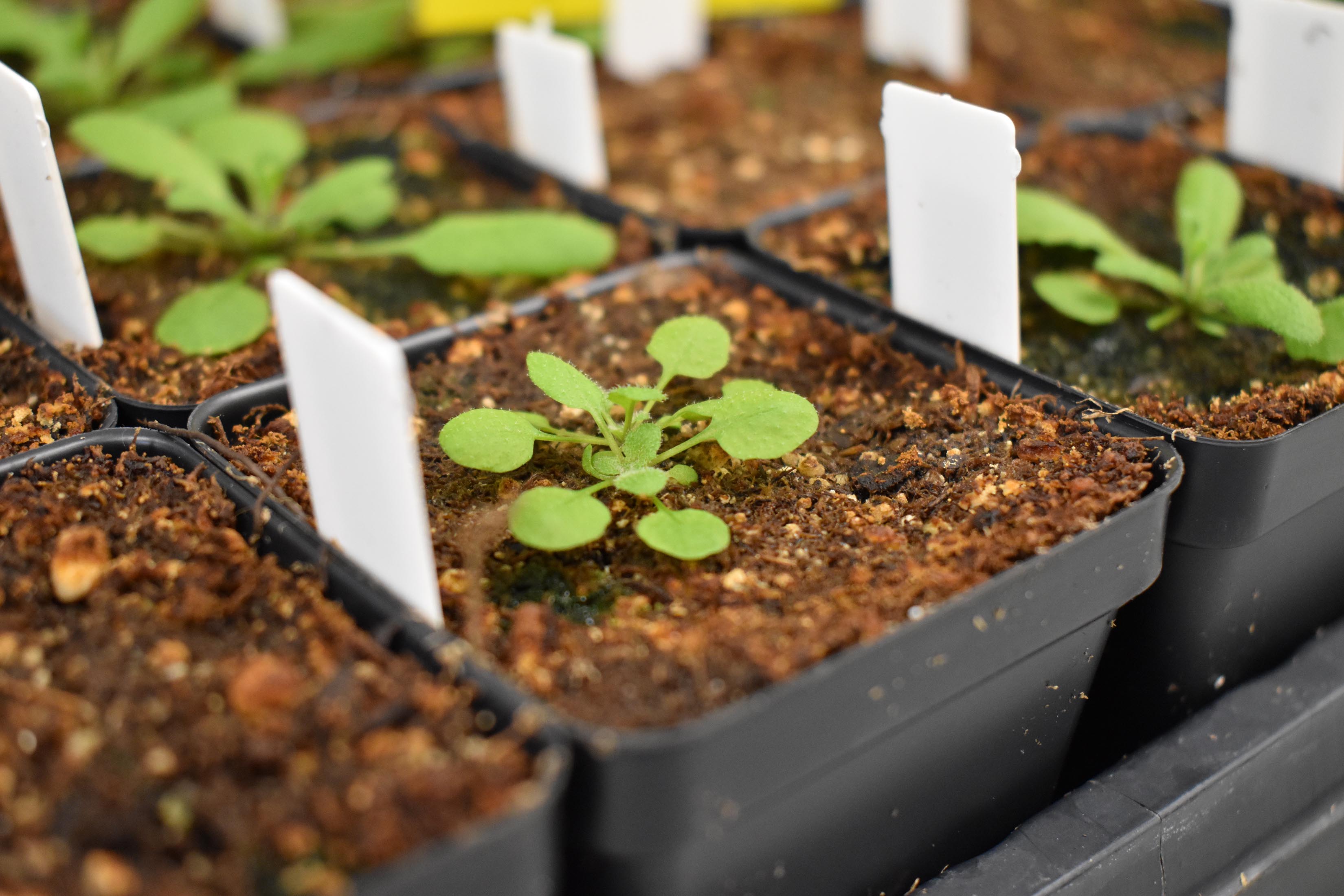
The researchers discovered that the proteins BON-associated protein2, or BAP2, and inositol-requiring enzyme 1, or IRE1, work together when dealing with stress conditions — a matter of life and death for plant cells.
Understanding how these proteins function can help researchers breed plants that are more resilient to death conditions.
Creating plants that are more resistant to endoplasmic reticulum stress, or ER stress, has widespread implications in agriculture. If crops can be made to be more resilient in the face of drought or heat conditions, the plants stand a better chance of surviving and thriving, despite the changing climate.
“Research in our lab is fueled by enthusiasm and gratitude to be able to make important contributions to science,” said Federica Brandizzi, MSU Research Foundation Professor in the Department of Plant Biology and at the PRL. “The work was herculean, and has been possible only thanks to the patience, enthusiasm and dedication of a wonderful team. Noelia was simply fantastic.”
Working in tandem
Within eukaryotic cells is an organelle known as the endoplasmic reticulum, or ER. It creates proteins and folds them into shapes the cell can utilize. Like cutting up vegetables to use in a recipe, the proteins must be formed into the right shape before they can be used.
Protein making and protein folding capacity must be in balance, like a sous chef and a chef, working in tandem. If the sous chef is providing the chef with too little or too many ingredients, it throws off the balance in the kitchen.
When the ER cannot properly do its job, or the balance is thrown off, it enters a state known as ER stress. The cell will jumpstart a mechanism known as the unfolded protein response, or UPR, to decide what to do next. If the problem can be resolved, the cell will initiative life saving measures to resolve the problem. If it cannot be, the cell begins to shut down, ending its and potentially the plant’s life.
It was known that the enzyme IRE1 was responsible for directing the mechanisms that would either save the cell or kill it off.
But what calls IRE1 to action?
In this study, the Brandizzi lab researchers were searching for the master regulator of these pro-death processes, known as programmed cell death.
“I had the idea because I read that irritable bowel disease is linked to a mutation in a gene controlled by IRE1 that occurs among humans,” Brandizzi said. “Humans are diverse and so are plants. So I thought to look into plant diversity as a source of new important findings in the UPR.”
The researchers started by looking at hundreds of accessions, or plants of the same species but specific to one locale. For example, a plant that grows in Colombia will have genetic variations to the same species of plant that grows in Spain, and the ways they each respond to stress conditions could differ.
They found extensive variation in the response to ER stress between the different accessions. Taking the accessions whose responses were the most dissimilar, they tried to identify the differences in their genomes. This is where the BAP2 gene candidate came into play.
“We found that BAP2 responds to ER stress,” said Pastor-Cantizano, who is currently a postdoc at the University of Valencia. “And the cool thing is that it is able to control and modify the activity of IRE1. But also IRE1 is able to regulate BAP2 expression.”
BAP2 and IRE1 work together, signaling to each other what the best course of action for the cell is. Having one without the other results in the death of the plant when the ER homeostasis is unbalanced.
Seven years
From start to finish, this project took over seven years of dedicated work.
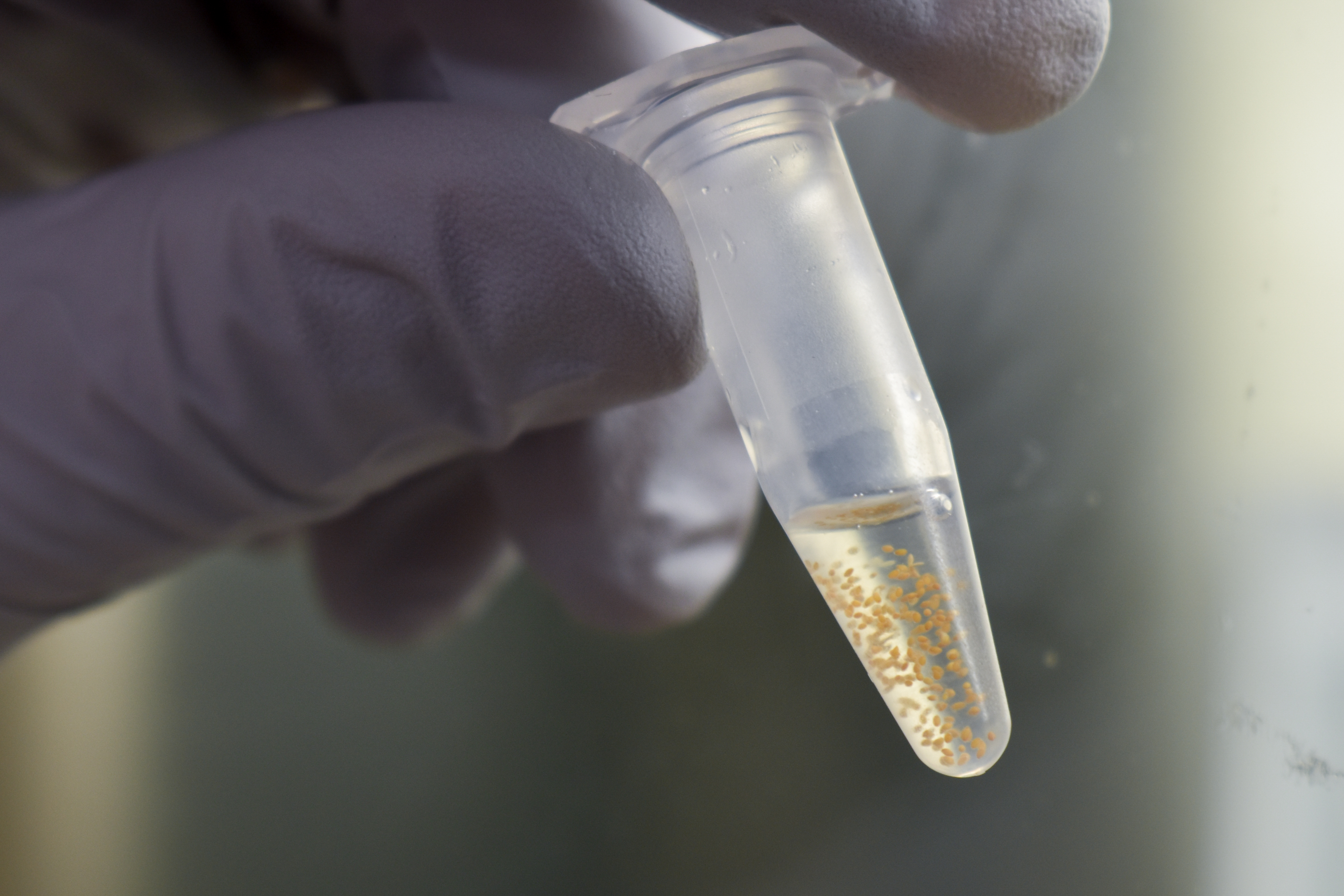
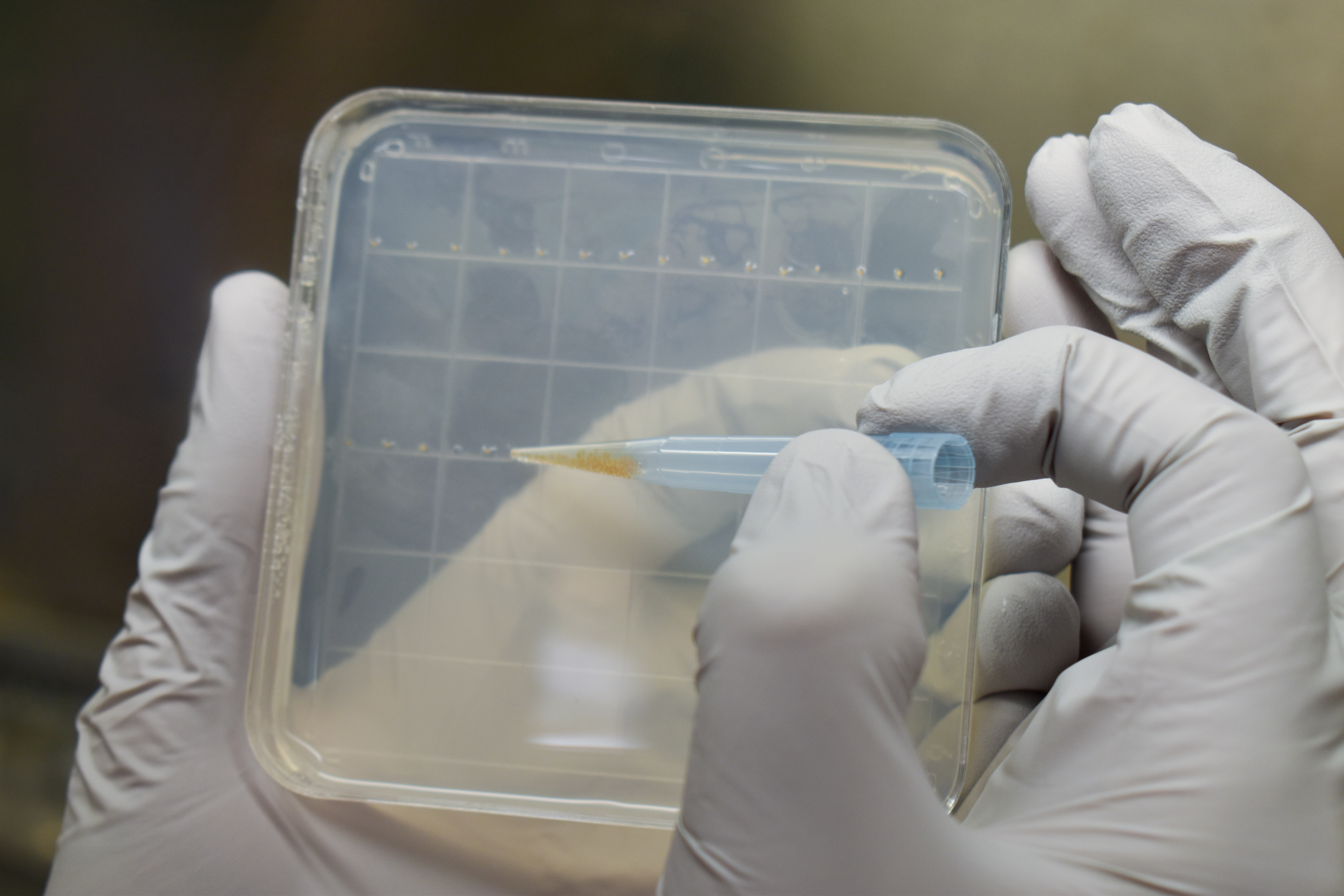
Day in and out, the researchers spent their time tediously placing seeds onto plates with a medium in which they could grow. Arabidopsis seeds are not much larger than grains of sand at their smallest, so this was delicate work that required time and attention.
From there, the researchers spent several more months with these plants, looking at the accessions offsprings and identifying how BAP2 worked within the plants. This took another few years.
“It has been a long road with its obstacles, but it has been worth it,” said Pastor-Cantizano. “When I started this project, I couldn't imagine how it would end.”
This work was funded by the National Institutes of Health, with contributing support from Chemical Sciences, Geoscience and Biosciences Division, Office of Basic Energy Sciences, Office of Science, U.S. Department of Energy; the Great Lakes Bioenergy Research Center, U.S. Department of Energy, Office of Science, Office of Biological and Environmental Research; and MSU AgBioResearch. Additional contributing support comes from the Generalitat Valenciana, “European Union NextGenerationEU/PRTR.”
This story originally appeared on the College of Natural Sciences website.

