How does one become a great educator? A new office at The Graduate School works for graduate students and postdoctoral scholars to become just that.
The Graduate Educator Advancement in Teaching Office, or GREAT, led by Director of Graduate Student and Postdoc Instructional Development Stefanie Baier, aims to provide resources and support to graduate and postdoctoral scholars in their instructional journey at Michigan State University and beyond.
GREAT beginnings
Teaching development is not new to The Graduate School or MSU. The Graduate Teaching Assistant Preparation Program, essentially the onboarding of graduate teaching assistants, or GTAs, university-wide, has been going on since 1998.
Over time, additional programs, such as the teaching cohort fellowships and the Certification in College Teaching, were added into the mix. However, they were standalone programs, not within a unified office.
“It was a mixture of all the things that The Graduate School does with teaching.” Baier said.
Baier came to MSU in 2019 as the Curriculum Development Director with the goal to make the Graduate Teaching Assistant Preparation Program more organized. When the COVID-19 pandemic hit, she created a mailing list and began by emailing graduate teaching assistants to ask how they were doing and how she could support them.
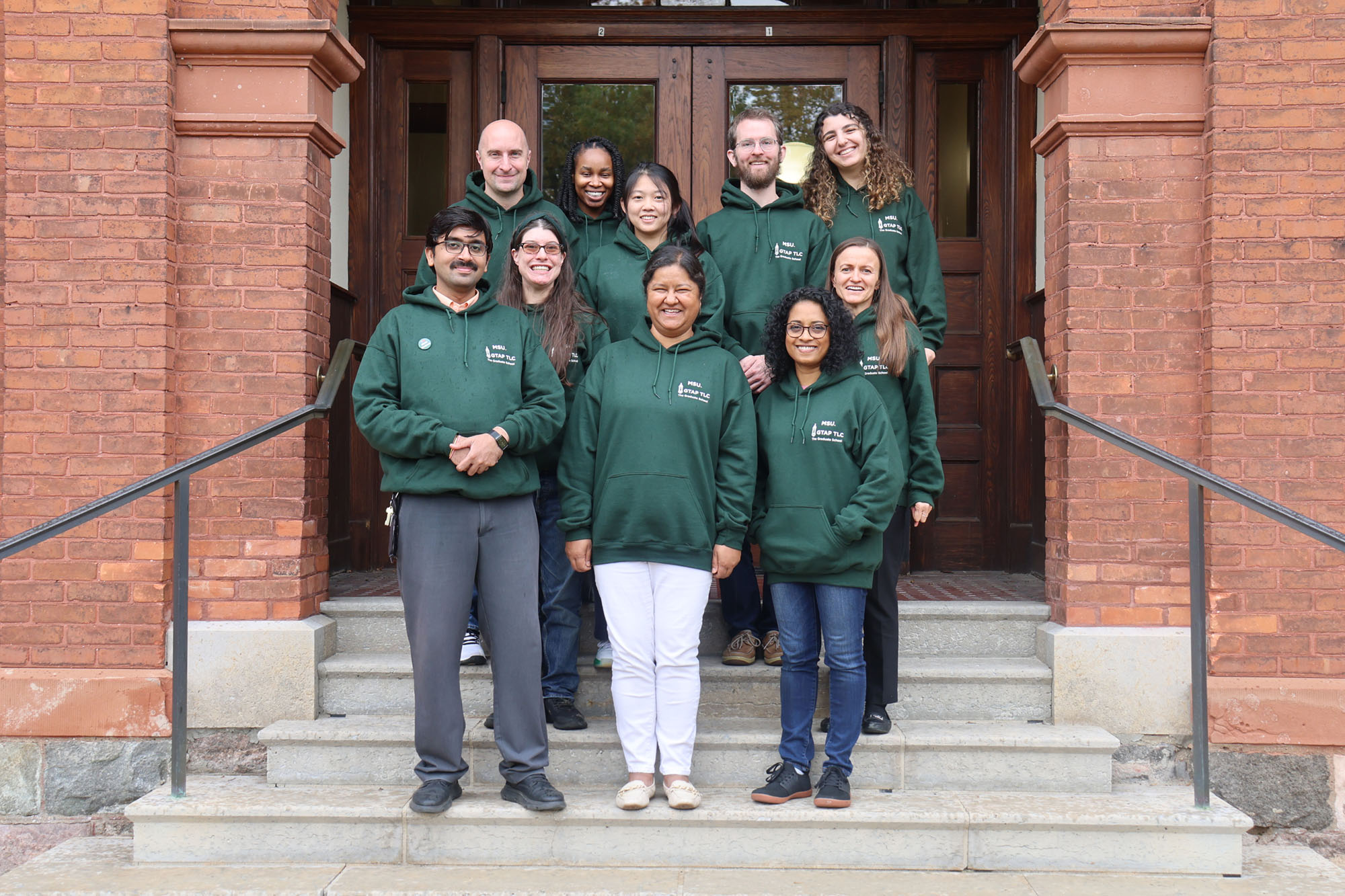
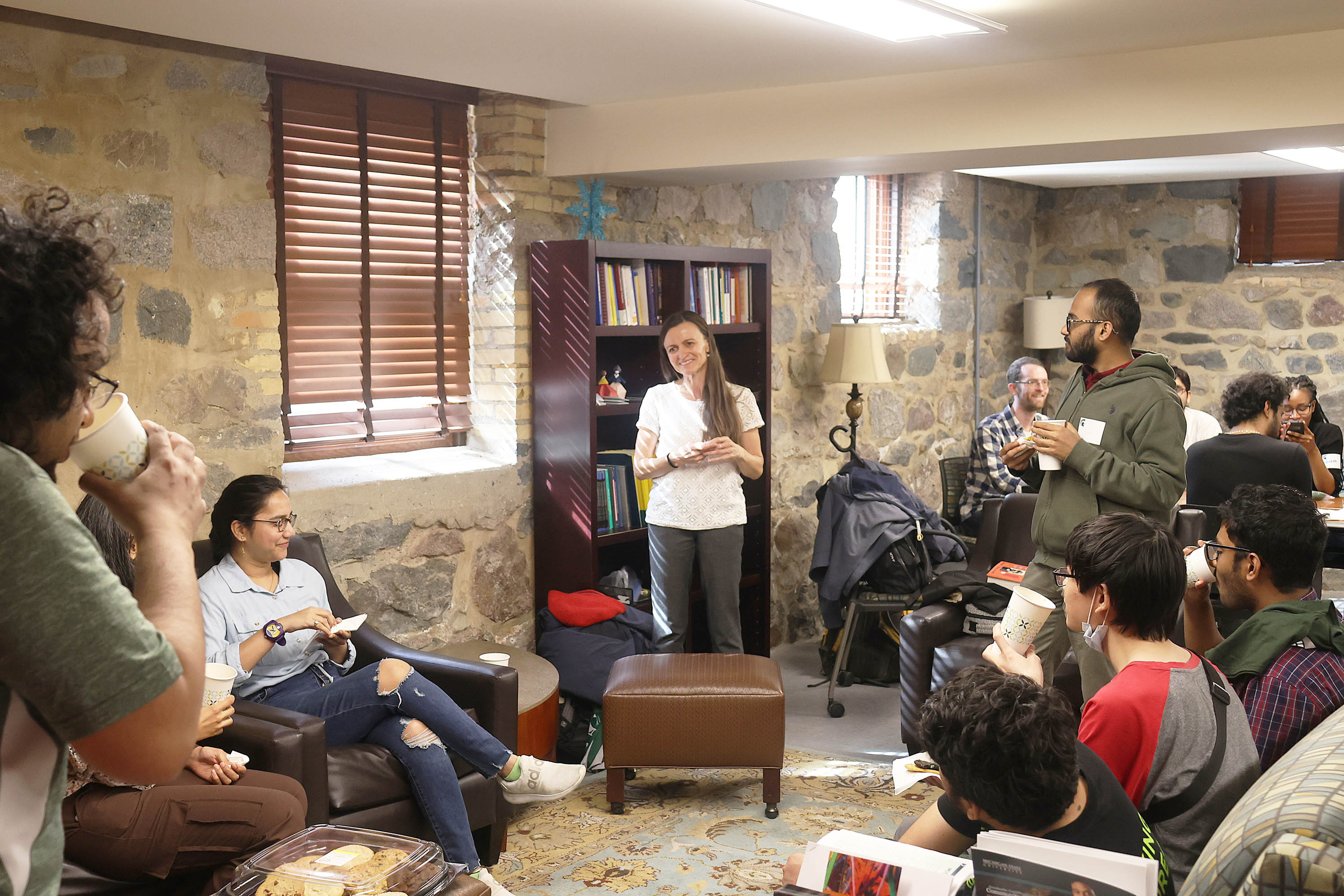
A group of students responded and worked with Baier to form virtual Lunch and Learns as a way for students to meet and share what they were doing to transition to online learning. From that informal group grew a formal, interdisciplinary, university-wise learning community called the Graduate Teaching Assistant Teaching Learning Community, or GTA TLC.
“Learning and teaching involves the body, mind and spirit…We are not brains on sticks.”
As in-person learning began to return, members of the GTA TLC formed an advisory group (now known as the GREAT Advisory Group) to determine the needs of graduate teaching assistants and started sharing resources and pedagogical support. What they had found was a decentralized system of teaching programs and resources scattered throughout MSU.
To address this challenge, Baier and the advisory group determined there was one path forward: form an office dedicated to graduate and postdoctoral educators.
“When you define something as an office, you can communicate it better,” said Baier, “And when you develop a great acronym, you become more visible.”
From orientation to graduation and beyond
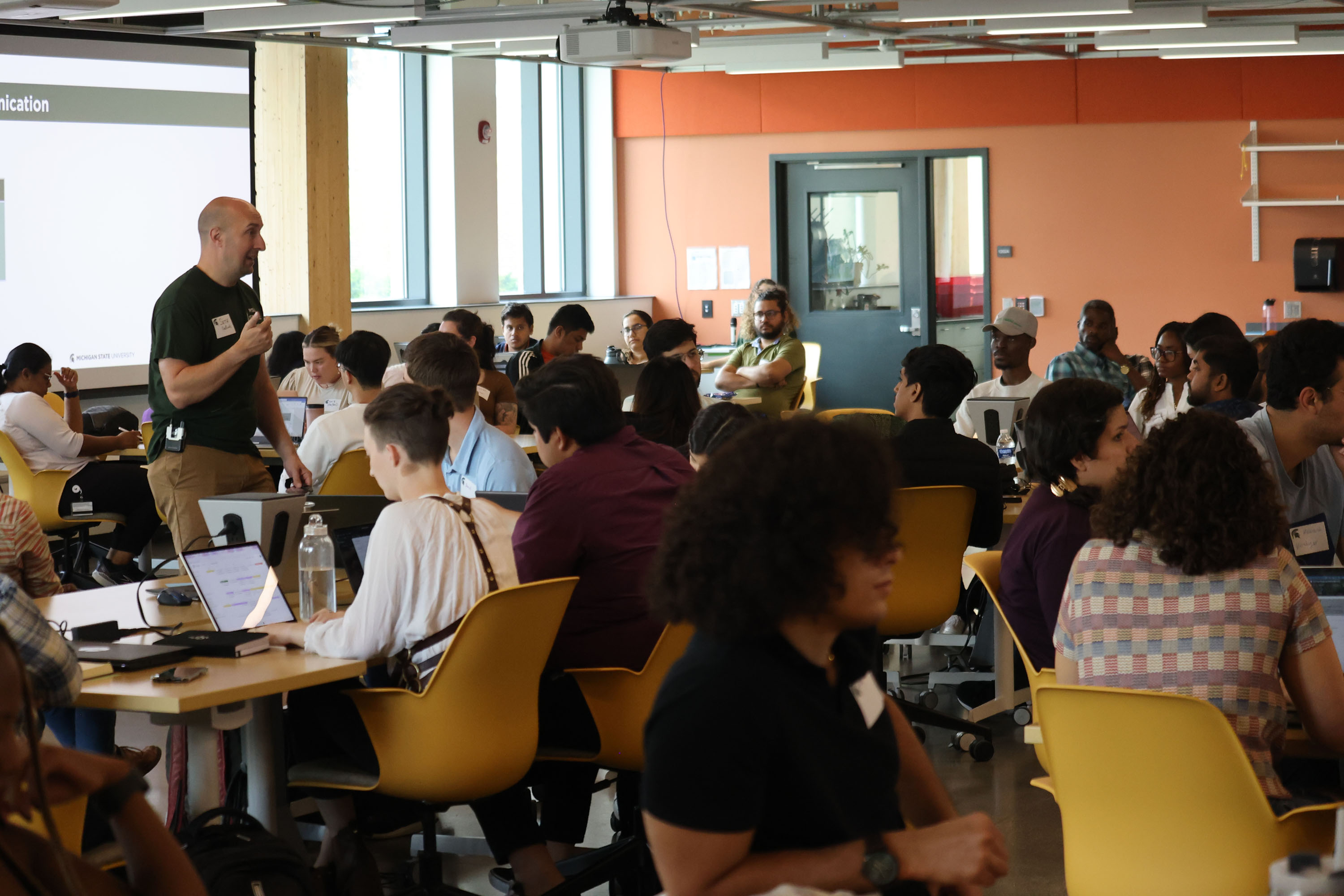
GREAT begins when graduate students set foot onto campus. New graduate teaching assistants are required or strongly recommended to attend the Graduate Teaching Assistant Preparation Programs that give graduate students a crash course in the skills needed and tools available to get started in their various roles. These programs are available annually for all graduate teaching assistants, and postdocs and any graduate student interested in teaching can also attend.
“Everyone needs a conducive environment to grow, and the process of learning never stops.”
GREAT also offers workshops throughout the year touching on a wide range of topics, from writing a teaching philosophy statement to exploring pedagogical techniques. Oftentimes GREAT partners with faculty and staff from other offices on its workshops. GREAT also partners with the Council of Graduate Students and the Graduate Office of Well-Being for events. GREAT’s philosophy is one focused on the whole student – they are supported holistically in both their personal and professional development.
“Learning and teaching involves the body, mind, and spirit,” said Baier, “When we educate, we cannot consider students as individuals who are only here to learn with no influence from the emotional life they bring into the classroom. We are not brains on sticks.”
GREAT also coordinates and supports many teaching cohort fellowships which provide community around teaching while also providing funding to pursue teaching-related projects.
It also houses the Certification in College Teaching, a graduate certification on a graduate student’s transcript that recognizes additional work they have done to advance themselves as educators during their time at MSU. GREAT recognizes outstanding educators every month through their Educator of the Month series for the impact they have in various contexts.
Even if a graduate student or postdoctoral scholar is not planning on entering a career in academia, Baier says that the skills of teaching are lifelong.
“I consider teaching to be a transferable skill,” said Baier. “Whatever you learn in teaching you can take into the private and public sector.”
“Everyone needs a conducive environment to grow, and the process of learning never stops,” said Saviour Kitcher, a Ph.D. student in the Curriculum, Instruction, and Teacher Education program. “The GREAT vision of learning is not just limited to academics and professional development; it goes beyond that. GREAT offers a home and community that fosters companionship and belongingness, which is why it is imperative for everyone to be a part of it.”
For students, by students
From the onset, Baier insisted the development of GREAT be graduate student led.
“I have over 20 years of teaching experience and was a graduate teaching assistant myself, but I wanted to see what graduate students are encountering,” Baier said, “I can build the curriculum, I have the experience, I have the knowledge, but what I really need to know is what graduate teaching assistants need, and that needs to come from the graduate students and postdoctoral scholars themselves. When we serve graduate students, it is important that we listen to what they see, feel, and experience.”
“[GREAT] is a community where you can grow your story as a graduate student at MSU.”
“The office of GREAT is committed to provide support and services that a GTA or a postdoc may need,” said Arya Gupta, a Ph.D. candidate in the Computer Science and Engineering Program. “This includes not only organizing workshops & courses related to teaching & professional development and well-being, but also organizing social gatherings.”
“I was able to talk to and learn from others from different colleges — people I wouldn’t normally meet by just working in my own office all the time,” said Titi Kou-Herrema, student in the German Studies program. “Building connections outside of one’s own research group is both fun and valuable. I always appreciate the interdisciplinary conversations I had with others from GREAT.”
Baier hopes that GREAT will provide graduate students and postdoctoral scholars with one key thing: community.
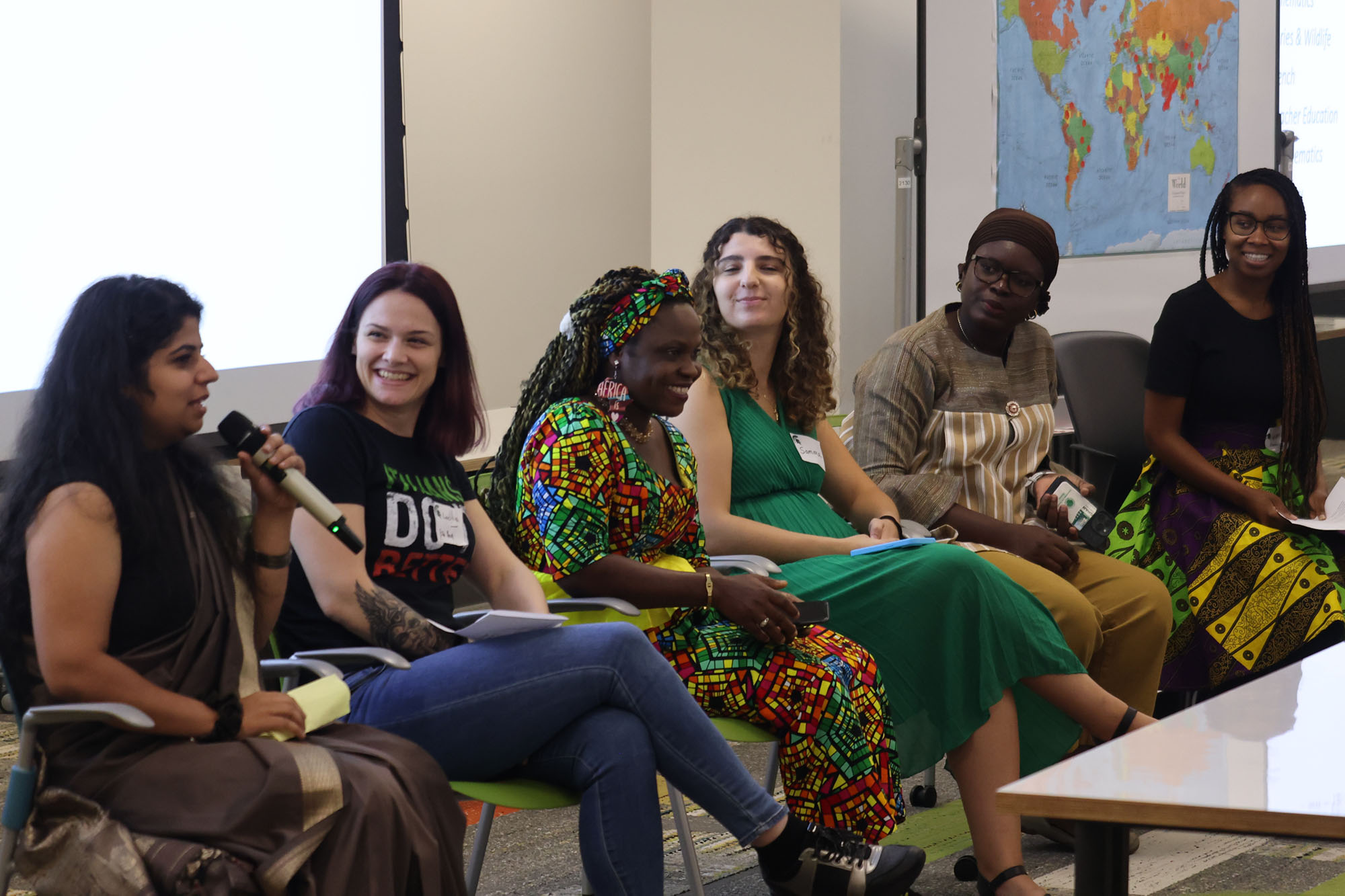
“I want them to recognize how important it is to collaborate and connect with others in similar roles, and these connections are really important and may actually be lifelong,” said Baier. “You need an educator community. Teaching is a relational process, and with GREAT we want to elevate that it’s important to connect with other educators.”
“The best part about GREAT is feeling valued and recognized for your strengths and for the unique set of experiences and perspectives you bring to the table,” said Chamoun. “It is a community where you can grow professionally and personally and feel supported and genuinely cared for as an educator and as a human being. It is a community where you can grow your story as a graduate student at MSU.”

