For protesters, demonstrations are usually the result of meticulous planning by advocacy groups and leaders aimed at getting a message out to a wider world or to specific institutional targets. To outside onlookers, however, protests can seem disorganized and disruptive, and it can be difficult to see the depth of the effort or the goal.
Take the pro-Palestinian protests that have sprung up at campuses across the United States in recent weeks. To the students taking part, they are, in the words of one protester, “uplifting the voices of Gazans, of Palestinians facing genocide.” But to many people outside universities, the focus has been on the confrontations and arrests as a result of the protests.
Protest movements can look very different depending on where you stand, both literally and figuratively. Where does this disconnect come from? Most people don’t participate in on-the-streets protests or experience any of the disruption that they cause. Rather, they rely on the media to give a full picture of the protests.
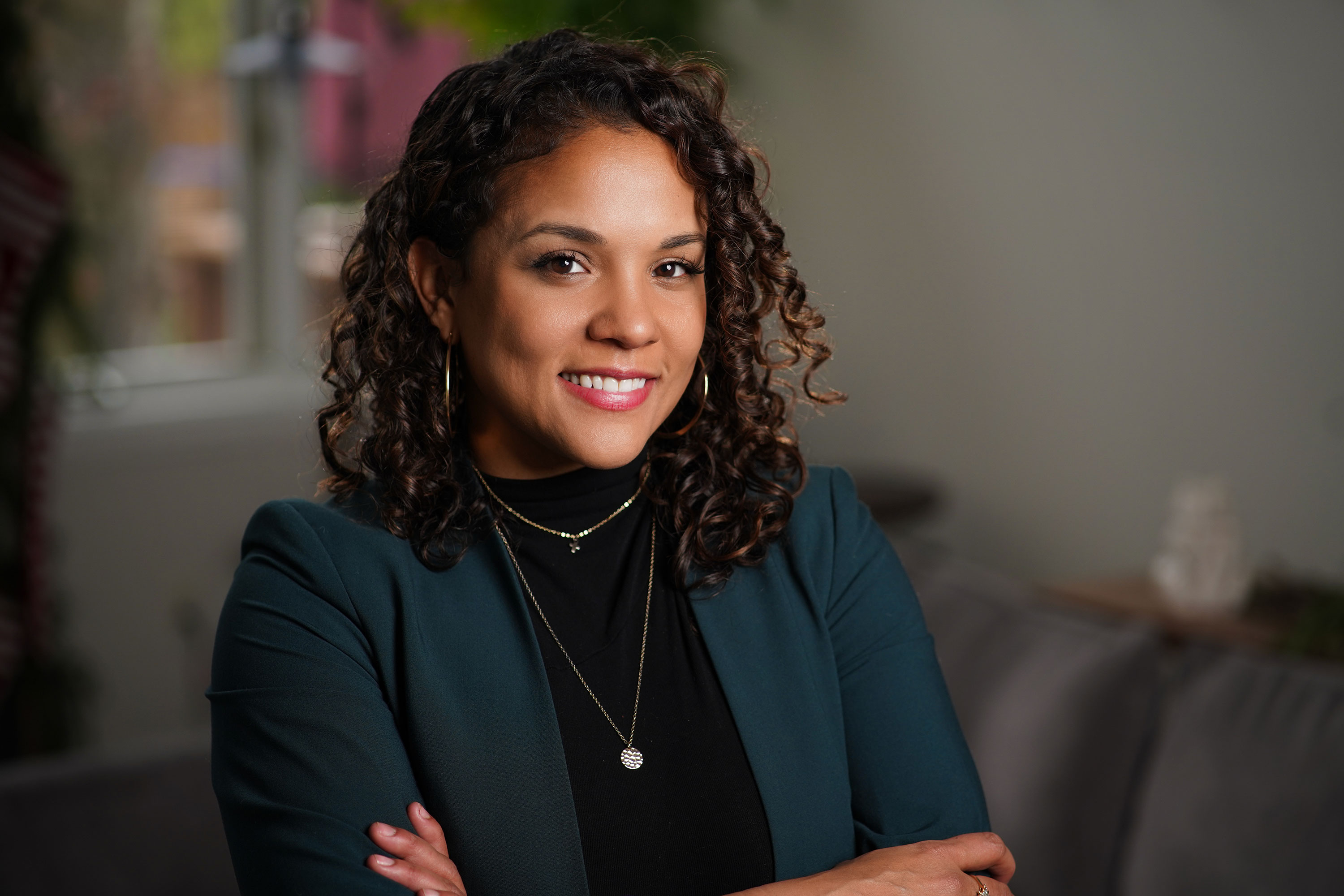
Danielle K. Brown, 1855 Professor of Community and Urban Journalism in Michigan State University’s College of Communication Arts and Sciences, has over a decade of experience researching trends in how the media shapes narratives around different kinds of demonstrations.
She is also the founding director of the LIFT Project — an engaged research effort aimed at identifying networks of trusted messengers in underrepresented communities in the Midwest to: 1) understand their effects on civic and democratic life; 2) create, network and allocate resources needed to inform communities better; and 3) build new opportunities for sustainable reparative narrative change.
Here, Brown explains what various elements of a protest look like and how the media covers them.
Answers are excerpts from an article originally published in The Conversation.
What are the core elements of a protest?
Protests — from small silent sit-ins and mass marches to the current student-led encampments — share similar components.
They require a degree of planning, focus on a perceived injustice and seek reforms or solutions. Protests also, by their very nature, engage in varying degrees of disruptive actions that exist in confrontation with something or someone and utilize strategies that attract the attention of news media and others.
These core elements, such as grievances, demands, disruption, confrontation and spectacle, are present in nearly all protests.
But to the media, some elements are more newsworthy than others, with confrontation and spectacle often topping the list. As a result, these elements tend to be covered more often than others.
What is missing from media coverage of protests?
In my research focusing on social movements like Black Lives Matter, the 2017 Women’s March and others, I have found that, time and again, coverage tends to headline the parts of the protest that are sensational and disruptive.
This neglects the political substance of the protests. The grievances, demands and agendas are often left in shadows. For example, analysis of the 2020 protests following the murder of George Floyd conducted with my colleague Rachel Mourão found the Associated Press and cable news headlines were more likely to focus on disruption and chaos than police violence or protester demands.
This pattern is referred to as the protest paradigm. While there are many factors that can make this paradigm fluctuate, like the timing of stories and the location of a news organization, movements that seek to disrupt the status quo are the most likely to receive initial coverage that frames protesters as criminal, irrelevant, trivial or illegitimate components of the political system.
What is the media focusing on in its coverage of protests?
Rather than focusing on the grievance of protesters — that is, concerns about the deaths and injuries — reports of the campus encampments have focused on the confrontations between protesters and police.
As with all trends, there are always deviations and outliers. Not all reported pieces align with the protest paradigm. In the research examining news coverage after the murder of George Floyd, we found that when reports in major news outlets deviate from the protest paradigm, it was often in work produced by journalists who have engaged deeply and frequently with a community.
In the current campus protests, it is student journalism that has emerged as an outlier in this respect. Take, for example, an article from the Indiana Daily Student published during the peak of the unrest. It explains the lesser-known last-minute administrative policy changes that ultimately disrupted protest planning logic and contributed to the arrests and temporary bans of faculty and student protesters.
How does the media decide who gets quoted in these situations?
There are commercial reasons why some newsrooms focus on the spectacle and confrontation — the old journalism adage, ‘if it bleeds, it leads,’ still prevails in many newsroom decisions. During the initial weeks of the campus protests, this penchant for sensationalism was reflected by the media’s focus on chaos, clashes and arrests.
In breaking news situations, journalists tend to gravitate toward — and directly quote — sources that hold status, like government and university officials. This is because reporters may already have an established relationship with such officials, who often have dedicated media relations teams. And in the case of campus protests in particular, reporters have faced difficulty connecting with protest participants directly.

