Rebecca Karam is an assistant professor in the Department of Sociology, College of Social Science, at Michigan State University. Her research is situated at the intersection of race and ethnicity, the sociology of religion, and immigration to the United States.
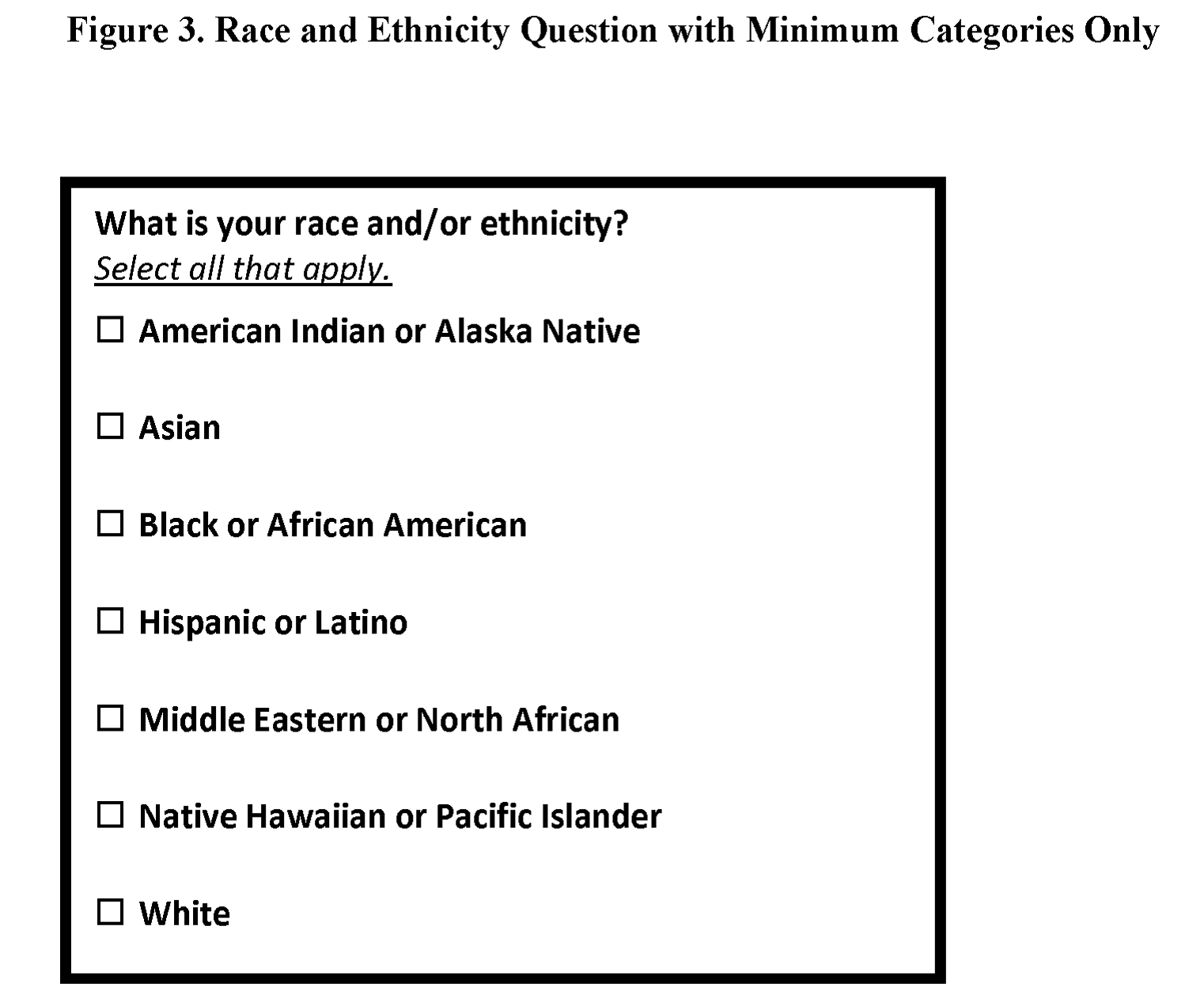
April commemorates Arab American Heritage Month, a time to not only celebrate Arab American leaders and culture but also recognize and elevate issues facing our community. This year’s celebration comes on the heels of a significant victory for Arab Americans. On March 28, 2024, the U.S. Office of Management and Budget, or OMB, announced major changes to the way federal agencies will collect race and ethnicity data; the race and ethnicity categories on the U.S. census have not been updated since 1997. The two biggest changes include combining the previously separate race and ethnicity questions and the addition of a Middle Eastern and North African, or MENA, category in the collection and presentation of federal data.
After decades of pushing for better statistical representation of MENA communities in the United States, members of these communities are finally escaping a “state of demographic purgatory.” For almost 100 years, MENA Americans have been legally racially classified as white, meaning there has been no direct way to count members of this group in official statistics. Therefore, any disparities and inequalities faced by MENA Americans have remained obscured.
This situation prevails even though, according to a recent study published in the Proceedings of the National Academy of Sciences, most MENA Americans are not perceived, nor do most perceive themselves, to be white. Karin Orvis, a chief statistician within the OMB, explained the potential impact of these federal changes in a March 28 blog post: “These revisions will enhance our ability to compare information and data across federal agencies and also to understand how well federal programs serve a diverse America.” In other words, we can expect more accurate and insightful statistics about differences in health care outcomes and socioeconomic disparities MENA Americans face once the new category is implemented.
It will likely take years before these technical gains may be realized. In fact, federal agencies that release data about race and ethnicity will not be required to get all their surveys and statistics in line with the new requirements until 2029. For the time being, we must rely on population estimates.
Currently, the U.S. Census Bureau estimates that the size of the MENA American community is around 3.5 million people or 1.5% of the total population. At least 310,000 MENA Americans live in Michigan, comprising one of the nation’s largest, oldest and most vibrant MENA communities. Yet because of the historical classification of MENA Americans as white, their exact size and contributions to the state and its public institutions are not known.
For example, here at MSU, we have no direct way to estimate the size of the MENA Spartan community nor any institutionalized capacity to get a sense of their place on campus in their roles as students, staff and faculty. This predicament leads to questions such as: How many members of the MSU campus community identify in some way as MENA American? What are their roles and positions within the university? What are their impressions of the campus climate and what can the university do to enhance their contributions to achieve a sense of belonging in the campus community?
To explore possible answers to these questions, I am currently serving as the principal investigator on a research project called Counting MENA In, which includes my teammates, Associate Professor of Anthropology and co-principal investigator on the project Najib Hourani, Associate Professor of Sociology Stephen Gasteyer and Director of Global Studies Salah Hassan. To complete this timely work, we have been awarded a Creating Inclusive Excellence Grant from the Office for Institutional Diversity and Inclusion. The research approach includes a campuswide survey to provide the first-ever estimate of the size of MSU’s MENA community and gain insight into issues of inclusion and belonging for members of this group on campus.
Focus groups are currently underway and provide nuanced insights into individual experiences of belonging on campus. The final report will provide recommendations for how to build upon positive aspects and improve the experience of MENA American students and faculty at MSU. It will ultimately be presented to the Office for Institutional Diversity and Inclusion and DEI officers of other relevant university units.
My team’s research on MSU’s MENA community may be understood as a microcosm of what is happening nationally. We are rendering the invisibilized visible and giving voice to matters muted for decades. As we wait for federal guidelines and demographic reports on MENA communities to trickle out, MSU is leading the nation in showing how to best incorporate MENA Americans into institutional diversity, equity and inclusion efforts. Arab American Heritage Month ends on April 30, but MSU’s commitment to increasing the visibility and representation of MENA Americans will continue long into the future.

