Michigan State University has received a $25 million grant that will address the state’s critical shortage of direct care workers, or DCWs, by establishing a Direct Care Career Center that aims to increase pathways into the field and transform the public view to one that recognizes the workforce as a respected profession.
DCWs provide long-term support to individuals with disabilities and older adults. They assist with hands-on care and tasks needed to maintain as much independence as possible. Paid direct care assistance beyond what families can provide is often a necessity, but there is a dire shortage of people trained to do this kind of work. Employers are facing serious challenges in hiring and retaining staff. About 190,000 DCWs are currently serving the state’s residents; at least 36,000 more are needed.
IMPART Alliance, housed in MSU’s College of Osteopathic Medicine, is committed to helping Michigan expand and support the direct care workforce through training, credentialing, career paths, and advocacy at the state level. Serving as the convener, and working with a strong statewide network of partners, multiple initiatives will lead to greater numbers of qualified direct care workers, and improved recruitment and retention rates.
IMPART Alliance is tackling a problem faced by all of us, including our parents, our partners and, ultimately, ourselves,” said executive director and leading faculty researcher Clare Luz. “The U.S. and Michigan’s populations are rapidly aging, which is creating a greater demand for high-quality, lower cost supports and services at home, where most people prefer to live for as long as possible in their later years.”
The shortage is largely due to low wages, a lack of benefits and the absence of guaranteed hours, training and respect, all of which lead to economic insecurity for DCWs and costly turnover rates, Luz added. Employers are now shuttering their doors, cutting back services and turning people away, which is putting lives at risk. The turnover rate among DCWs exceeds 80% annually, with an average annual cost of over $170,000 per agency.
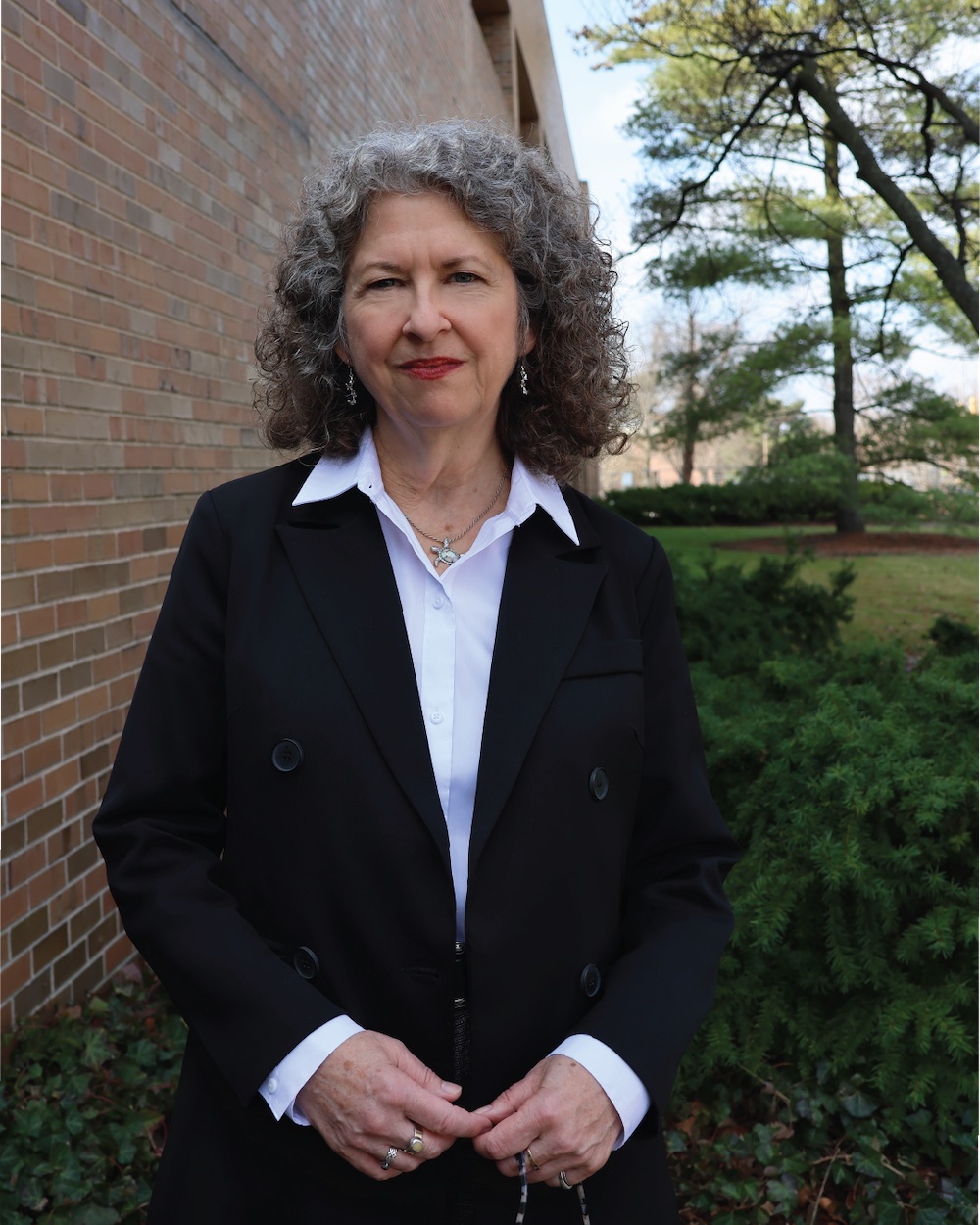
“We need more DCWs, but we also want competent DCWs who know how to provide support safely and with respect and who like their job and plan to stay in it,” Luz said. “Evidence clearly shows that a stable, trained, professional direct care workforce can result in higher worker satisfaction, lower turnover rates and better health outcomes including fewer falls and emergency department visits.”
Luz further explained the importance of addressing all reasons for the shortage simultaneously as they are deeply interconnected. Michigan is now positioned to successfully do this thanks to a strong network of leaders from across the state including a statewide DCW Advisory Committee, co-chaired by Luz, that has been meeting regularly since 2020. Together, they have made progress including raising pay rates, establishing competency guidelines for DCWs, pursuing credentials and developing a set of Michigan-specific recommendations for action. The network has stakeholder representation from across all supports and services settings, programs and populations served.
Administered to MSU by the Michigan Department of Health and Human Services, the grant utilizes funds through the state’s Home and Community Based Services Spending Plan, which is supported by the federal American Rescue Plan Act. The grant will be guided by a four-point plan that focuses on establishing a/an:
- DCW training and credentialing program, trainer and supervisor training, apprenticeship program, set of new recruitment strategies to reach nontraditional populations and career success models to improve recruitment and retention.
- Marketing/job placement plan to support a DCW public awareness and recruitment campaign.
- Worker retention and supportive technology fund that will assist providers with childcare, tuition and transportation assistance and new technologies to allow people to receive basic services remotely.
- Evaluation component to determine program impacts and outputs at the one-year mark and identify specific areas for quality improvements that can be implemented the following year.
“Strengthening the direct care workforce has been a focus of the state for several years,” said Elizabeth Hertel, MDHHS director. “These dedicated individuals assist with daily tasks that enhance the quality of life for those they serve including personal care, household and clinical tasks and even companionship. We look forward to the Direct Care Career Center helping increase the number of workers in the state.”
Luz believes that by bringing these coordinated, strategic efforts together, the Direct Care Career Center will be established, and Michigan will not only make unprecedented strides toward successfully addressing the DCW shortage but will also serve as a model for the nation.
“Other states are taking notice,” Luz said. “What is happening in Michigan is exciting and something to be proud of.”
To ensure this initiative meets the variety of needs of Michigan residents and addresses the gaps in direct care, IMPART Alliance partners with more than 100 organizations around the state.
The future of care for older adults and those living with illnesses and disabilities depends on high-quality, in-home, personal care, said David LaLumia, executive director of the Area Agencies on Aging Association of Michigan.
“Creating a career center for direct care workers is an important step in improving quality of care and professionalizing this essential workforce,” LaLumia said. “Area Agencies on Aging strongly support the leadership of the IMPART Alliance in developing a training program leading to direct care worker certification. The program will professionalize this workforce at a time when recruiting and retaining direct care workers is the number one challenge facing Area Agencies on Aging and community-based health and human services organizations across the state and nation.”
Read more news from the IMPART Alliance here.

