Jump to HeaderJump to Main ContentJump to Footer
Michigan State University
MSUTODAY
  • Browse Stories By

    Topics

    Explore stories by subject area

    • Arts and Culture
    • Business and Economy
    • Climate and Environment
    • Education and Learning
    • Engineering, Science and Technology
    • Government and Society
    • Health and Medicine
    • Media and Communications
    • MSU Leadership and Impact
    • Sports and Recreation
    • Student and Campus Experience
    View All Stories

    Collections

    Curated story series

    • Alumni stories
    • Turfgrass
    • Ask the Expert
    • Big Ideas
    • Climate solutions
    • Water at MSU
    • Mobility
    • Spartan Perspectives
    • Student views
    • Graduate voices
    • Faculty voices
    View All Collections

    Featured

    Editor's picks

    • 9 reasons to love being a Spartan

      Aug. 28, 2026

      9 reasons to love being a Spartan

    • NIH awards multi-university team over $4M to improve women’s health

      Sept. 15, 2026

      NIH awards multi-university team over $4M to improve women’s health

MSUTODAY
  • Browse Stories By

< Browse Stories By

Topics

Explore stories by subject area

  • Arts and Culture
  • Business and Economy
  • Climate and Environment
  • Education and Learning
  • Engineering, Science and Technology
  • Government and Society
  • Health and Medicine
  • Media and Communications
  • MSU Leadership and Impact
  • Sports and Recreation
  • Student and Campus Experience
  • View All Stories

Collections

Curated story series

  • Alumni stories
  • Turfgrass
  • Ask the Expert
  • Big Ideas
  • Climate solutions
  • Water at MSU
  • Mobility
  • Spartan Perspectives
  • Student views
  • Graduate voices
  • Faculty voices
  • View All Collections

Featured

Editor's picks

  • 9 reasons to love being a Spartan

    Aug. 28, 2026

    9 reasons to love being a Spartan

  • NIH awards multi-university team over $4M to improve women’s health

    Sept. 15, 2026

    NIH awards multi-university team over $4M to improve women’s health

  • For Media
  • Experts
  • Releases and Statements
  • Sign Up
  • Update Information

Resources

  • A to Z Index
  • Find People
  • Maps
  • Email
  • Student Information System (SIS)
  • D2L
  • Libraries
  • Tech Support
  • MSU Misconduct Hotline
  • Social Media Directory
  • Events Calendar
  • For Media
Michigan State University
MSUToday
  • For Media
  • Experts
  • Releases and Statements
  • Sign Up
  • Update Information
MSU Economic Impact

Aug. 16, 2023

Agricultural conservation practices and the impact on the Great Lakes

MSU researcher receives $1.2 million MDARD funding for continued water quality research

By: Justin Whitmore

For about two decades, annual algae blooms – fed primarily by nutrient runoff from sources like agricultural fields, animal facilities and wastewater treatment plants – have developed in the western portion of Lake Erie.
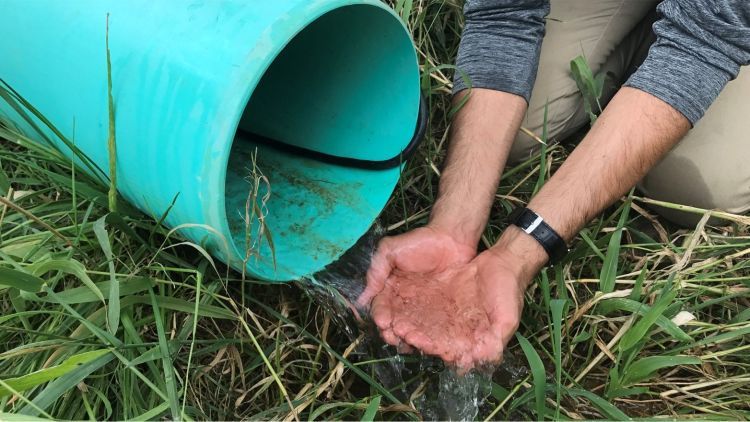
Water drains from a blue pipe onto a set of hands
 

Algal blooms occur when nutrients (primarily phosphorus in Lake Erie), warm water and adequate light create optimal growing conditions, producing visible colonies in ponds, lakes and other water bodies.

Some types of algal blooms, referred to as harmful algal blooms, or HABs, produce toxins that are harmful to human health and wildlife and threaten the water quality of the lakes. In the Western Basin of Lake Erie, blooms of blue green algae called cyanobacteria can produce toxins that can kill fish, mammals, birds, and can cause human illness.

According to a study by the National Oceanic and Atmospheric Administration, harmful algal blooms cause approximately $82 million annually in economic losses in fishing and tourism in the Great Lakes region.

Together with farmers and agricultural stakeholders across Michigan, and supported by partnerships with the Michigan Department of Agriculture and Rural Development and Michigan Department of Environment, Great Lakes, and Energy, MSU AgBioResearch scientist Ehsan Ghane is exploring practices he hopes will assist Michigan farmers in abiding by what he calls, “the golden rule of drainage – drain only what is necessary for crop production and not a drop more.”
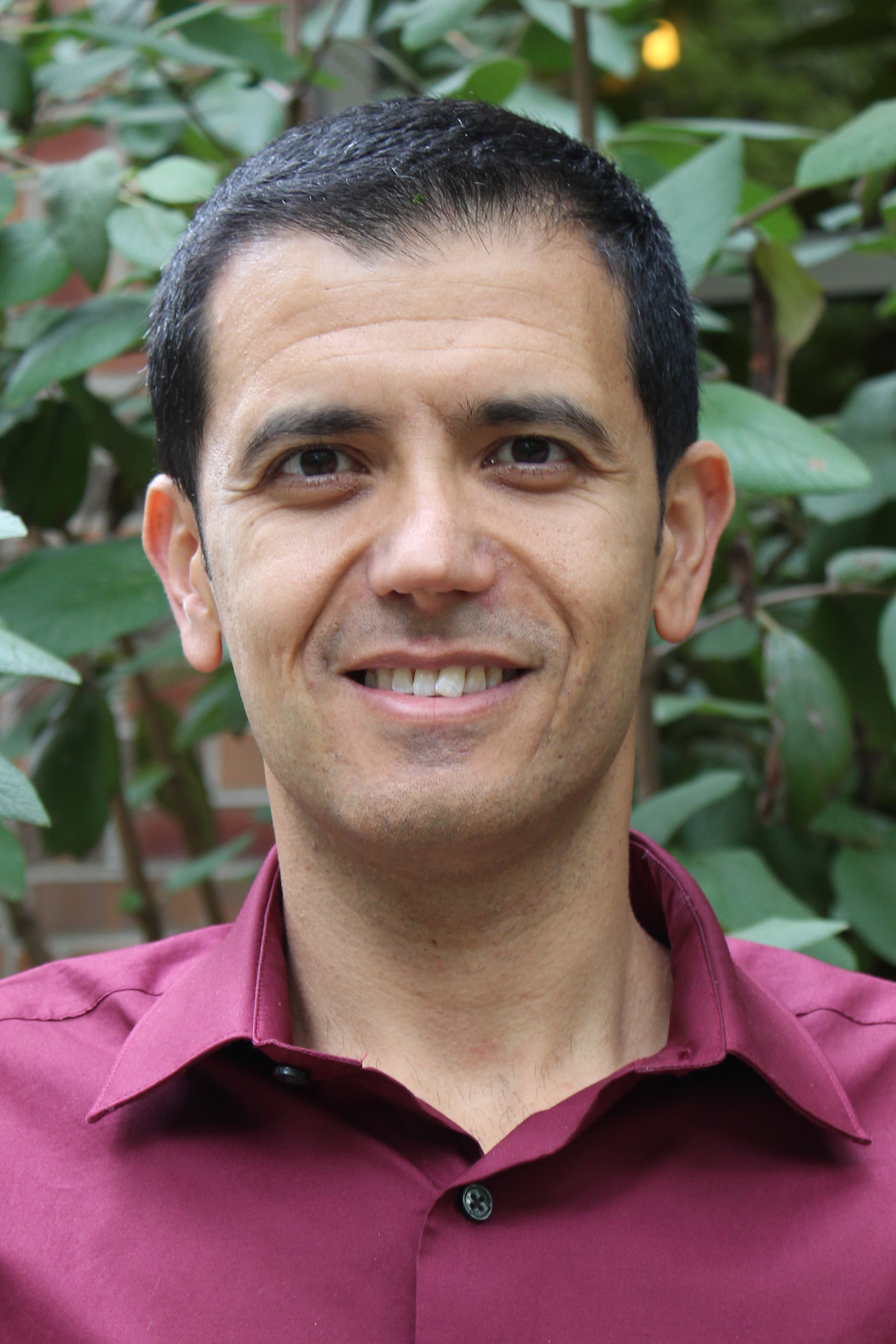
Ehsan Ghane
 

Ghane, associate professor and MSU Extension specialist in the Department of Biosystems and Agricultural Engineering, focuses his research and outreach efforts on agricultural water quality and quantity. His goal is educating stakeholders (e.g. producers, drainage contractors, crop advisors, conservation professionals and agency personnel) to increase the performance and profitability of subsurface drainage systems, while reducing harmful water-quality impacts.

Ghane and his research team recently received a $1.2 million grant from MDARD to continue a project called “Edge-of-Field” with the objective to investigate the effectiveness of conservation drainage practices.

“There is good understanding and best management practices around addressing the movement of surface runoff from farmland, but this is not so true for water moving through tile lines,” said MDARD Environmental Stewardship Division Director James Johnson. “The important research being done by Ehsan Ghane and his team at MSU is helping us to better understand tile-line movement of nutrients in water. This will allow for the development of a best management plan that advocates for drainage control structures, as well as a management system for controlling the release of water from those structures.”

ESD plans to use information gleaned from the study to develop farmer education to better control nutrient and water releases in the short term, and ultimately use these plans as part of the Michigan Agriculture Environmental Assurance Program verification process, Johnson added. 

The grant will fund continued data collection and management implementation on three partner farms in the River Raisin Watershed. Ghane’s project is testing the effectiveness of two types of water management systems – controlled drainage and saturated buffers – to see how they are best implemented and how much phosphorus can be reduced and kept out of surface water.

“We want to show how effective these practices are and show farmers how beneficial they are, so we can encourage people to implement them. We eventually want farmers to adopt these practices voluntarily to improve water quality and their crop yield,” Ghane said.

To read more, visit the AgBioResearch website.

MSU Economic ImpactMSU Leadership and ImpactMSU Economic ImpactAgricultural Sciences and FarmingClimate and Environment

Latest News

MSUToday Weekly Update

The MSUToday Weekly Update email showcases how Spartans are making a difference through academic excellence, research impact and community outreach. Get inspired by these stories of innovation, collaboration and determination. Plus, enjoy photos and videos of campus and more MSU content to help keep you connected to the Spartan community.

Sign UpUpdate My Information

Connect With Us

Visit our Facebook pageVisit our page on XVisit our Instagram pageVisit our LinkedIn pageVisit our YouTube pageVisit our TikTok page

Health and Safety

  • MSU Police and Public Safety
  • Olin Health Center
  • Counseling & Psychiatric Services (CAPS)
  • University Health and Wellbeing
  • MSU Health Care
  • Civil Rights and Title IX
  • Our Commitment
  • Center for Survivors
  • Security & Fire Safety Report
  • University Policy on Relationship Violence and Sexual Misconduct
  • Notice of Non-Discrimination, Anti-Harassment and Non-Retaliation
  • Health Care Non-Discrimination Notice

Support Services

  • Disability Resources
  • Supportive Services
  • Learning Resources

Working at MSU

  • Human Resources
  • EBS Login
  • Job Postings
  • Employee Assistance Program

Reports

  • CARES Act Funding
  • Student Achievement and Outcomes

Contact us

517-355-1855

Address

Michigan State University 426 Auditorium Road East Lansing, MI 48824

Follow Us

  • Visit our Facebook page
  • Visit our page on X
  • Visit our Instagram page
  • Visit our TikTok page
  • Visit our LinkedIn page
  • Visit our YouTube page

If you're having accessibility issues, please let us know.

Know More: Campus Safety Information and ResourcesTransparency Reporting: Budget & Salary/Compensation
  • Contact Information|
  • Site Map|
  • Privacy Statement|
  • Site Accessibility|
  • Call MSU: (517) 355-1855|
  • Visit: msu.edu|
  • Notice of Nondiscrimination|

SPARTANS WILL|© Michigan State University|
