Jump to HeaderJump to Main ContentJump to Footer
Michigan State University
  • Browse Stories By

    Topics

    Explore stories by subject area

    • Arts and Culture
    • Business and Economy
    • Climate and Environment
    • Education and Learning
    • Engineering, Science and Technology
    • Government and Society
    • Health and Medicine
    • Media and Communications
    • MSU Leadership and Impact
    • Sports and Recreation
    • Student and Campus Experience
    View All Stories

    Collections

    Curated story series

    • Turfgrass
    • Ask the Expert
    • Big Ideas
    • Climate solutions
    • Water at MSU
    • Mobility
    • Spartan Perspectives
    • Student views
    • Graduate voices
    • Faculty voices
    View All Collections

    Featured

    Editor's picks

    • The Spartans behind your favorite Michigan golf courses

      July 22, 2026

      The Spartans behind your favorite Michigan golf courses

    • MSU in the 1990s: 10 Spartan milestones

      July 14, 2026

      MSU in the 1990s: 10 Spartan milestones

MSUTODAY
  • Browse Stories By

< Browse Stories By

Topics

Explore stories by subject area

  • Arts and Culture
  • Business and Economy
  • Climate and Environment
  • Education and Learning
  • Engineering, Science and Technology
  • Government and Society
  • Health and Medicine
  • Media and Communications
  • MSU Leadership and Impact
  • Sports and Recreation
  • Student and Campus Experience
  • View All Stories

Collections

Curated story series

  • Turfgrass
  • Ask the Expert
  • Big Ideas
  • Climate solutions
  • Water at MSU
  • Mobility
  • Spartan Perspectives
  • Student views
  • Graduate voices
  • Faculty voices
  • View All Collections

Featured

Editor's picks

  • The Spartans behind your favorite Michigan golf courses

    July 22, 2026

    The Spartans behind your favorite Michigan golf courses

  • MSU in the 1990s: 10 Spartan milestones

    July 14, 2026

    MSU in the 1990s: 10 Spartan milestones

  • For Media
  • Experts
  • Releases and Statements
  • Sign Up
  • Update Information

Resources

  • A to Z Index
  • Find People
  • Maps
  • Email
  • Student Information System (SIS)
  • D2L
  • Libraries
  • Tech Support
  • MSU Misconduct Hotline
  • Social Media Directory
  • Events Calendar
  • For Media
Michigan State University
MSUToday
  • For Media
  • Experts
  • Releases and Statements
  • Sign Up
  • Update Information
MSUTODAY
Agricultural Sciences and Farming

July 21, 2023

Student view: Elevating migrant farmworker history

Alyssa Tarrant is a doctoral candidate in the Department of Horticulture in the College of Agriculture and Natural Resources. Tarrant developed an online module to provide a perspective on farmworker labor history and issues to help inform Michigan’s horticulture industry.
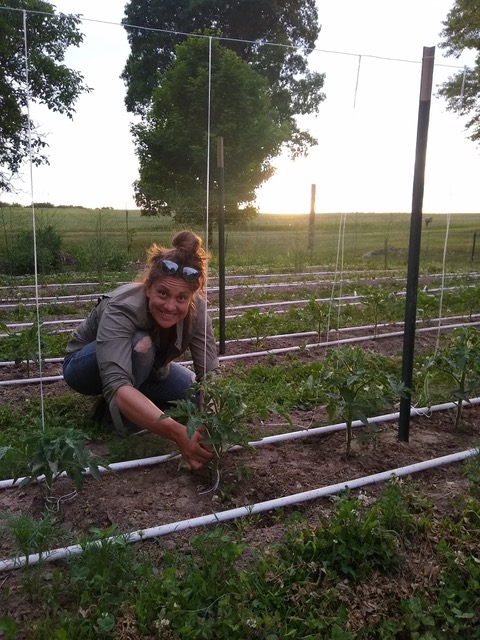
Alyssa Tarrant gardening
 

I get goosebumps in the produce aisle at the grocery store. This started in the first semester of my graduate program in the Department of Horticulture after learning that many of the fruits and vegetables stocking the shelves are hand-harvested. Farmworkers are the reason Meijer is a constant cornucopia. But when farmers are the primary stakeholders in the research done at land-grant institutions and it’s their perspective that dominates in the classroom, the role of farmworkers in fruit and vegetable production is reduced to an economic bottom line — referenced only as “labor costs.” 

This framing isn’t surprising. Throughout my graduate work, farmers have commonly named labor as their biggest challenge — it is hard to find and increasingly too expensive. Hearing this repeated over the past six years on farm visits and at grower meetings, I began to wonder when farm labor became such a highly cited problem in Michigan horticulture. Spurred by my curiosity and supported by the abundant resources available through MSU Libraries, I began trying to answer this question. 

I found that farm labor woes are as old as Michigan horticulture, starting with the introduction of sugar beets in the late 1800s. At the time, sugar beets were a labor-intensive crop, requiring more people to plant, weed and harvest than was available on a family farm. Having invested heavily in processing facilities, sugar beet industrialists started recruiting migrant farmworkers to help farmers cultivate a profitable crop. But the strenuous nature of sugar beet farming made it hard to keep workers in the field, so recruiting efforts were continually adapted to target new populations and leverage changing immigration policy. As the sugar beet industry mechanized cultivation, their reliance on workers waned. Many of those farmworkers transitioned into Michigan’s fruit and vegetable industries, where they remain integral to the abundance many of us take for granted. 
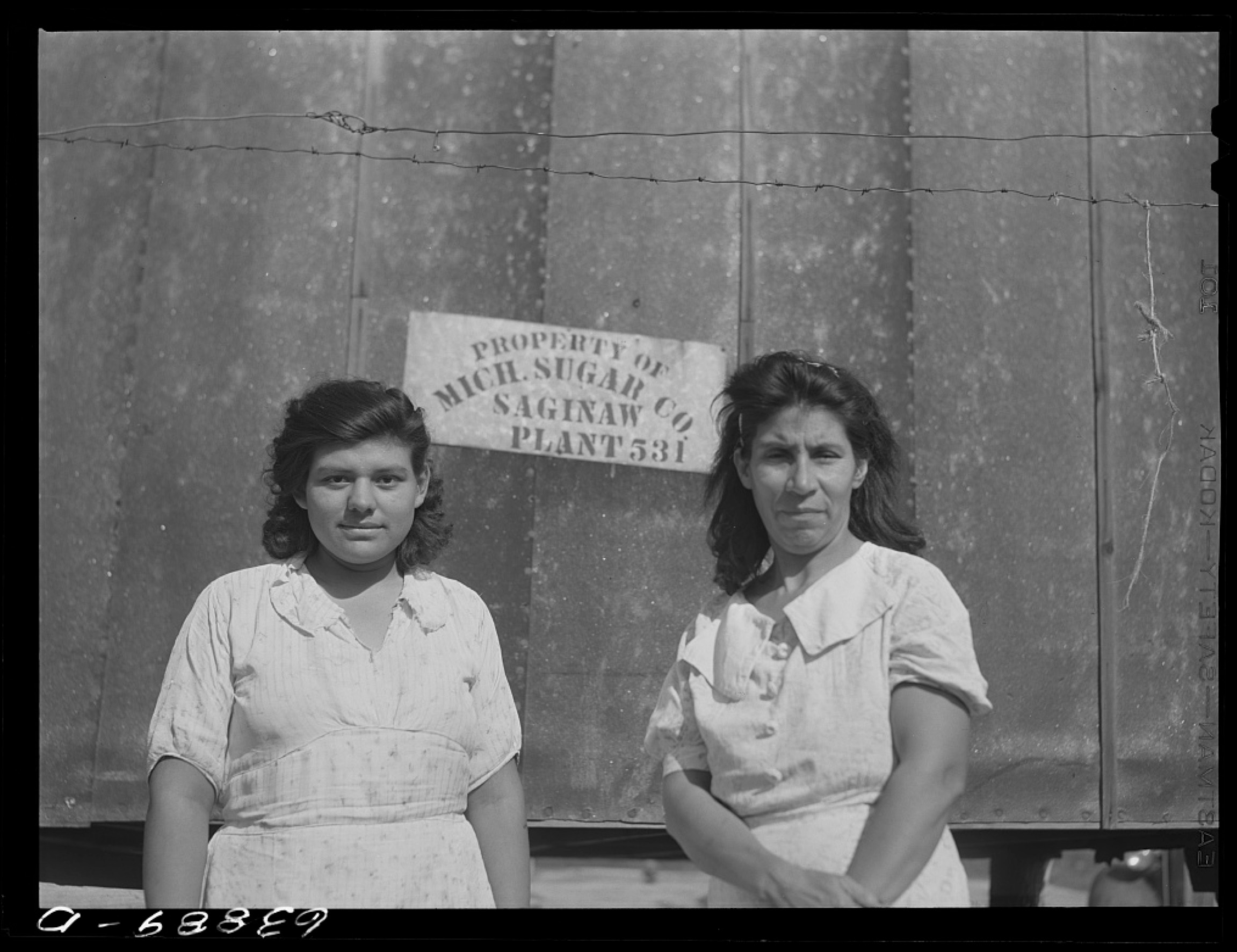
Two sugar beet farmworkers in Saginaw County. Photo accessed through the Library of Congress

Knowing the history of farmworkers in Michigan gives necessary perspective to understand current farmworker and farm labor issues in the state’s horticulture industry — something students will certainly encounter as horticulture professionals. However, this context was missing in our horticulture classes. Seeing this gap in our education, Maddy Braxton, a 2021 environmental studies and sustainability graduate, and I co-developed an online module for the undergraduate vegetable production course exploring the history of Michigan farmworkers, current farmworker challenges and proposed solutions to farm labor shortages. 

The module continues to be used as part of the curriculum in the undergraduate vegetable production course HRT 341. My hope is that the lesson plan broadens the stakeholder perspectives MSU Horticulture students are exposed to, so as professionals in the industry, they are better able to consider farm labor from multiple viewpoints, not just from farmers’ point of view. 
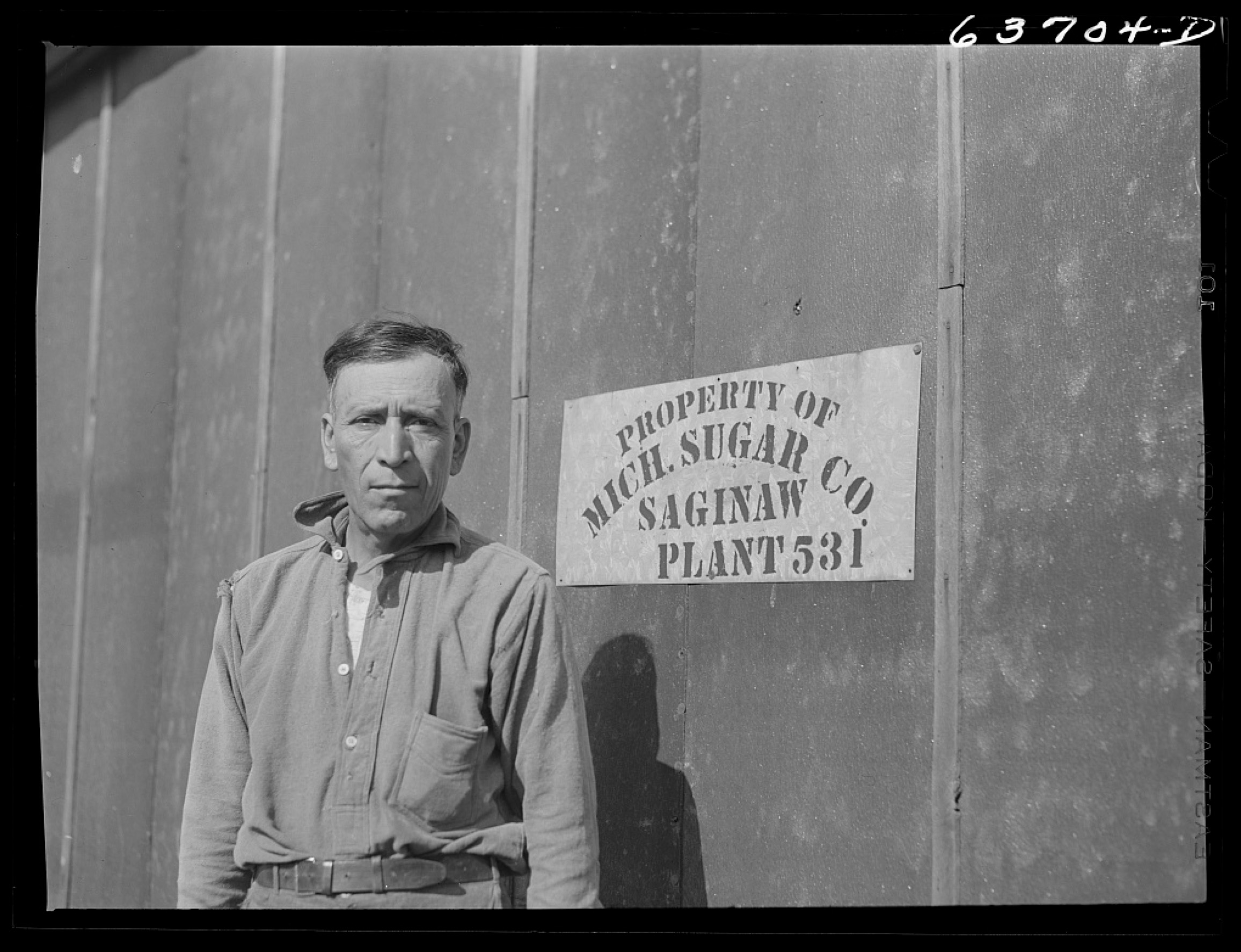
Sugar beet farmworker in Saginaw County. Photo accessed through the Library of Congress
 

We designed the module to be easily adaptable in hopes that this context could be integrated into other MSU curricula as well. The module isn’t comprehensive, but serves as a starting point for Spartans to continue building on. And as I receive feedback on the module, I update it accordingly. But as I near the end of my program in December 2023, I would love to pass it on as a living document to the next generation of Spartans! 

We hope this broader context provides a foundation for students to be able to grapple with the complexity of farmworker and farm labor issues. By understanding the root causes of these issues, and the systems and power structures that allow these perennial problems to persist, we can more thoughtfully and inclusively seek solutions that will benefit both Michigan farmers and farmworkers.

July is Migrant and Seasonal Farmworker Appreciation Month in Michigan. This month MSU is recognizing the experiences and contributions of migrant farmworkers and Latino/a farmers. Join our campus community in supporting the College Assistance Migrant Scholars Program.


MEDIA CONTACTS

Henry Mochida
Agricultural Sciences and FarmingClimate and EnvironmentEducation and Learning

Collection

more content from this collection

Student Views

Latest News

MSUToday Weekly Update

The MSUToday Weekly Update email showcases how Spartans are making a difference through academic excellence, research impact and community outreach. Get inspired by these stories of innovation, collaboration and determination. Plus, enjoy photos and videos of campus and more MSU content to help keep you connected to the Spartan community.

Sign UpUpdate My Information

Connect With Us

Visit our Facebook pageVisit our page on XVisit our Instagram pageVisit our LinkedIn pageVisit our YouTube pageVisit our TikTok page

Health and Safety

  • MSU Police and Public Safety
  • Olin Health Center
  • Counseling & Psychiatric Services (CAPS)
  • University Health and Wellbeing
  • MSU Health Care
  • Civil Rights and Title IX
  • Our Commitment
  • Center for Survivors
  • Security & Fire Safety Report
  • University Policy on Relationship Violence and Sexual Misconduct
  • Notice of Non-Discrimination, Anti-Harassment and Non-Retaliation
  • Health Care Non-Discrimination Notice

Support Services

  • Disability Resources
  • Supportive Services
  • Learning Resources

Working at MSU

  • Human Resources
  • EBS Login
  • Job Postings
  • Employee Assistance Program

Reports

  • CARES Act Funding
  • Student Achievement and Outcomes

Contact us

517-355-1855

Address

Michigan State University 426 Auditorium Road East Lansing, MI 48824

Follow Us

  • Visit our Facebook page
  • Visit our page on X
  • Visit our Instagram page
  • Visit our TikTok page
  • Visit our LinkedIn page
  • Visit our YouTube page

If you're having accessibility issues, please let us know.

Know More: Campus Safety Information and ResourcesTransparency Reporting: Budget & Salary/Compensation
  • Contact Information|
  • Site Map|
  • Privacy Statement|
  • Site Accessibility|
  • Call MSU: (517) 355-1855|
  • Visit: msu.edu|
  • Notice of Nondiscrimination|

SPARTANS WILL|© Michigan State University|