2023 marks an impressive milestone for an MSU icon and the oldest continuously operated university botanical garden in the United States — the W.J. Beal Botanical Garden is celebrating its 150th anniversary. The garden has connected generations of Spartans, providing a space for research and learning as well as enjoyment of and engagement with nature for all. For this special edition of the week in photos, we invite you to take a journey through Beal Botanical Garden, admiring its natural beauty and impressive growth over a century and a half on campus.
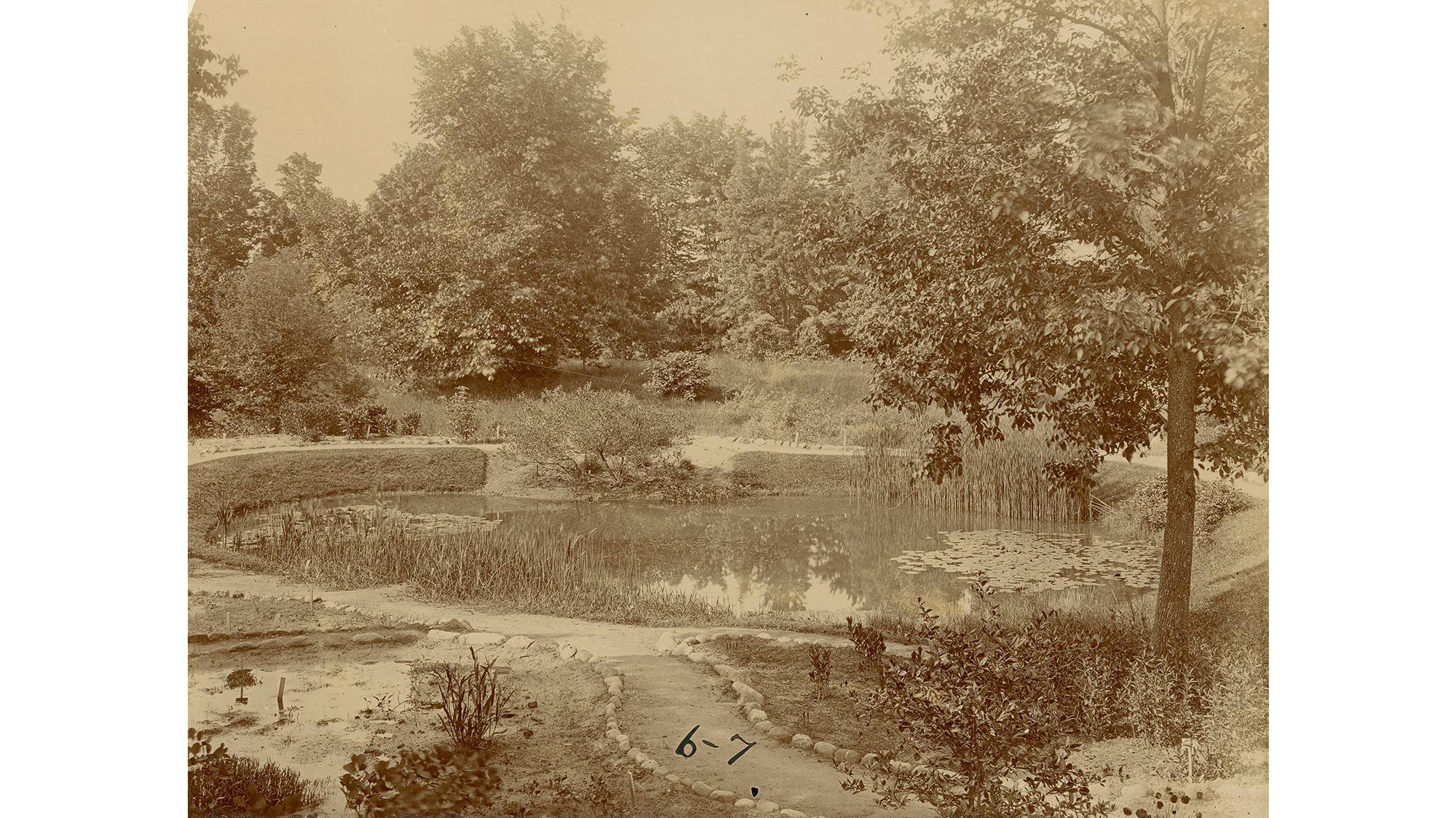
The garden quickly grew in both scope and splendor, adding thousands of native and non-native plant species from around the globe, peaking between about 2,200 to 2,300 species in 1905. In the wake of booming industrialization in the 1890s and beyond, Beal and his colleagues in the Departments of Botany and Forestry recognized the importance of places like the Beal Botanical Garden to preserve plant life, like that of rural Michigan, as the world around them rapidly changed. Photo courtesy of MSU Archives and Historical Collections.
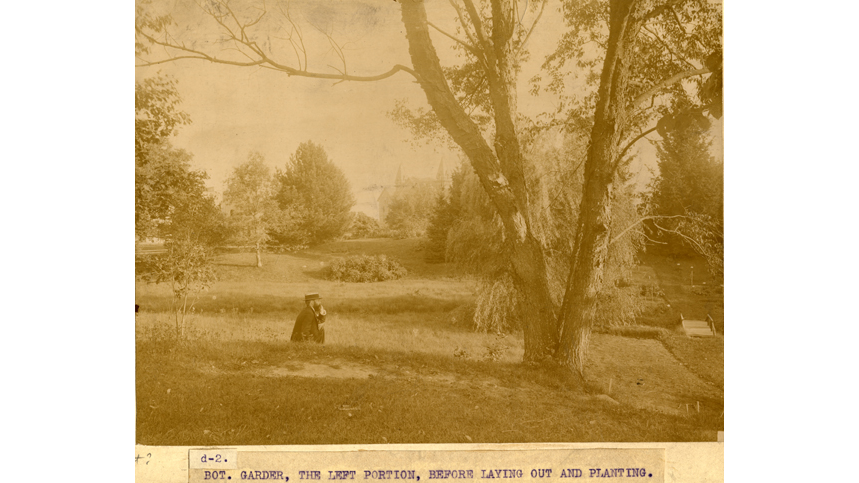
When professor William Beal arrived on campus in 1870, he quickly realized there was a need for a campus botanical garden. The first campus garden was established in Sleepy Hollow, a spot of land near present-day Beaumont Tower, in 1873. The garden was used primarily for teaching and consisted of 140 species of forage grasses and clovers. A nearby space, called the "the Wild Garden” or “the Botanic Garden”, would join Sleepy Hollow and be planted in 1877, initially including herbaceous dicotyledons, a group of weeds, a small pond and a low strip for a bog. This image shows the garden space in 1875, before it was cleared and planted. Photo courtesy of MSU Archives and Historical Collections.
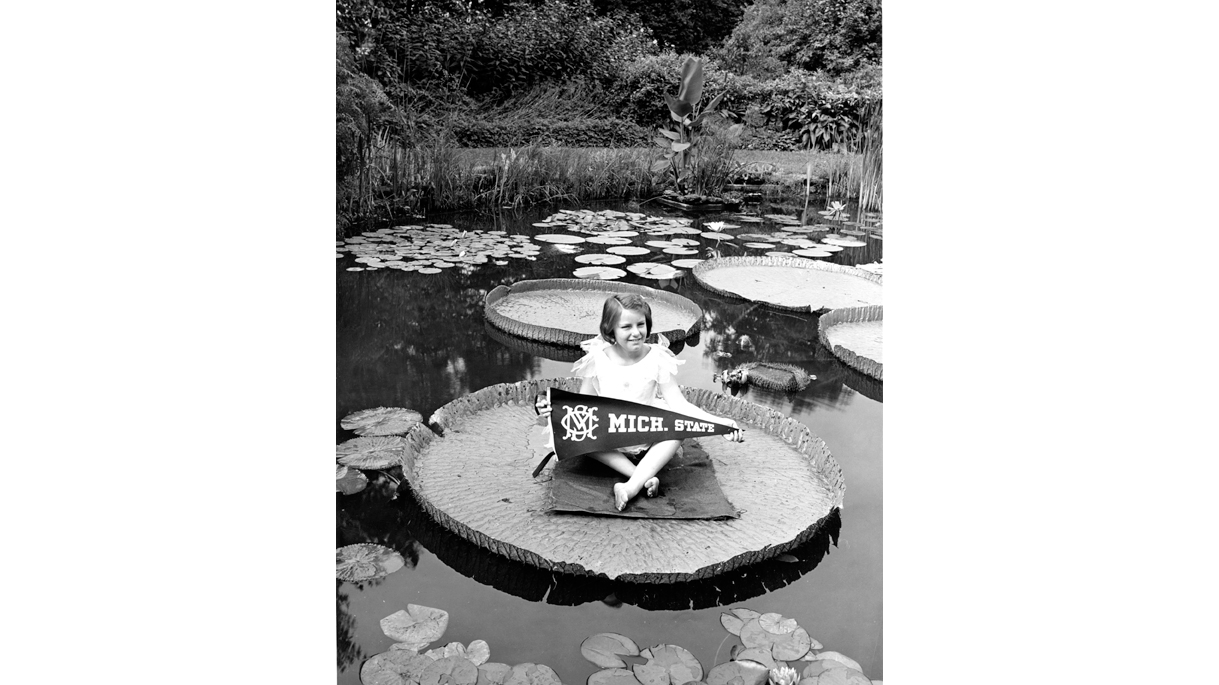
In 1938 or 2023, the garden has always held something for all ages to enjoy. Photo courtesy of MSU Archives and Historical Collections.
The ornamental gates of the Beal Botanical Garden, reminiscent of stalks of bamboo, welcome visitors and scholars alike. As it celebrates its sesquicentennial, it’s hard to imagine all the decades of Spartans who have relaxed in the garden, participated in research and learning experiences, or helped carefully cultivate the more than 2,000 plants from around the globe that make up the garden’s collection today. Photo by Derrick L. Turner.
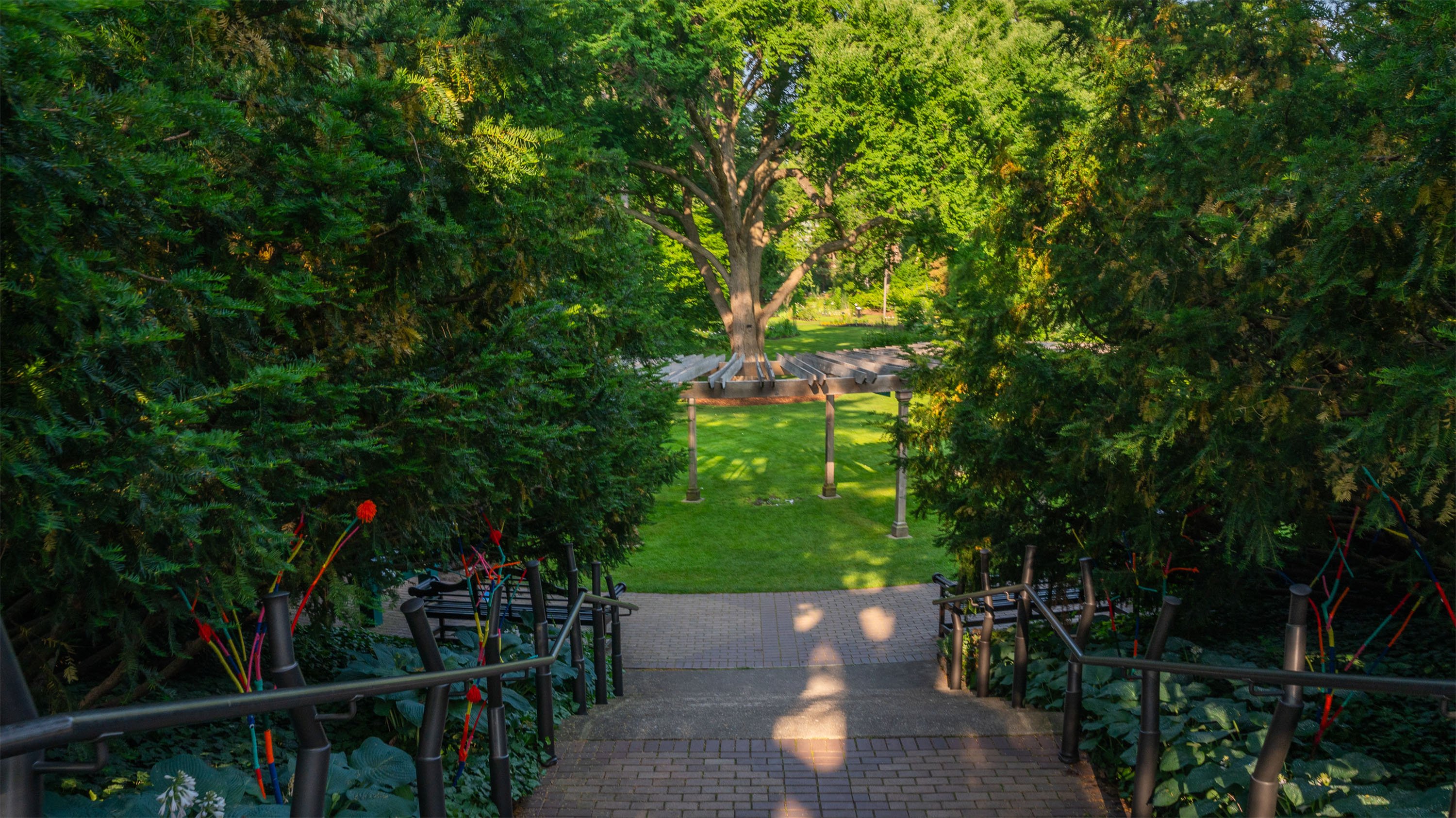
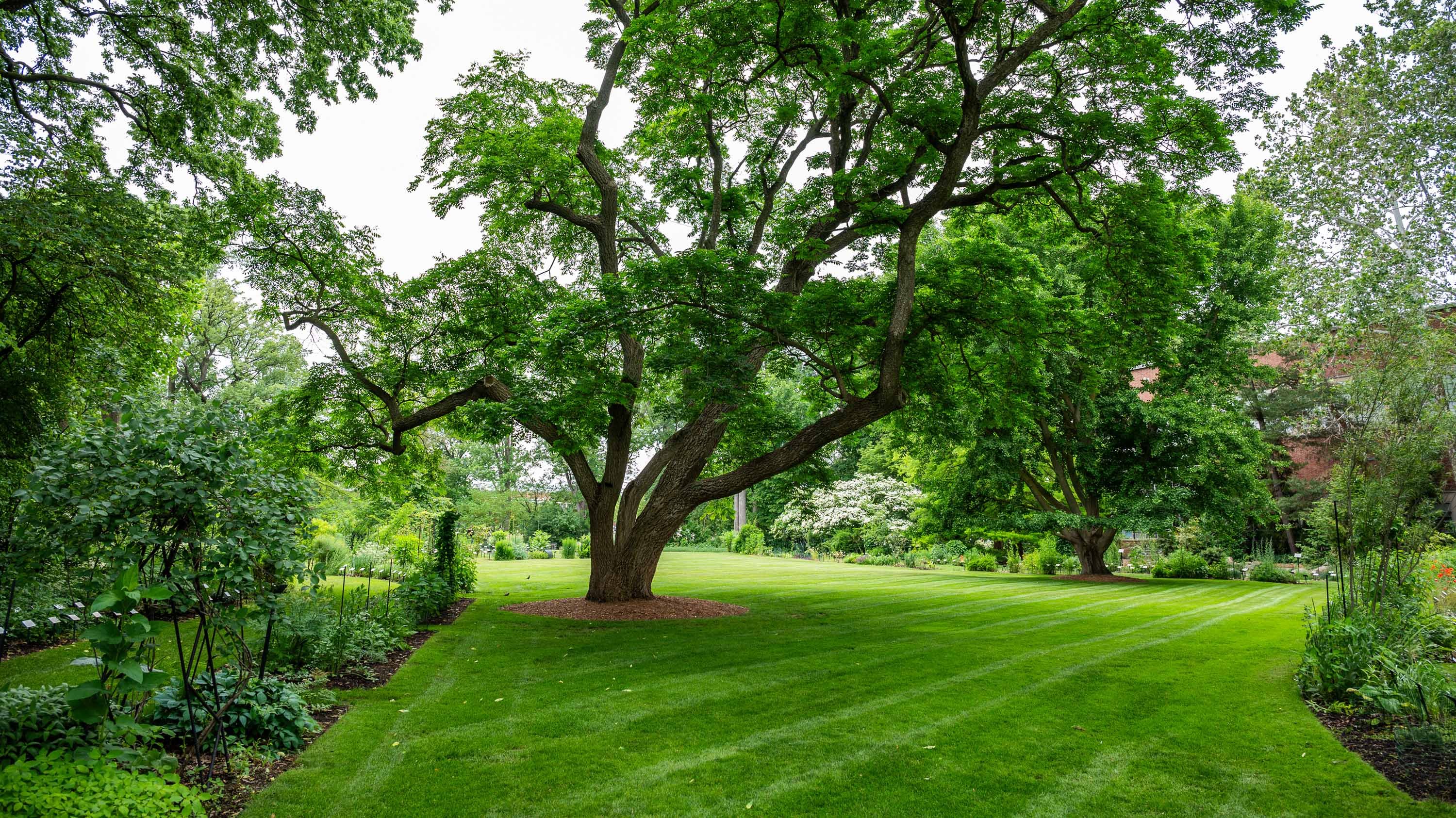
Though the garden has evolved through 150 years of growth, it has maintained a status of being one of the most beautiful places on campus. Photo by Derrick L. Turner.
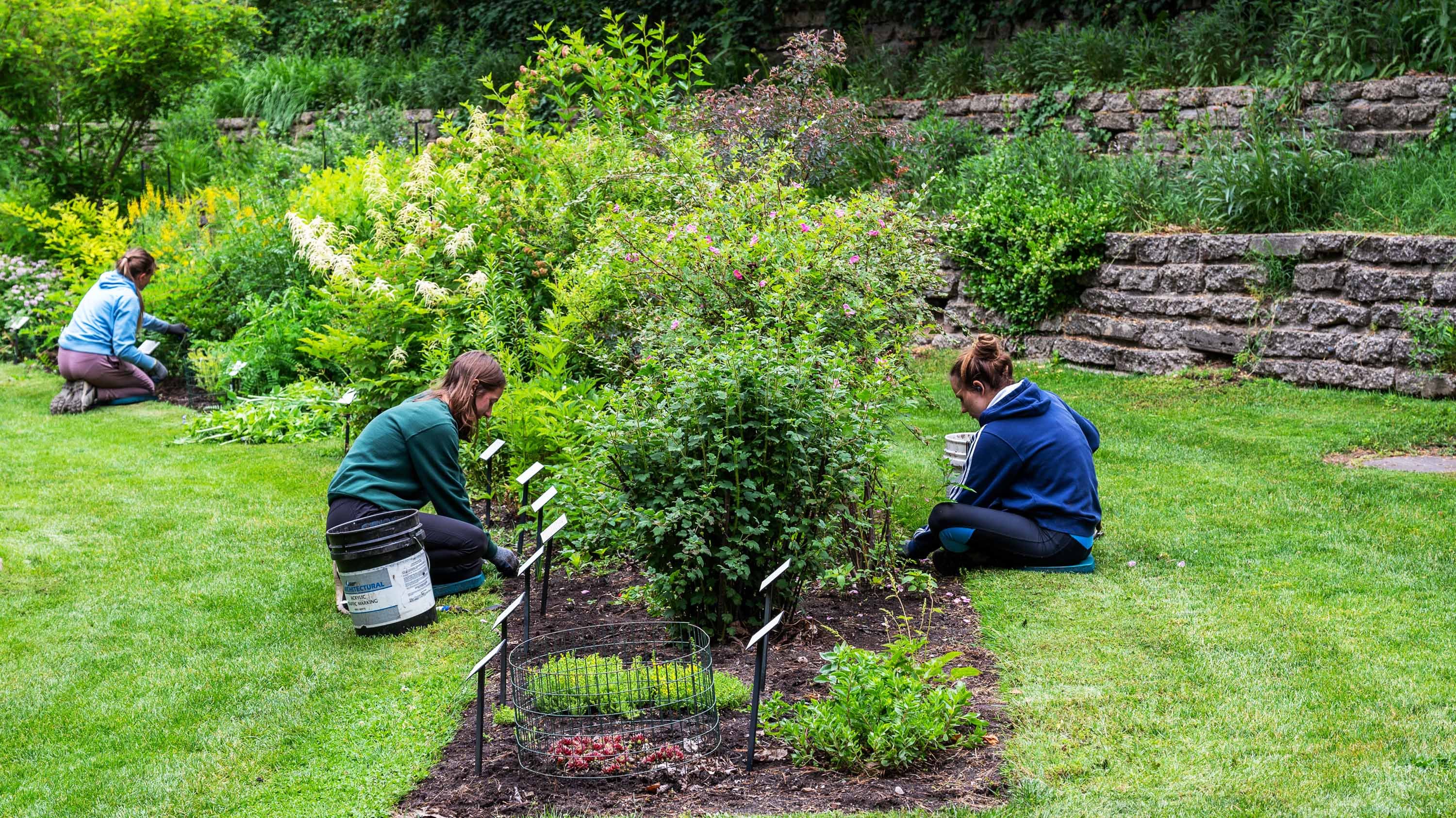
As the legacy of the Beal Botanical Garden continues, the spirit of the outdoor living laboratory has been kept alive by dedicated staff, faculty, students and volunteers, keeping the garden a beautiful and functional space for all to enjoy. Photo by Derrick L. Turner.
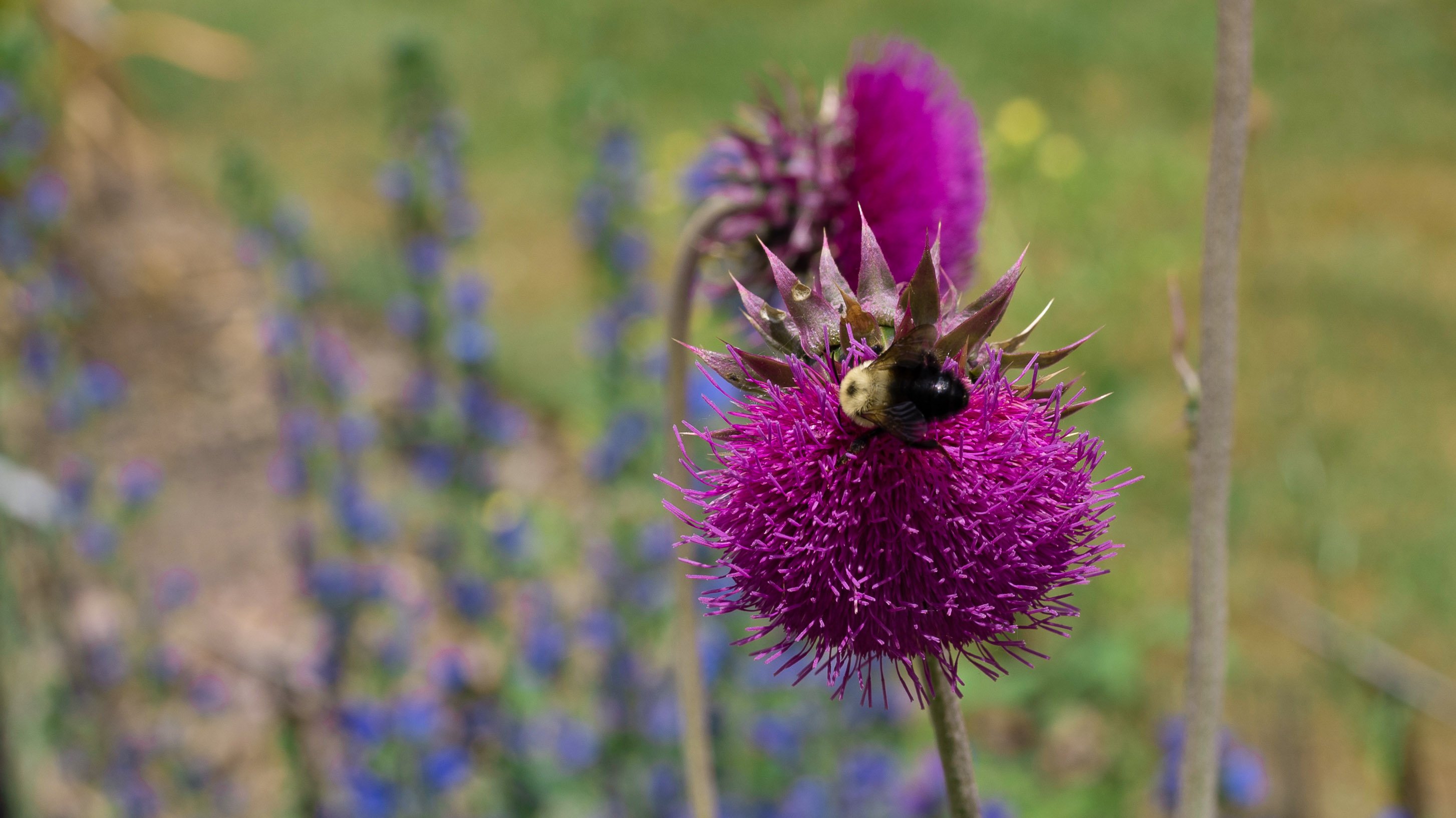
While the garden’s focus is on plant life, it also provides a home to a wealth of insects and animals, from frogs swimming in the pond to pollinators taking advantage of the garden’s bounty of flowers. Photo by Derrick L. Turner.
Though the garden has a relatively small footprint on MSU’s 5,200-acre campus, it is filled with boundless opportunities for new discovery. Beal Botanical Garden is offering a variety of programming this summer, including an anniversary tour and the annual Music and the Garden series. Photo by Derrick L. Turner.
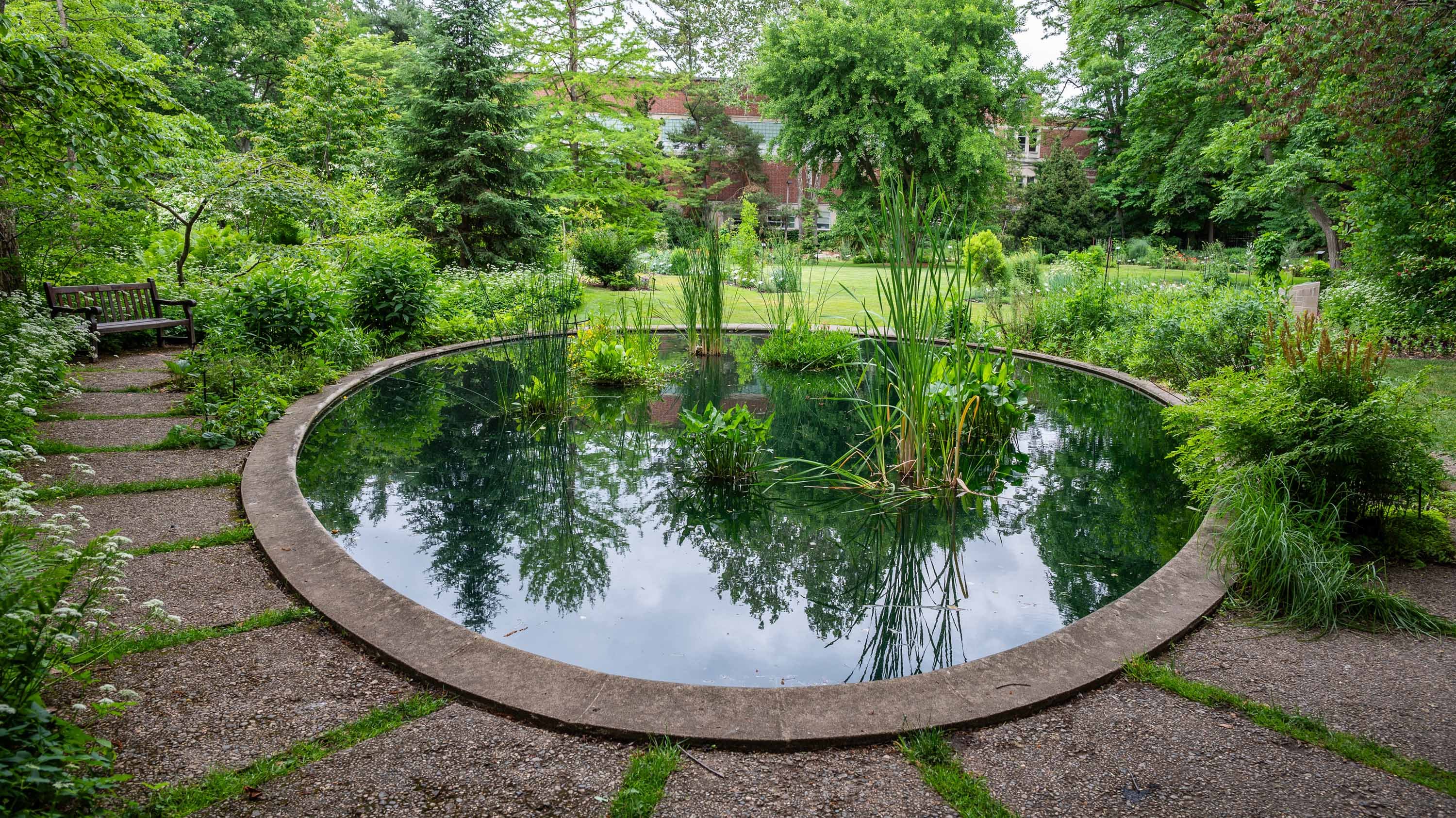
A circular pond lends to the garden’s sense of tranquility, providing a perfect spot to relax and reflect. Beal Botanical Garden offers several programs focused on wellbeing, including guided nature walks, yoga sessions and the “Nurture Your Roots” program, which invites the MSU community to find “Rooting Stations” around the garden that highlight the connection between wellbeing and nature. Photo by Derrick L. Turner.
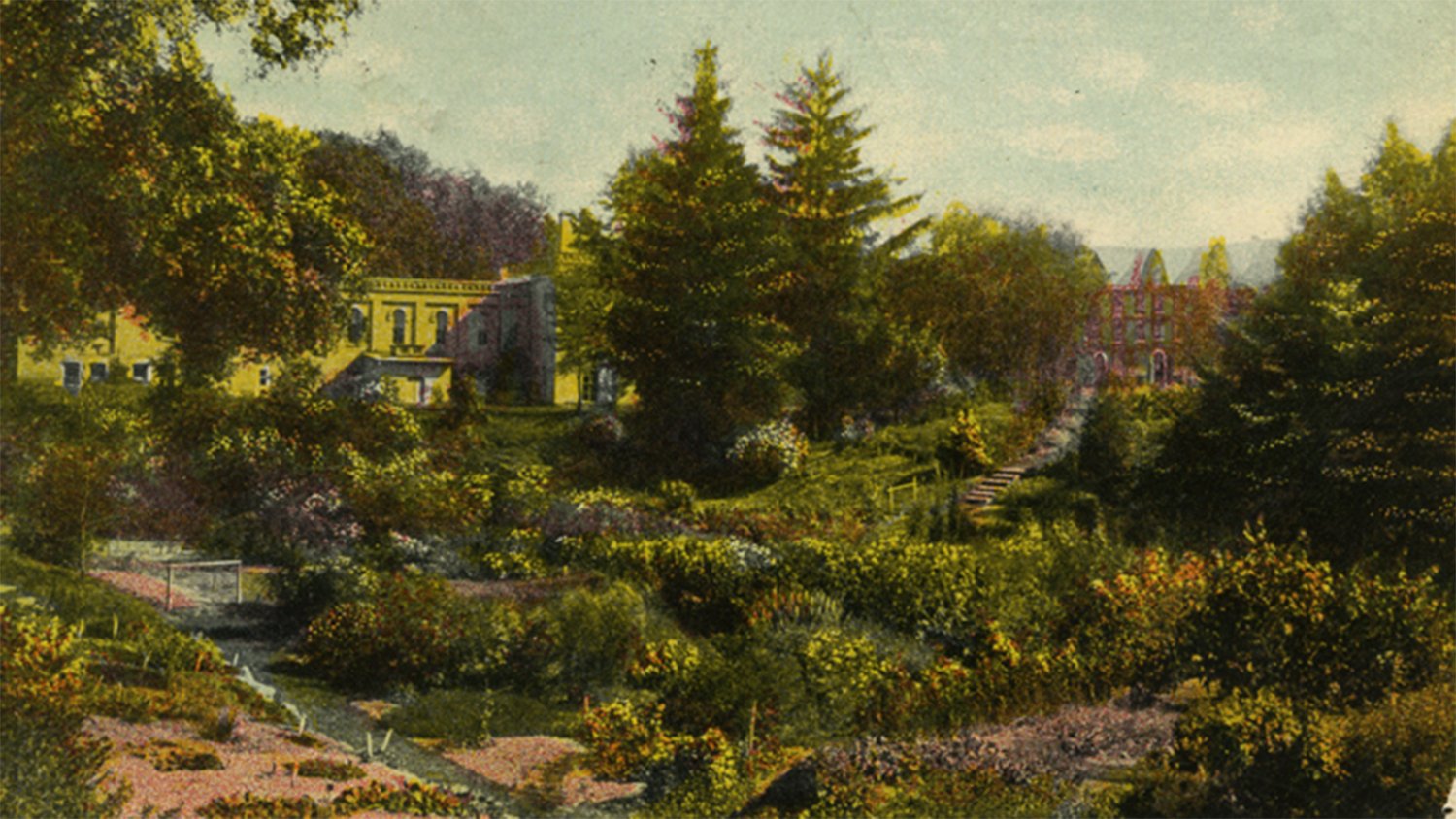
A postcard from 1910 shows what was still known as "the Wild Garden.” It would be given the name W.J. Beal Botanical Garden, in honor of its founder, in 1924. Photo courtesy of MSU Archives and Historical Collections.
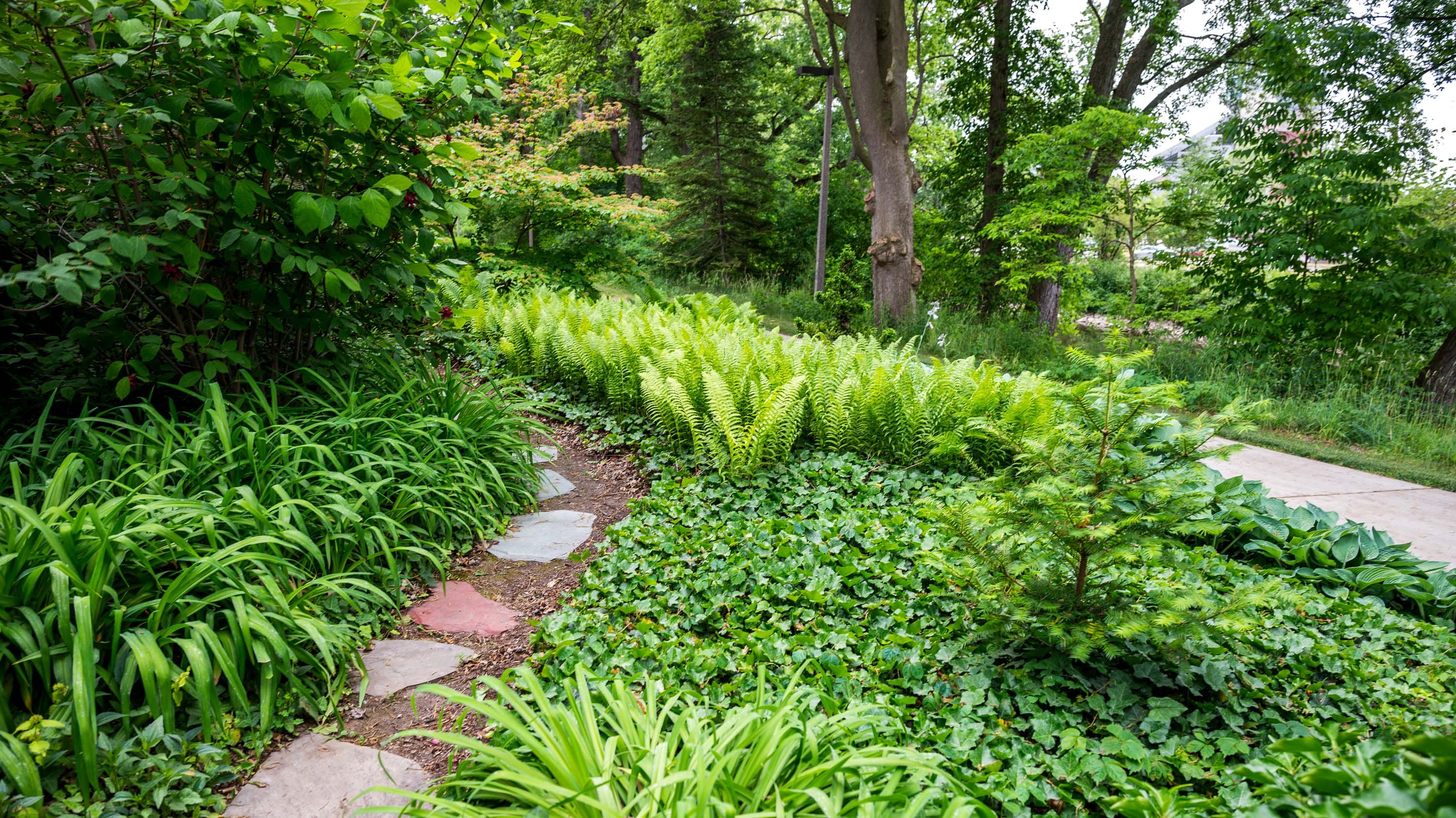
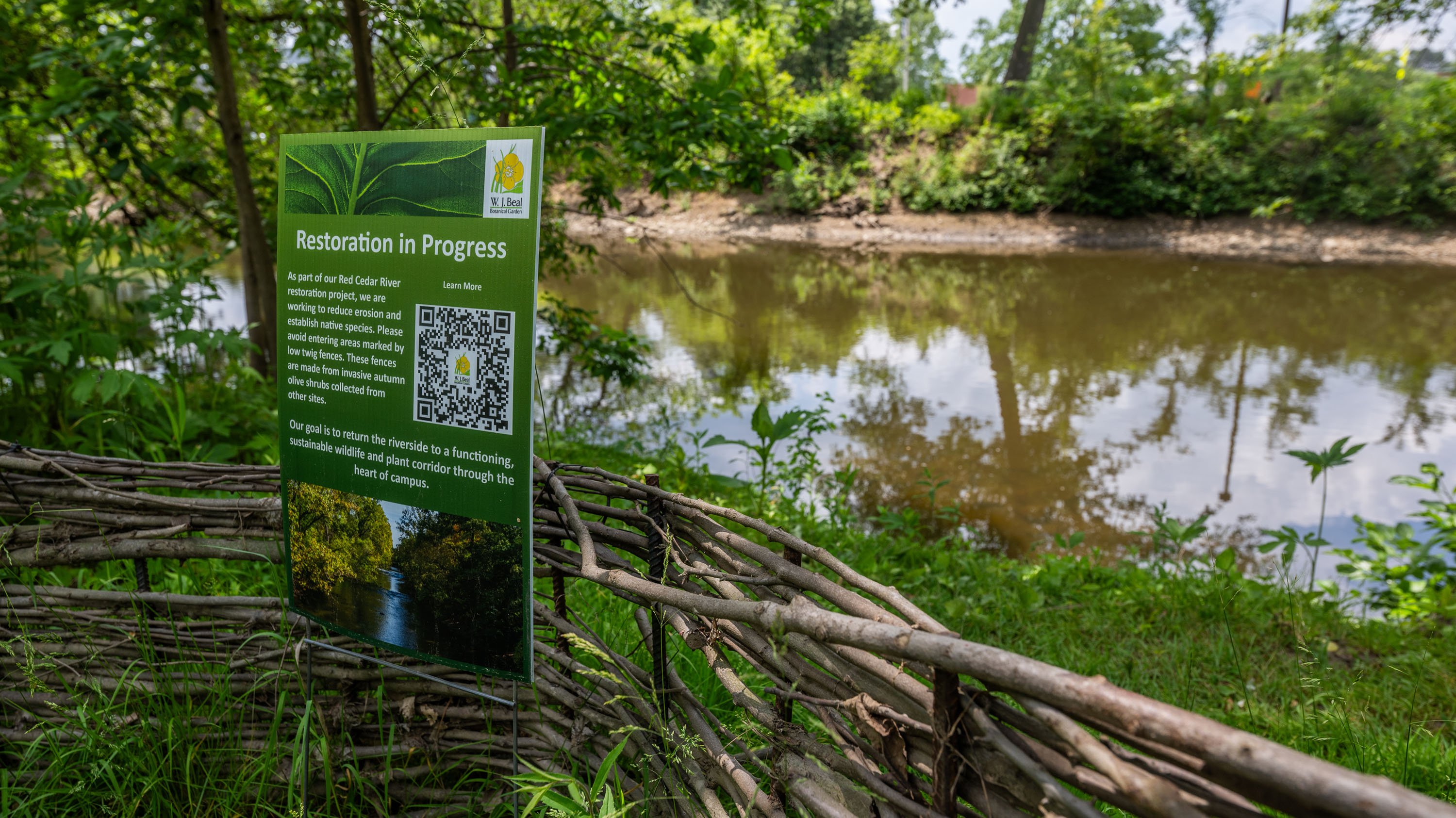
As we look to the future of the Beal Botanical Garden, maintaining the integrity of the riverbank it calls home is of the utmost importance. Efforts to reduce erosion and sustain wildlife in the heart of campus will help make sure that future generations of Spartans will be able to come together and enjoy the beautiful, living laboratory that we have admired, learned from and helped grow for the past 150 years. Photo by Derrick L. Turner.
The garden quickly grew in both scope and splendor, adding thousands of native and non-native plant species from around the globe, peaking between about 2,200 to 2,300 species in 1905. In the wake of booming industrialization in the 1890s and beyond, Beal and his colleagues in the Departments of Botany and Forestry recognized the importance of places like the Beal Botanical Garden to preserve plant life, like that of rural Michigan, as the world around them rapidly changed. Photo courtesy of MSU Archives and Historical Collections.
When professor William Beal arrived on campus in 1870, he quickly realized there was a need for a campus botanical garden. The first campus garden was established in Sleepy Hollow, a spot of land near present-day Beaumont Tower, in 1873. The garden was used primarily for teaching and consisted of 140 species of forage grasses and clovers. A nearby space, called the "the Wild Garden” or “the Botanic Garden”, would join Sleepy Hollow and be planted in 1877, initially including herbaceous dicotyledons, a group of weeds, a small pond and a low strip for a bog. This image shows the garden space in 1875, before it was cleared and planted. Photo courtesy of MSU Archives and Historical Collections.
01 / 11

