Climate change doesn’t just mean warmer weather. Cold spells can hit unusual lows, too, and the fluctuations between warm and chilly are becoming more extreme.
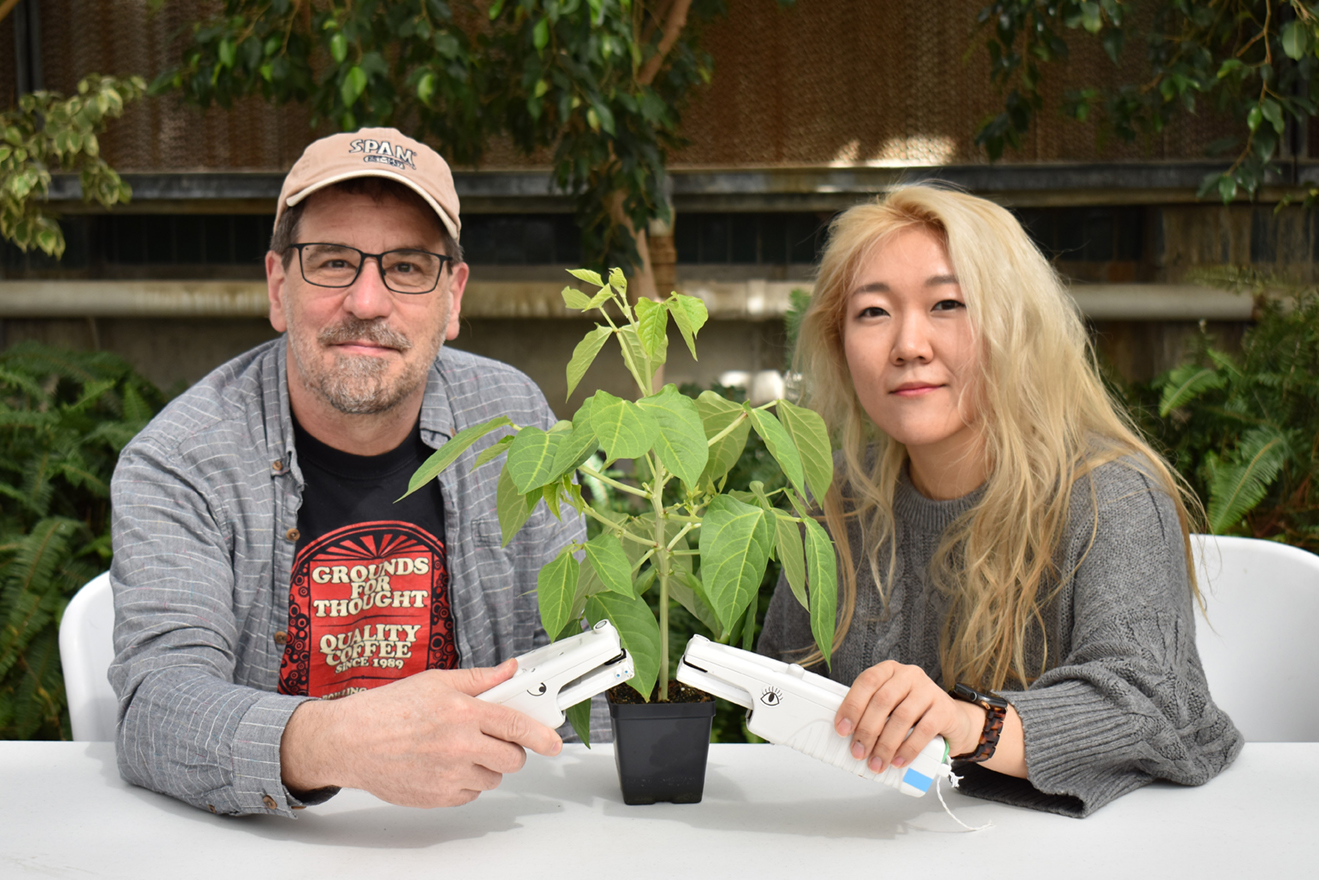
Even drops of a few degrees can be tough on growing plants. If temperature swings become too large for crops to endure, that means less food for the planet. That’s why researchers around the globe are working to build up plant resiliency.
Michigan State University’s David Kramer is interested in resilience as it relates to photosynthesis because the process by which plants are powered by the sun is particularly sensitive to temperature swings.
“One of the biggest questions right now is what the best ways are to make plants more tolerant. It’s something we need to solve because change is happening so fast,” said Kramer, a Hannah Distinguished Professor in the College of Natural Science at MSU. “We think nature has found a lot of solutions; we just need to figure out how they work.”
Kramer and his colleagues have now discovered one potential solution in a single fatty acid that has a profound impact on how different cowpea plants tolerate chilling. The researchers published their work online March 16 in the journal Plant, Cell & Environment.
This knowledge could one day help certain crops grow in more places, allowing them to tolerate a wider range of conditions. It also has the potential to help growers wanting to plant crops earlier so they can harvest before the most severe stresses from heat and pests in the summer.
That these possibilities stem from a single fatty acid came as a surprise.
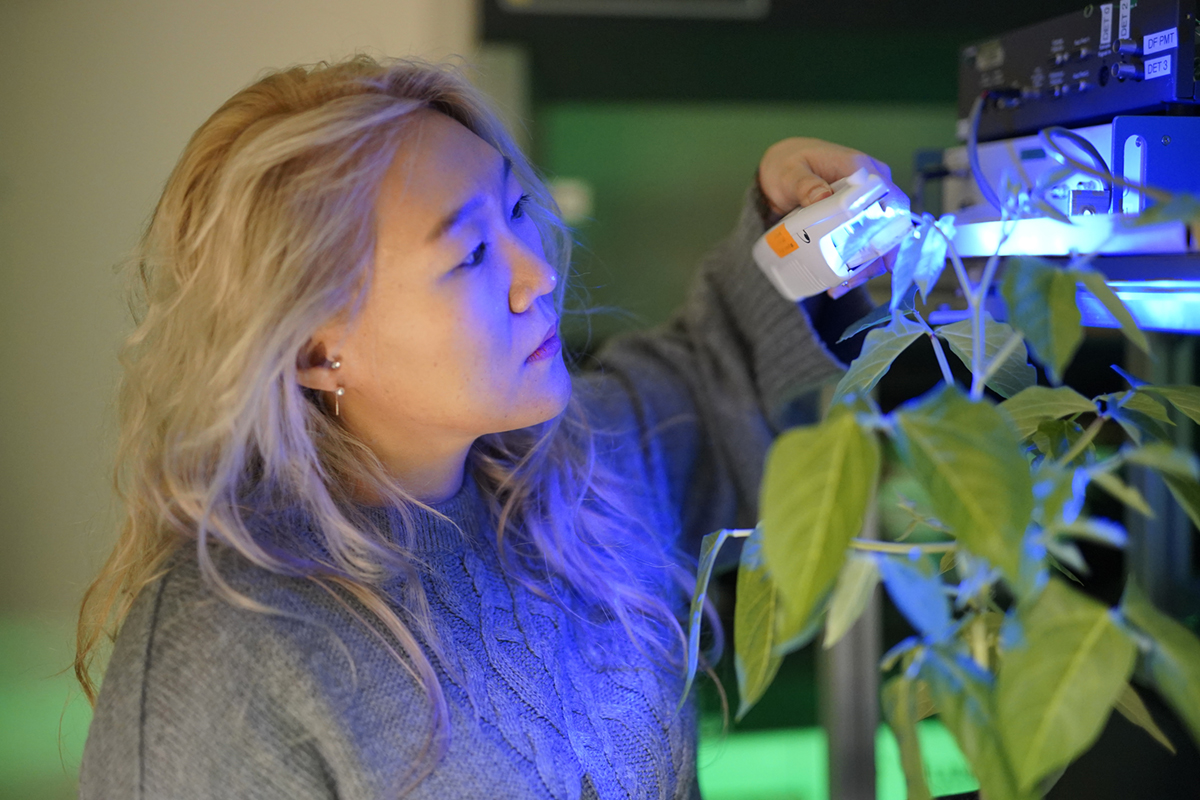
“We never expected that one fatty acid could be a major factor,” said the study’s first author, Donghee Hoh, a research associate in Kramer’s lab.
That’s because plants use a myriad of fatty acids to help regulate mission critical processes, notably photosynthesis.
“Scientists have been studying these fatty acids for decades and we still don’t know why nature makes so many of them,” said Kramer, who works in the MSU-DOE Plant Research Laboratory, which is supported by the U.S. Department of Energy.
Conventional wisdom held that it was probably the ratio of saturated fatty acids to unsaturated fatty acids in a plant’s chloroplasts that determined how a plant fared in declining temperatures.
So, the team was surprised to find a single “super fat” play such an important role, Hoh said. It turns out that plants with less of this fatty acid did better in lowering temperatures than plants with more of it.
To make this discovery, the team needed to make a lot of different measurements of a lot of different plants.
“One of the coolest things about our research is the approach itself, which is pretty different from traditional methods,” Hoh said.
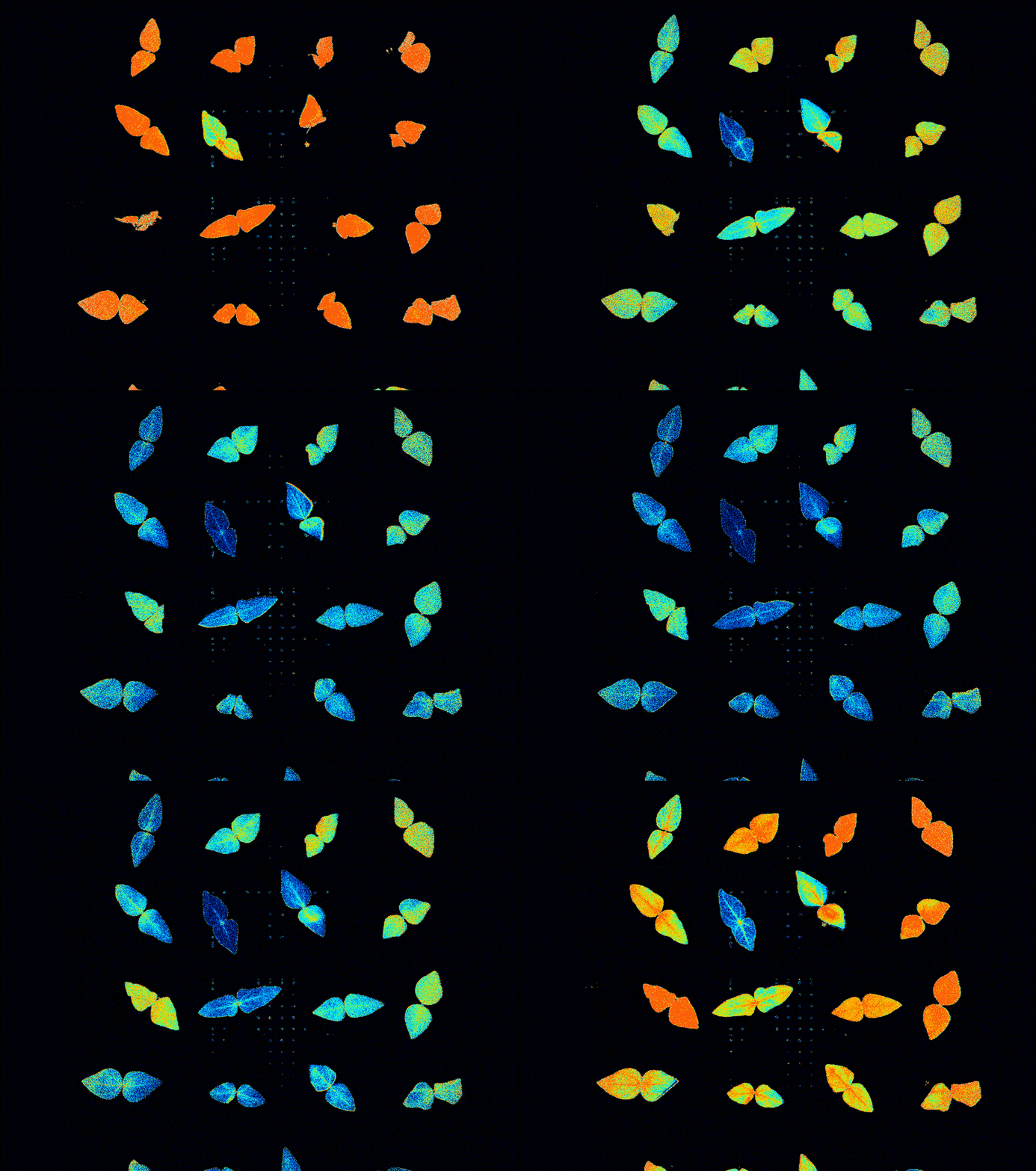
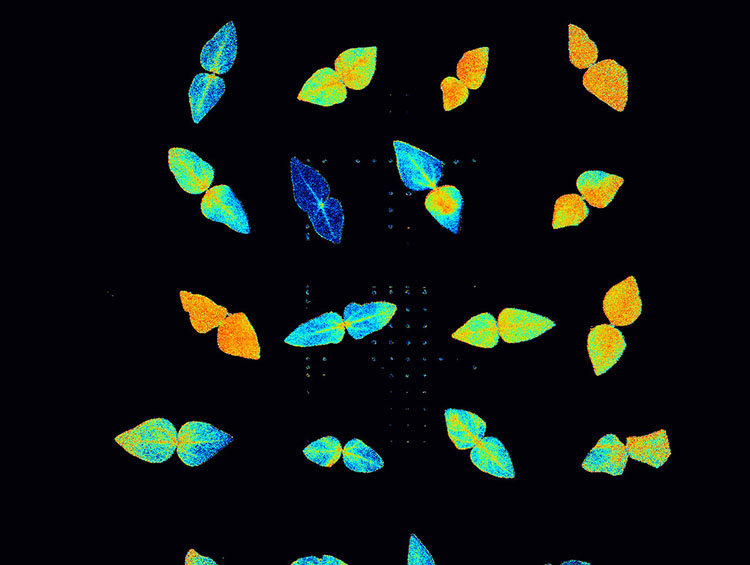
This image sequence shows different cowpea plants that have been false colored to show their different photosynthetic efficiency under chilling stress. The cooler colors (greens and blues) show when the plants are less efficient and the warmer colors (yellows and oranges) correspond to higher efficiency. Credit: Hoh et al.
One such tried-and-true traditional method involves what’s known as gene knockout. Here, scientists remove or otherwise “silence” a plant’s gene to test or determine its function.
While an oversimplification of an effective technique, it does help illustrate its limitations. It can be like cutting a single wire in a car to see if it makes a difference in the vehicle’s steering and handling, Kramer said.
What Hoh, Kramer and their colleagues did was different. It was more like taking parts from a fleet of different cars, then combining them in different ways to find which arrangement gave them the best handling.
To do this, they started by breeding together two different varieties of cowpea, which are also known as black-eyed peas. One cowpea cultivar is grown in Cameroon, just north of the equator on Africa’s west coast. The other is cultivated in California where, being farther from the equator, it has adapted to live in a climate that can become chillier.
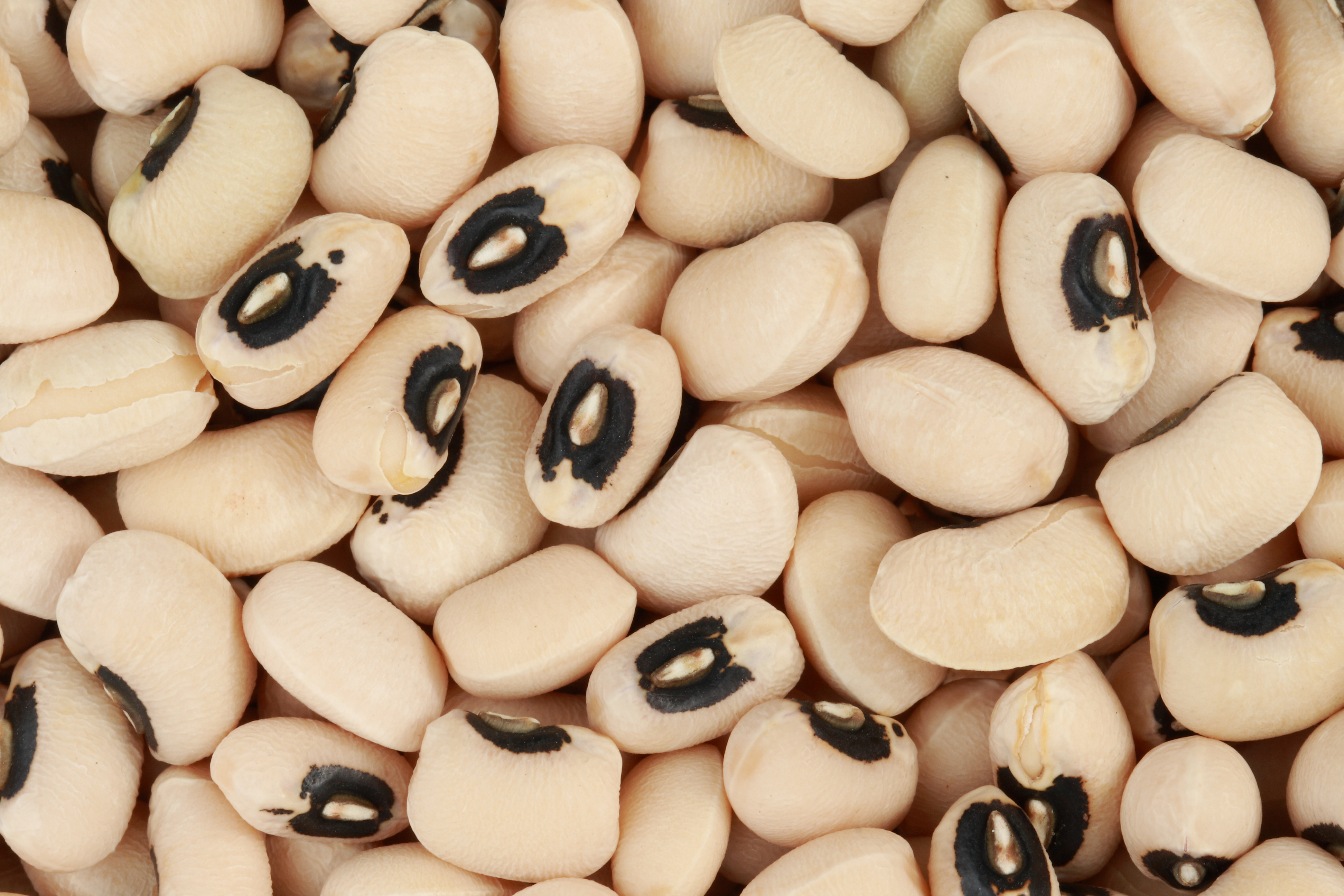
Some of the offspring were worse at maintaining photosynthesis in lower temperatures than their parents, but some were better. By measuring the different photosynthetic capabilities along with the different genetics and different fatty acid contents in every plant, the team could pinpoint the “super fat.”
“We found not only the specific fat that affects chilling sensitivity, but also the genes that modulate this fat, helping take us one step closer to climate-resilient plants,” Hoh said.
To back up that claim, the team turned to a different plant species known as Arabidopsis. With this new knowledge in hand, they bred Arabidopsis plants to either have more or less of the fatty acid than it would normally. In Arabidopsis, too, the less of the fatty acid a plant had, the better its response to cold.
Performing all these experiments and measurements required cutting-edge tools and a collaboration covering a breadth of scientific skills. Joining Kramer’s group was the lab of Christoph Benning, an MSU Foundation Professor, University Distinguished Professor and director of the MSU-DOE Plant Research Lab. Kramer’s team has extensive experience studying photosynthesis — and developing new tools needed to do so — while Benning’s team are experts in plant fatty acids.
“This work was made possible by tools the labs have built up and the expertise of people like Donghee to make the measurements,” Kramer said. “This wouldn’t have happened without putting all those components together.”
The question remains why less of this particular fatty acid is beneficial to plants, which underscores a point Kramer made earlier. Nature has evolved some pretty impressive solutions, now scientists just have to figure them out.
This work was supported by the DOE Office of Science, Basic Energy Sciences; the MSU Center for Advanced Algal and Plant Phenotyping; MSU AgBioResearch; and an MSU Plant Science Fellowship.