Jump to HeaderJump to Main ContentJump to Footer
Michigan State University
MSUTODAY
  • Browse Stories By

    Topics

    Explore stories by subject area

    • Arts and Culture
    • Business and Economy
    • Climate and Environment
    • Education and Learning
    • Engineering, Science and Technology
    • Government and Society
    • Health and Medicine
    • Media and Communications
    • MSU Leadership and Impact
    • Sports and Recreation
    • Student and Campus Experience
    View All Stories

    Collections

    Curated story series

    • Turfgrass
    • Ask the Expert
    • Big Ideas
    • Climate solutions
    • Water at MSU
    • Mobility
    • Spartan Perspectives
    • Student views
    • Graduate voices
    • Faculty voices
    View All Collections

    Featured

    Editor's picks

    • The Spartans behind your favorite Michigan golf courses

      July 22, 2026

      The Spartans behind your favorite Michigan golf courses

    • MSU in the 1990s: 10 Spartan milestones

      July 14, 2026

      MSU in the 1990s: 10 Spartan milestones

MSUTODAY
  • Browse Stories By

< Browse Stories By

Topics

Explore stories by subject area

  • Arts and Culture
  • Business and Economy
  • Climate and Environment
  • Education and Learning
  • Engineering, Science and Technology
  • Government and Society
  • Health and Medicine
  • Media and Communications
  • MSU Leadership and Impact
  • Sports and Recreation
  • Student and Campus Experience
  • View All Stories

Collections

Curated story series

  • Turfgrass
  • Ask the Expert
  • Big Ideas
  • Climate solutions
  • Water at MSU
  • Mobility
  • Spartan Perspectives
  • Student views
  • Graduate voices
  • Faculty voices
  • View All Collections

Featured

Editor's picks

  • The Spartans behind your favorite Michigan golf courses

    July 22, 2026

    The Spartans behind your favorite Michigan golf courses

  • MSU in the 1990s: 10 Spartan milestones

    July 14, 2026

    MSU in the 1990s: 10 Spartan milestones

  • For Media
  • Experts
  • Releases and Statements
  • Sign Up
  • Update Information

Michigan State University

Resources

  • A to Z Index
  • Find People
  • Maps
  • Email
  • Student Information System (SIS)
  • D2L
  • Libraries
  • Tech Support
  • MSU Misconduct Hotline
  • Social Media Directory
  • Events Calendar
  • For Media
Michigan State University
MSUToday
  • For Media
  • Experts
  • Releases and Statements
  • Sign Up
  • Update Information
Health Professions

Nov. 8, 2022

MSU awarded Superfund Research Center grant

By: Kim Ward

A multidisciplinary team of researchers at Michigan State University has received a five-year, $10.5 million Superfund Research Program Center, or SRP, grant from the National Institute of Environmental Health Sciences to make Michigan safer. The team will use these funds to conduct innovative and collaborative biomedical and remediation technology research.
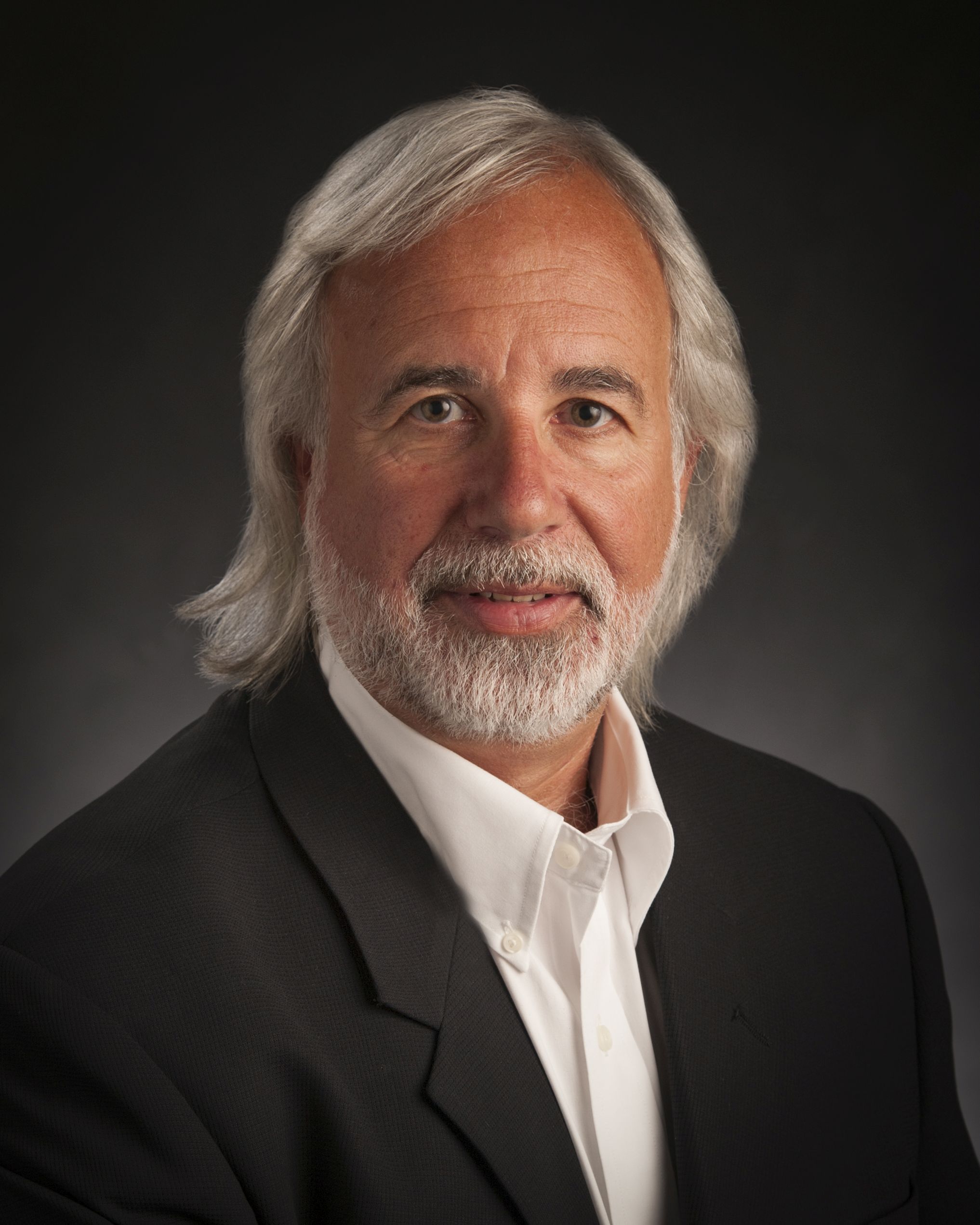
Norbert Kaminski
 

In 2000, the Environmental Protection Agency identified high levels of dioxin-like compound contamination in the Tittabawassee River and adjacent floodplain near its confluence with the Saginaw River in Michigan. Based on the potential for human health and environmental impacts of this contamination, a highly specialized MSU SRP research team will now investigate dioxin-like compounds in this area. The goal of the MSU SRP team is to develop groundbreaking solutions for reducing these toxins and to better understand the health risks they cause. 

The chemicals in the halogenated aromatic hydrocarbon family are persistent environmental contaminants that accumulate in the food chain. The chemicals of greatest concern to human and environmental health bind with high affinity to a protein called the aryl hydrocarbon receptor and are often described as “dioxin-like.” These chemicals, which include polychlorinated dibenzo-p-dioxins, dibenzofurans, biphenyls and polyaromatic hydrocarbons, are environmentally persistent, fat-soluble contaminants that accumulate in the food chain leading to human and wildlife exposure. 

Although dioxin-like compounds have been studied widely, there isn’t a precise understanding of the relationship between alterations in specific biochemical processes and particular toxic responses observed in animals or humans. There is also limited understanding of how dioxin-like compounds interact with components of soil, which may act as a type of filter and help to limit their effects on living organisms. In addition, not much is known about enzymes present in microorganisms within the environment that may be capable of degrading dioxin-like compounds. 

Based on these crucial data gaps, three complementary and highly integrated biomedical research projects are the basis of the newly funded SRP Center grant with the objective of linking biochemical processes induced by dioxin-like compounds to specific toxic responses produced in the liver, thyroid and immune system. In addition, two environmental science and engineering projects will work to advance existing knowledge on dioxin-like compound bioavailability when adhered to soil components and to characterize environmental microbial organisms capable of degrading dioxin-like compounds, including the specific enzymes involved. 

“The SRP Center provides a unique opportunity for cross-disciplinary approaches and collaborations, which is critical when addressing complex scientific problems,” said principal investigator Norbert Kaminski, director of MSU’s Institute for Integrative Toxicology.

These research projects will be supported by five cores: 

  • The Computational Modeling Core will develop dynamic computational models of biological responses induced by aryl hydrocarbon receptor ligands. 
  • The Administrative Core will support research, training, community engagement, data management, and information and technology transfer. Within the Administrative Core, a research translation group will share research findings with target audiences in government, industry and academia. 
  • The Community Engagement Core will communicate with community stakeholders through engagement with county and city health officials in three new Michigan communities that continue to experience dioxin exposure. 
  • The Data Management and Analysis Core will provide the technology, expertise, infrastructure and training necessary to curate data sets, metadata and processing and analyses needed to properly manage and share high quality reproducible data. 
  • The Research Experience and Training Coordination Core will ensure cross-disciplinary training to pre- and postdoctoral trainees. 

The SRP Center team includes 25 investigators from the following institutions: Michigan State University (20), Emory University (1), Purdue University (1), Rutgers University (2) and the Michigan Department of Health and Human Services (1). The grant is administered by the Institute for Integrative Toxicology at MSU. Results from SRP Center studies will be integrated using data science approaches to develop predictive computational models of adverse effects in support of risk assessment efforts. 

Learn more about each of the SRP Center projects and cores. 

MEDIA CONTACTS

Kaylie Crowe
Health ProfessionsHealth and MedicineHealth ProfessionsDiseases, Conditions and Treatments

Latest News

MSUToday Weekly Update

The MSUToday Weekly Update email showcases how Spartans are making a difference through academic excellence, research impact and community outreach. Get inspired by these stories of innovation, collaboration and determination. Plus, enjoy photos and videos of campus and more MSU content to help keep you connected to the Spartan community.

Sign UpUpdate My Information

Connect With Us

Visit our Facebook pageVisit our page on XVisit our Instagram pageVisit our LinkedIn pageVisit our YouTube pageVisit our TikTok page

Health and Safety

  • MSU Police and Public Safety
  • Olin Health Center
  • Counseling & Psychiatric Services (CAPS)
  • University Health and Wellbeing
  • MSU Health Care
  • Civil Rights and Title IX
  • Our Commitment
  • Center for Survivors
  • Security & Fire Safety Report
  • University Policy on Relationship Violence and Sexual Misconduct
  • Notice of Non-Discrimination, Anti-Harassment and Non-Retaliation
  • Health Care Non-Discrimination Notice

Support Services

  • Disability Resources
  • Supportive Services
  • Learning Resources

Working at MSU

  • Human Resources
  • EBS Login
  • Job Postings
  • Employee Assistance Program

Reports

  • CARES Act Funding
  • Student Achievement and Outcomes

Contact us

517-355-1855

Address

Michigan State University 426 Auditorium Road East Lansing, MI 48824

Follow Us

  • Visit our Facebook page
  • Visit our page on X
  • Visit our Instagram page
  • Visit our TikTok page
  • Visit our LinkedIn page
  • Visit our YouTube page

If you're having accessibility issues, please let us know.

Know More: Campus Safety Information and ResourcesTransparency Reporting: Budget & Salary/Compensation
Michigan State University
  • Contact Information|
  • Site Map|
  • Privacy Statement|
  • Site Accessibility|
  • Call MSU: (517) 355-1855|
  • Visit: msu.edu|
  • Notice of Nondiscrimination|

SPARTANS WILL|© Michigan State University|
