Jump to HeaderJump to Main ContentJump to Footer
Michigan State University
MSUToday
  • For Media
  • Experts
  • Releases and Statements
  • Sign Up
  • Update Information
MSUTODAY
  • Browse Stories By

    Topics

    Explore stories by subject area

    • Arts and Culture
    • Business and Economy
    • Climate and Environment
    • Education and Learning
    • Engineering, Science and Technology
    • Government and Society
    • Health and Medicine
    • Media and Communications
    • MSU Leadership and Impact
    • Sports and Recreation
    • Student and Campus Experience
    View All Stories

    Collections

    Curated story series

    • Turfgrass
    • Ask the Expert
    • Big Ideas
    • Climate solutions
    • Water at MSU
    • Mobility
    • Spartan Perspectives
    • Student views
    • Graduate voices
    • Faculty voices
    View All Collections

    Featured

    Editor's picks

    • The Spartans behind your favorite Michigan golf courses

      July 22, 2026

      The Spartans behind your favorite Michigan golf courses

    • MSU in the 1990s: 10 Spartan milestones

      July 14, 2026

      MSU in the 1990s: 10 Spartan milestones

MSUTODAY
  • Browse Stories By

< Browse Stories By

Topics

Explore stories by subject area

  • Arts and Culture
  • Business and Economy
  • Climate and Environment
  • Education and Learning
  • Engineering, Science and Technology
  • Government and Society
  • Health and Medicine
  • Media and Communications
  • MSU Leadership and Impact
  • Sports and Recreation
  • Student and Campus Experience
  • View All Stories

Collections

Curated story series

  • Turfgrass
  • Ask the Expert
  • Big Ideas
  • Climate solutions
  • Water at MSU
  • Mobility
  • Spartan Perspectives
  • Student views
  • Graduate voices
  • Faculty voices
  • View All Collections

Featured

Editor's picks

  • The Spartans behind your favorite Michigan golf courses

    July 22, 2026

    The Spartans behind your favorite Michigan golf courses

  • MSU in the 1990s: 10 Spartan milestones

    July 14, 2026

    MSU in the 1990s: 10 Spartan milestones

  • For Media
  • Experts
  • Releases and Statements
  • Sign Up
  • Update Information

For the nearly 50,000 students living and learning at Michigan State University, campus becomes a second home. Arriving in East Lansing, students have the opportunity to engage with others from across the state, nation and world, but sometimes navigating these interactions isn’t as easy as learning the winding paths along the Red Cedar River. 

The Multi-Racial Unity Living Experience and Intercultural Aide program, or MRULE-ICA, within the Office of Cultural and Academic Transitions, aims to unite MSU students across their differences, supporting a campus climate in which intercultural engagement and developing meaningful relationships is valued and practiced.
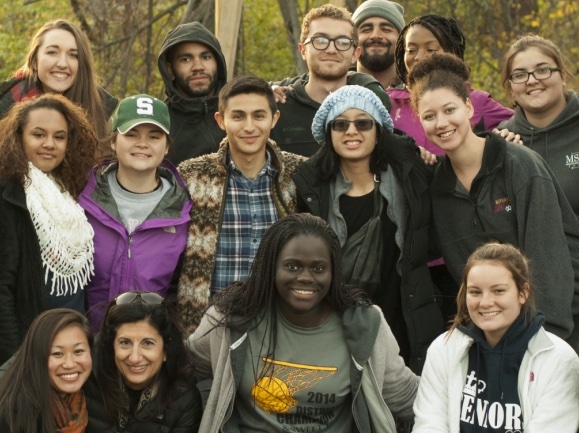
MRULE students
 

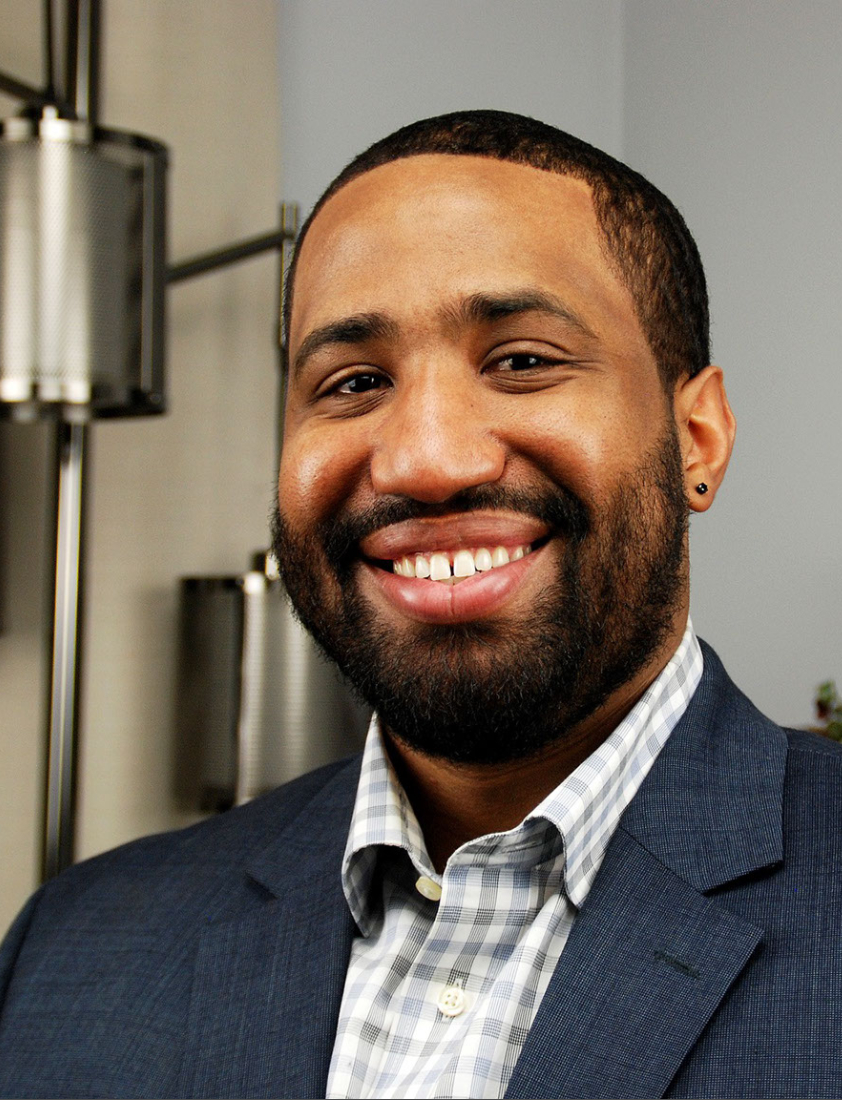
“The MRULE-ICA program’s educational goal is the building of cross-cultural communities among diverse students,” says Terrence Frazier, assistant vice president for Student Affairs and Services. “Students who participate in the program truly gain a stronger understanding of themselves and others through deep reflection of lived experiences.”

With MRULE celebrating its 25th anniversary in the 2021-22 academic year and the Intercultural Aide program’s roots dating back to 1969, the program is an enduring presence on MSU’s campus, facilitating these meaningful interactions among students through decades of social change. As a student-centered organization, MRULE-ICA has maintained its record of working to bridge racial and cultural divides, expanding into an inclusive and influential resource at MSU.

As Spartans prepare to come to campus this fall after a formidable year, the role of programs like MRULE-ICA is more crucial than ever.

A history of MRULE-ICA

The MRULE and ICA programs began as separate entities on campus before combining forces in 2014. Richard Thomas, a historian specializing in interracial unity and Black Detroit, was involved in the creation of both programs.

  • In 1969, Black Student Aide program is formed by student leaders Don Coleman and Richard Thomas in an attempt to retain Black students at MSU. Over time, the program adapts to include Asian-Pacific Islander, Latinx and Native American students.
  • MRULE is co-founded in 1996 by Thomas, the former student leader and a professor at the time, and Jeanne Gazel, who facilitate student discussion around social issues and other controversial topics. The program began with 24 participants. Once a faculty-driven program, Gazel aims to evolve MRULE into a student-facilitated program.
  • In 1998, MRULE student leaders begin facilitating roundtable discussions, along with service, social activities and community-building components. MRULE groups soon expand to residence halls across campus.
  • MRULE director Gazel and Maggie Chen-Hernandez, director of MOSAIC: The Multicultural Unity Center and the Intercultural Aide program, fuse the two programs in 2014.

“The mission of MOSAIC, to bring people together across differences, was aligned with what Jeanne had been doing since MRULE’s inception,” says Chen-Hernandez. “Since we were both doing intercultural engagement work at MSU, it was eventually inevitable that we combine our efforts and resources.


Talking through social issues

A cornerstone of MRULE-ICA is its Round Table Discussions, offered Monday and Tuesday evenings in residence halls and MOSAIC: The Multicultural Unity Center on campus. Open to all students, these discussions cover topics from educational inequity and stigmas surrounding mental health to gender norms and racial identity.

Jasmine Rivera
Jasmine Rivera 


Jasmine Rivera, a 2003 MSU alumna and former MRULE student leader, recalls “emotional and heated” meetings around one particular topic during her first two years in MRULE.

“Affirmative action was a top issue, as the University of Michigan’s Supreme Court case was in process,” says Rivera. “Tensions were high in the student body.”

As time progressed, Rivera says her fellow students' perspectives evolved due to the exposure to experiences of affirmative action other than their own.

“MRULE does not aim for colorblindness or the superficial conformity of ‘just getting along’ by avoiding tough subjects. It thrives on challenging ideas and unity in diversity,” says Rivera. “Students learn to be fearless and trust the value of their own voices while listening to others with open minds. It’s that shared experience of personal evolution and tension between perspectives that leads to closer, more authentic relationships.”
More than 250 Round Table Discussions are held on campus each year, allowing students to engage in civil conversations and explore complex issues in a safe, open-minded environment.

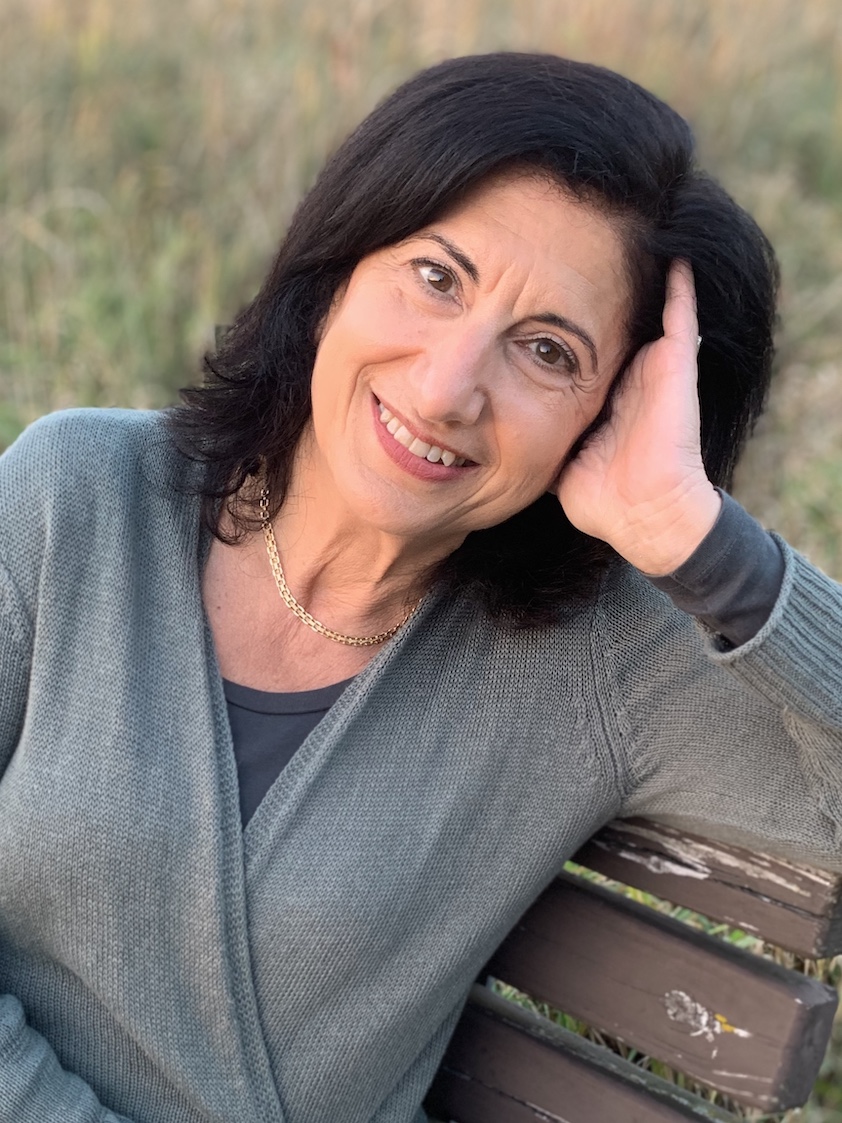
Jeanne Gazel
Jeanne Gazel

“It isn’t just come in, say your opinion and leave,” says Gazel. “It’s a pedagogical approach that creates a vibrant learning community. We bring global issues to the center of our curriculum and through the study of historical through-lines and the development of genuine relationships, we connect with our common humanity. There are many differences unfolding throughout the practice, but at the core is genuine love.”

“We really value the ways Intercultural Aides assist with community development for on-campus students,” says Coree Newman Coronado, associate director for residence education in Residence Education and Hospitality Services. “As residents and student leaders, their interactions within the residence halls add to the energy and vibrancy in the community.”

Student LifeStudent and Campus ExperienceStudent and Campus ExperienceLaw and JusticeGovernment and Society

Resources

  • A to Z Index
  • Find People
  • Maps
  • Email
  • Student Information System (SIS)
  • D2L
  • Libraries
  • Tech Support
  • MSU Misconduct Hotline
  • Social Media Directory
  • Events Calendar
  • For Media

Health and Safety

  • MSU Police and Public Safety
  • Olin Health Center
  • Counseling & Psychiatric Services (CAPS)
  • University Health and Wellbeing
  • MSU Health Care
  • Civil Rights and Title IX
  • Our Commitment
  • Center for Survivors
  • Security & Fire Safety Report
  • University Policy on Relationship Violence and Sexual Misconduct
  • Notice of Non-Discrimination, Anti-Harassment and Non-Retaliation
  • Health Care Non-Discrimination Notice

Support Services

  • Disability Resources
  • Supportive Services
  • Learning Resources

Working at MSU

  • Human Resources
  • EBS Login
  • Job Postings
  • Employee Assistance Program

Reports

  • CARES Act Funding
  • Student Achievement and Outcomes

Contact us

517-355-1855

Address

Michigan State University 426 Auditorium Road East Lansing, MI 48824

Follow Us

  • Visit our Facebook page
  • Visit our page on X
  • Visit our Instagram page
  • Visit our TikTok page
  • Visit our LinkedIn page
  • Visit our YouTube page

If you're having accessibility issues, please let us know.

Know More: Campus Safety Information and ResourcesTransparency Reporting: Budget & Salary/Compensation
  • Contact Information|
  • Site Map|
  • Privacy Statement|
  • Site Accessibility|
  • Call MSU: (517) 355-1855|
  • Visit: msu.edu|
  • Notice of Nondiscrimination|

SPARTANS WILL|© Michigan State University|

Student Life

July 14, 2021

MSU multicultural program builds community across differences

Grassroots initiative creates sense of belonging for students

By: Stefanie Pohl
MRULE students sitting outdoors

Creating connections

Intercultural Aides at MSU live in select residence halls for the purpose of engaging students from all backgrounds in learning opportunities within their living communities. Similar to the Resident Assistant program, Intercultural Aides are a source of support for students transitioning to life on campus and beyond. Aides partner with RAs to foster an inclusive campus climate, supporting student identity development, a sense of belonging and academic success. Compensation for the Intercultural Aide position includes a single room and meal plan for the year.

Between 60 and 70 aides serve in the program every year, mentored and educated throughout the process by MRULE-ICA professional staff. To recruit ICA applicants, Student Affairs and Services staff members reach out to various racial and ethnic student organizations as well as work with campus partners to promote the opportunity to students.

Eduardo Olivo
Eduardo Olivo

“The MRULE-ICA program has been a transformational force in the residence halls at Michigan State University,” says Eduardo Olivo, interim associate director for Diversity Equity and Inclusion in REHS. “The depth and authenticity of the learning spaces offered to residents by the MRULE-ICAs is a national best practice. This is one of the very few DEI programs at MSU that combines peer education, dialogue, rigorous scholarship and real-world applications in how the conversations with residents are framed and implemented.”

The selection process occurs during the spring semester prior to the academic year they will serve. Intercultural Aides are hired to perform their roles for one academic year, though students are encouraged to reapply if they are interested in continuing their work.

Dreux Baker
Dreux Baker

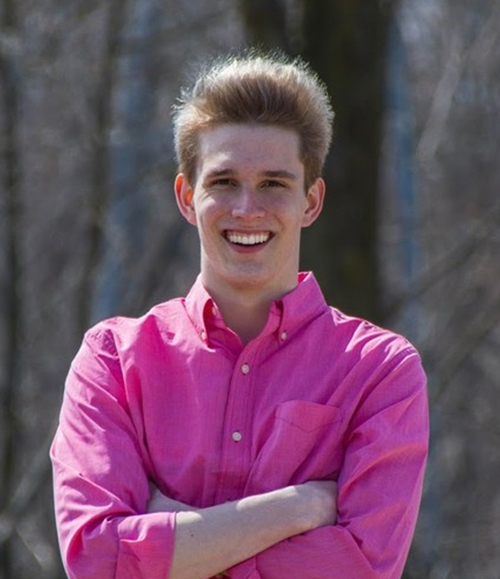
“The MRULE-ICA program allows you to meet new people,” says Thomas Antishin, a 2021 MSU graduate and ICA program alumnus. “I still remember one of the first things my first supervisor in the program said to me was, ‘Every day on Michigan State’s campus, you have the ability to meet someone completely different from you, but how many times do you actually do that?’ By involving yourself in the program, you’re able to have open and honest conversations with people who think completely differently than you.”

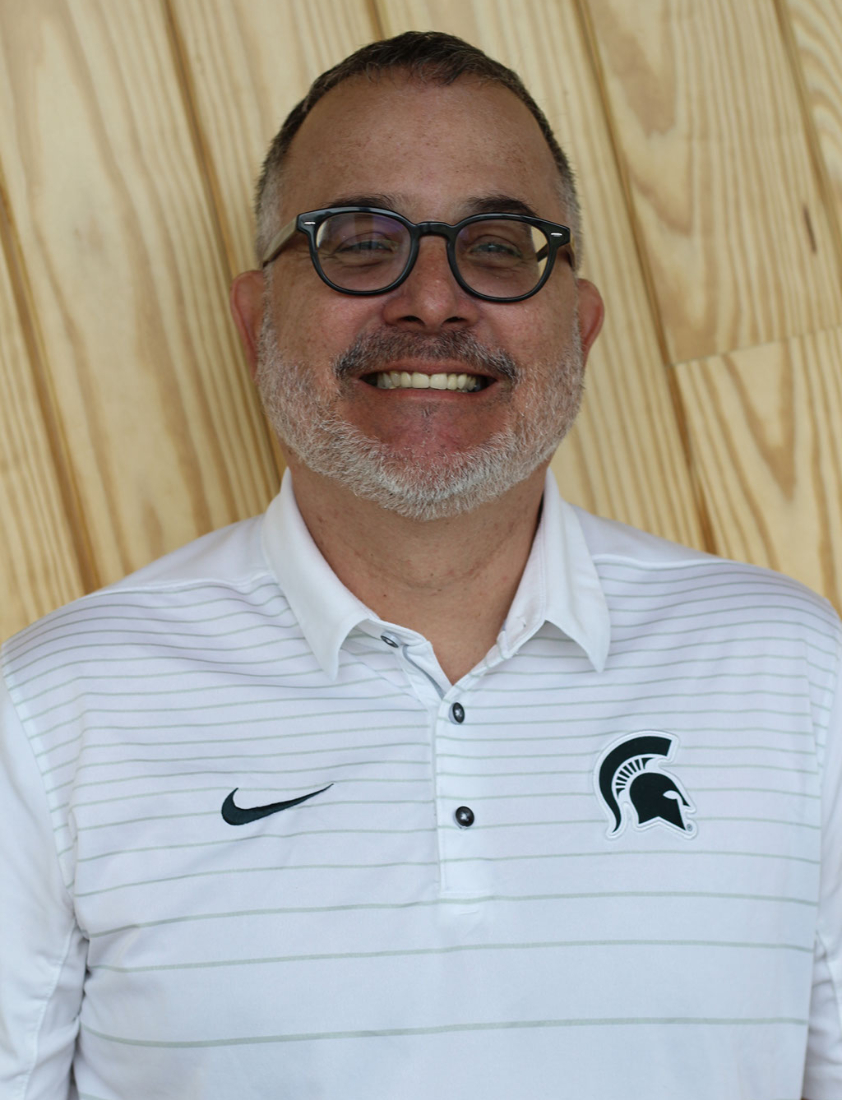
“I value supervising in this program because it is such a dynamic, multidisciplinary learning process," says Dreux Baker, an MRULE-ICA supervisor who previously supervised Antishin. "We are building capacity with students, no matter background or major, to become more conscious, engaged citizens of the world.”

Serving the local and global community

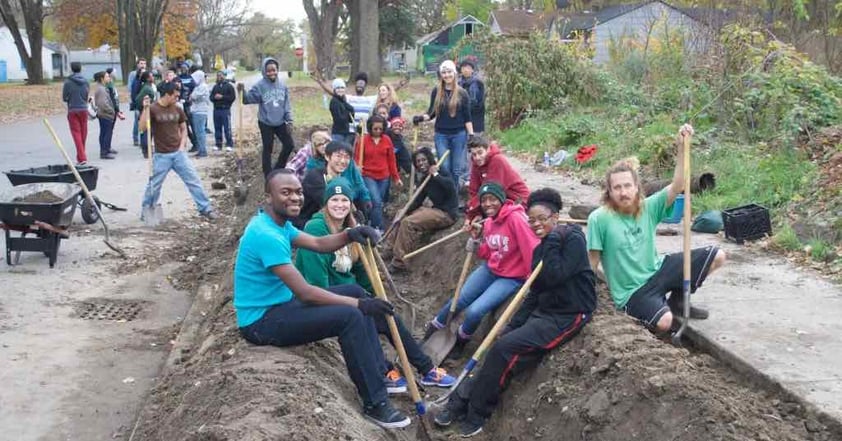
In addition to helping form an inclusive community on campus, MRULE-ICA’s mission also aims to connect students with service opportunities both locally and internationally. The MRULE program began a partnership with Detroit’s Neighbors Building Brightmoor in 2011, participating in several projects alongside neighbors to clean, build and maintain community gardens. Lansing’s Village Summit Community Center and Allen Street Neighborhood Center have also received support from the MRULE-ICA program over the past decade.

MRULE students participate in service projects

With the participation of MSU students through MRULE-ICA and an education abroad program focused on race relations in South Africa, Vumundzuku-Bya Vana/Our Children’s Future in Zonkizizwe opened its doors in 2007. That program provides after-school activities and hot meals to children and youth as well as psychosocial support peer education courses. Since its founding, MRULE-ICA has continued to support the initiative in South Africa, including a pen pal program.

“We think of ourselves as not just a campus community but a campus community and beyond,” says Gazel. “We have our local, our regional and our global community.” 

In recent years, MRULE-ICA has coordinated with MSU’s Center for Community Engaged Learning for its service days in the fall and spring; this partnership has created opportunities for students to connect and partner on projects with MSU alumni from local organizations, such as the Metro Detroit Youth Club.

Working through and beyond the pandemic

The suspension of in-person instruction at MSU in March 2020 due to the rise in COVID-19 cases posed many challenges for the campus community. For a program that thrives on the interpersonal relationships of its students, MRULE-ICA staff and students found ways to keep the connection alive, even remotely.

Thomas Antishin, a 2021 graduate, began working as an Intercultural Aide during the 2018-19 academic year and served as a virtual MRULE facilitator during his final semester at MSU. Despite the various challenges of the pandemic, he says he found the greatest connections made in the Round Table Discussion space were during the virtual sessions.

Thomas Antishin
Thomas Antishin

“The pandemic greatly affected the way ICAs worked,” Antishin says. “We pride ourselves on being able to build genuine relationships across differences, which is hard to do when you cannot meet students face to face. However, I really feel as though the program came together to recognize the challenge that the virtual environment placed on us and developed ways to overcome those challenges.”

Intercultural Aide facilitators worked with MRULE-ICA professional staff to find the best way to present information that would feel engaging and exciting to participants, particularly in a virtual environment. In addition to Round Table Discussions, students connected via social media and online games to continue their conversations.

“It was truly reimagining what a genuine relationship can look like and expanding it to the understanding that interpersonal connection is the primary aspect of it, while physical presence more easily fosters it,” says Antishin.

Latest News

MSUToday Weekly Update

The MSUToday Weekly Update email showcases how Spartans are making a difference through academic excellence, research impact and community outreach. Get inspired by these stories of innovation, collaboration and determination. Plus, enjoy photos and videos of campus and more MSU content to help keep you connected to the Spartan community.

Sign UpUpdate My Information

Connect With Us

Visit our Facebook pageVisit our page on XVisit our Instagram pageVisit our LinkedIn pageVisit our YouTube pageVisit our TikTok page