Jump to HeaderJump to Main ContentJump to Footer
Michigan State University
  • Browse Stories By

    Topics

    Explore stories by subject area

    • Arts and Culture
    • Business and Economy
    • Climate and Environment
    • Education and Learning
    • Engineering, Science and Technology
    • Government and Society
    • Health and Medicine
    • Media and Communications
    • MSU Leadership and Impact
    • Sports and Recreation
    • Student and Campus Experience
    View All Stories

    Collections

    Curated story series

    • Turfgrass
    • Ask the Expert
    • Big Ideas
    • Climate solutions
    • Water at MSU
    • Mobility
    • Spartan Perspectives
    • Student views
    • Graduate voices
    • Faculty voices
    View All Collections

    Featured

    Editor's picks

    • The Spartans behind your favorite Michigan golf courses

      July 22, 2026

      The Spartans behind your favorite Michigan golf courses

    • MSU in the 1990s: 10 Spartan milestones

      July 14, 2026

      MSU in the 1990s: 10 Spartan milestones

MSUTODAY
  • Browse Stories By

< Browse Stories By

Topics

Explore stories by subject area

  • Arts and Culture
  • Business and Economy
  • Climate and Environment
  • Education and Learning
  • Engineering, Science and Technology
  • Government and Society
  • Health and Medicine
  • Media and Communications
  • MSU Leadership and Impact
  • Sports and Recreation
  • Student and Campus Experience
  • View All Stories

Collections

Curated story series

  • Turfgrass
  • Ask the Expert
  • Big Ideas
  • Climate solutions
  • Water at MSU
  • Mobility
  • Spartan Perspectives
  • Student views
  • Graduate voices
  • Faculty voices
  • View All Collections

Featured

Editor's picks

  • The Spartans behind your favorite Michigan golf courses

    July 22, 2026

    The Spartans behind your favorite Michigan golf courses

  • MSU in the 1990s: 10 Spartan milestones

    July 14, 2026

    MSU in the 1990s: 10 Spartan milestones

  • For Media
  • Experts
  • Releases and Statements
  • Sign Up
  • Update Information

Resources

  • A to Z Index
  • Find People
  • Maps
  • Email
  • Student Information System (SIS)
  • D2L
  • Libraries
  • Tech Support
  • MSU Misconduct Hotline
  • Social Media Directory
  • Events Calendar
  • For Media
Michigan State University
MSUToday
  • For Media
  • Experts
  • Releases and Statements
  • Sign Up
  • Update Information
MSUTODAY
Internet and Social Media

Dec. 15, 2020

Ask the expert: What’s behind government cyberattacks?

By: John Thomas

"Ask the Expert" articles provide information and insights from MSU scientists, researchers and scholars about national and global issues, complex research and general-interest subjects based on their areas of academic expertise and study. They may feature historical information, background, research findings, or offer tips.
 
The United States recently discovered and announced that it was targeted in an ongoing cyberattack that could have originated as far back as March 2020.
 
The U.S. Department of Homeland Security – the government agency specifically compromised as part of this cyberattack – directed all federal agencies to immediately stop using SolarWinds products, a computer network software that is believed to have been the specific tool exploited by the hackers. Cyberattacks against governments are unfortunately common, and there is a long history of countries spying on other countries.

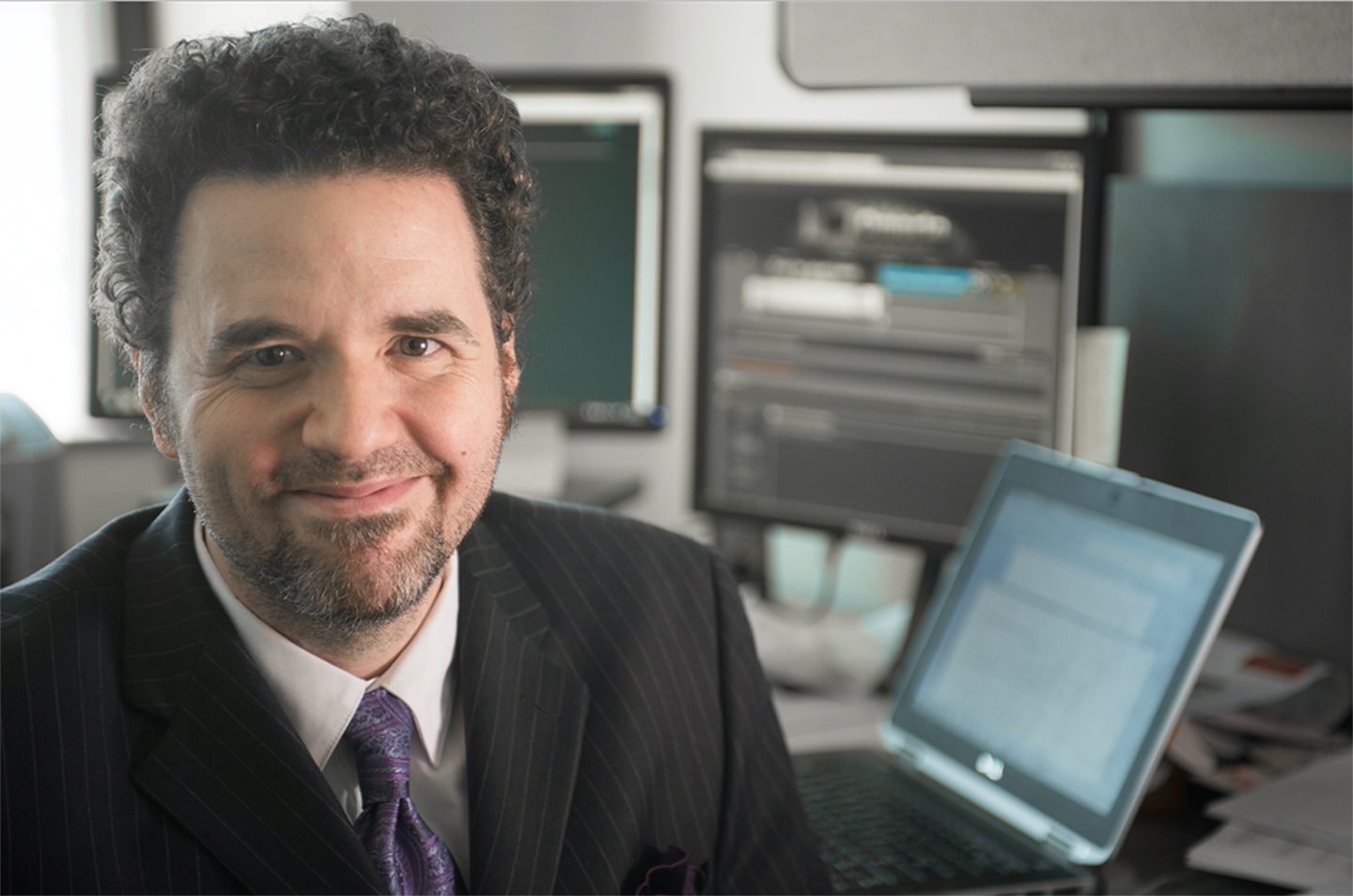
Thomas Holt, a cybercrime and cybersecurity expert in the School of Criminal Justice at Michigan State University, discusses how these attacks are discovered, why they take so long to identify and what the U.S. can do to prevent these attacks in the future.

How do experts determine who is guilty of carrying out these types of cyberattacks?

In cyberattacks, identifying a potential source of the attack is done through triangulating multiple pieces of information obtained through forensic analysis of affected computers, as well as other tools like Intrusion Detection Systems and reviews of network traffic usage.  Looking at when a computer was affected and retracing the path of unusual or malicious traffic, including when users are logging in, can all help to paint a picture of potential attribution.

Another key tool in identification is reverse engineering, or disassembling the malicious software and code involved in an attack. There are often details in the code that may point to a specific place or actor, such as character sets unique to a specific language, like Cyrillic or Chinese characters. This information can then be compared with tools used in prior identified attacks and help match unknown attacks to potential sources of an attack.

Why did it take so long for government officials to realize there was a cyberattack?

Typically, nation states will use tactics that make it deliberately hard to identify what exactly they are doing for a long period of time – essentially, they are covering their tracks as they go along. The hackers may try to obtain login credentials of existing employees through phishing attempts, malware or social engineering.

With this attack in particular, malware was utilized through patches from a trusted source – SolarWinds Orion. Hackers will move within an organization slowly, from system to system, working non-business hours to try to conceal their activities as they work.

What can the U.S., and others, do to prevent these attacks in the future?

This is a challenge, as the U.S. is taking active steps to improve the national posture towards cyberattacks. One of the key aspects of this work is to actively lock down as many points of vulnerability as is possible. This is hard to achieve, because too much security can make it hard for employees to get their tasks completed – and too little makes it easy for targets to be hacked. 

As technologies change, security professionals face a constant demand of balancing security with usability. Attackers recognize this dilemma and are always applying creative strategies to gain inroads into targets through the least visible points in an organization. That is what you can see in this current instance – attackers using a supposedly trusted source to gain backdoor access into sensitive systems. If we can’t trust what was otherwise trustworthy, how do we operate? Thus, cybersecurity professionals will now have to find ways to ensure that their trustworthy sources have not been compromised so that they can reduce additional threats to their organizations.


MEDIA CONTACTS

Thomas Holt, Caroline Brooks
Internet and Social MediaMedia and CommunicationsSocial SciencesGovernment and SocietySocial Sciences

Collection

more content from this collection

Ask the Expert

Latest News

MSUToday Weekly Update

The MSUToday Weekly Update email showcases how Spartans are making a difference through academic excellence, research impact and community outreach. Get inspired by these stories of innovation, collaboration and determination. Plus, enjoy photos and videos of campus and more MSU content to help keep you connected to the Spartan community.

Sign UpUpdate My Information

Connect With Us

Visit our Facebook pageVisit our page on XVisit our Instagram pageVisit our LinkedIn pageVisit our YouTube pageVisit our TikTok page

Health and Safety

  • MSU Police and Public Safety
  • Olin Health Center
  • Counseling & Psychiatric Services (CAPS)
  • University Health and Wellbeing
  • MSU Health Care
  • Civil Rights and Title IX
  • Our Commitment
  • Center for Survivors
  • Security & Fire Safety Report
  • University Policy on Relationship Violence and Sexual Misconduct
  • Notice of Non-Discrimination, Anti-Harassment and Non-Retaliation
  • Health Care Non-Discrimination Notice

Support Services

  • Disability Resources
  • Supportive Services
  • Learning Resources

Working at MSU

  • Human Resources
  • EBS Login
  • Job Postings
  • Employee Assistance Program

Reports

  • CARES Act Funding
  • Student Achievement and Outcomes

Contact us

517-355-1855

Address

Michigan State University 426 Auditorium Road East Lansing, MI 48824

Follow Us

  • Visit our Facebook page
  • Visit our page on X
  • Visit our Instagram page
  • Visit our TikTok page
  • Visit our LinkedIn page
  • Visit our YouTube page

If you're having accessibility issues, please let us know.

Know More: Campus Safety Information and ResourcesTransparency Reporting: Budget & Salary/Compensation
  • Contact Information|
  • Site Map|
  • Privacy Statement|
  • Site Accessibility|
  • Call MSU: (517) 355-1855|
  • Visit: msu.edu|
  • Notice of Nondiscrimination|

SPARTANS WILL|© Michigan State University|