Jump to HeaderJump to Main ContentJump to Footer
Michigan State University
MSUTODAY
  • Browse Stories By

    Topics

    Explore stories by subject area

    • Arts and Culture
    • Business and Economy
    • Climate and Environment
    • Education and Learning
    • Engineering, Science and Technology
    • Government and Society
    • Health and Medicine
    • Media and Communications
    • MSU Leadership and Impact
    • Sports and Recreation
    • Student and Campus Experience
    View All Stories

    Collections

    Curated story series

    • Alumni stories
    • Turfgrass
    • Ask the Expert
    • Big Ideas
    • Climate solutions
    • Water at MSU
    • Mobility
    • Spartan Perspectives
    • Student views
    • Graduate voices
    • Faculty voices
    View All Collections

    Featured

    Editor's picks

    • 9 reasons to love being a Spartan

      Aug. 28, 2026

      9 reasons to love being a Spartan

    • NIH awards multi-university team over $4M to improve women’s health

      Sept. 15, 2026

      NIH awards multi-university team over $4M to improve women’s health

MSUTODAY
  • Browse Stories By

< Browse Stories By

Topics

Explore stories by subject area

  • Arts and Culture
  • Business and Economy
  • Climate and Environment
  • Education and Learning
  • Engineering, Science and Technology
  • Government and Society
  • Health and Medicine
  • Media and Communications
  • MSU Leadership and Impact
  • Sports and Recreation
  • Student and Campus Experience
  • View All Stories

Collections

Curated story series

  • Alumni stories
  • Turfgrass
  • Ask the Expert
  • Big Ideas
  • Climate solutions
  • Water at MSU
  • Mobility
  • Spartan Perspectives
  • Student views
  • Graduate voices
  • Faculty voices
  • View All Collections

Featured

Editor's picks

  • 9 reasons to love being a Spartan

    Aug. 28, 2026

    9 reasons to love being a Spartan

  • NIH awards multi-university team over $4M to improve women’s health

    Sept. 15, 2026

    NIH awards multi-university team over $4M to improve women’s health

  • For Media
  • Experts
  • Releases and Statements
  • Sign Up
  • Update Information

Resources

  • A to Z Index
  • Find People
  • Maps
  • Email
  • Student Information System (SIS)
  • D2L
  • Libraries
  • Tech Support
  • MSU Misconduct Hotline
  • Social Media Directory
  • Events Calendar
  • For Media
Michigan State University
MSUToday
  • For Media
  • Experts
  • Releases and Statements
  • Sign Up
  • Update Information
Diseases, Conditions and Treatments

Nov. 23, 2020

DOD-funded research could lead to diagnostics, therapies for rare neurological disorder

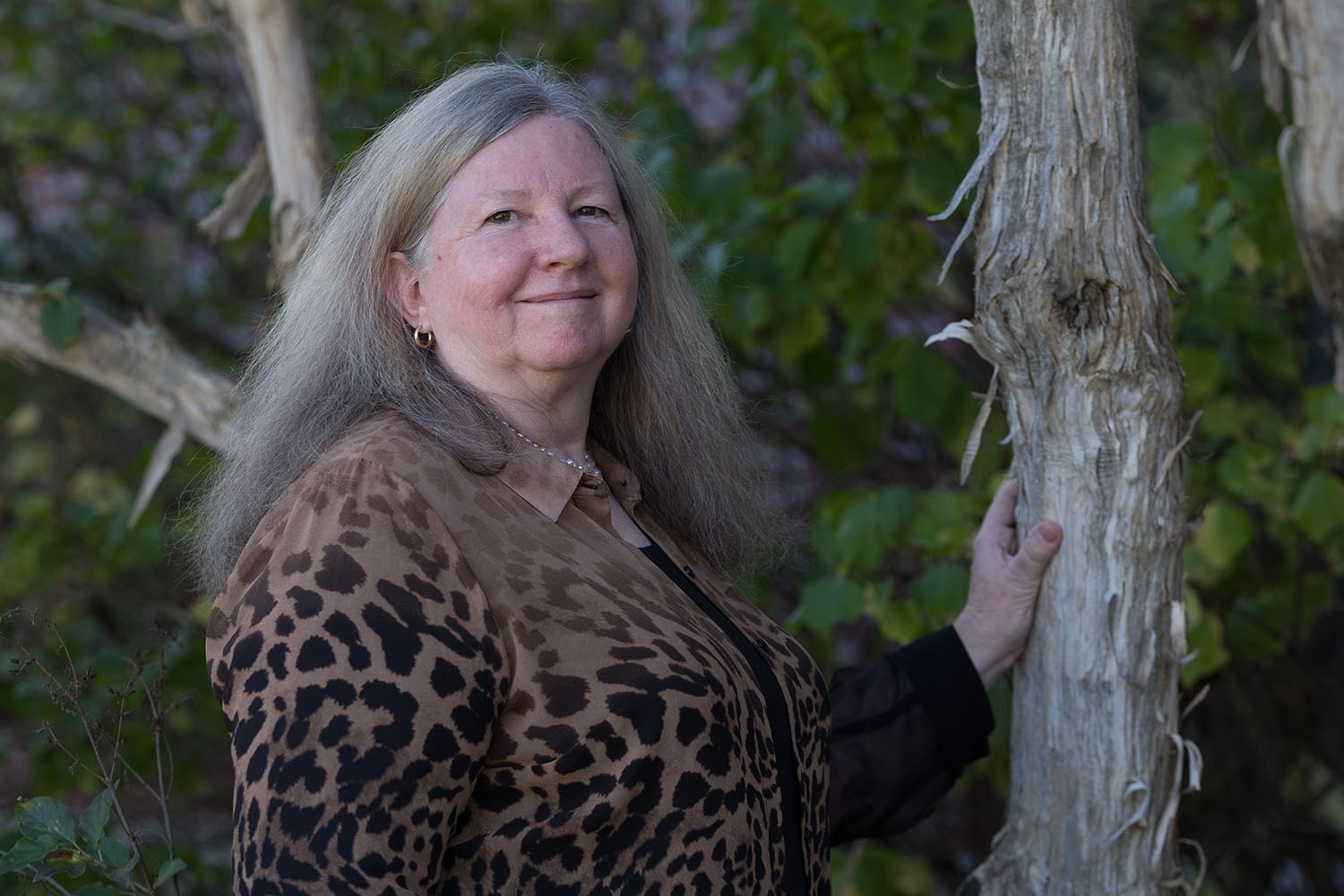
Linda S. Mansfield
Linda S. Mansfield.

Most of the time, food poisoning is just that — we eat something rotten or contaminated, we get sick, we get better and we move on. But in the case of Campylobacter jejuni, the world’s most common food poisoning-inducing pathogen, a rare neurological disorder called Guillain-Barré Syndrome can be provoked. GBS is of special concern for U.S. military personnel, who are disproportionally affected by the disorder. According to a 2009 case-control study, military personnel have an incidence of GBS that is more than double that seen in the general U.S. population; recent higher estimates of Campylobacter infection show this paralysis is becoming more common.


Joint research from the University of Georgia and Michigan State University could help change that. Christine Szymanski and Linda S. Mansfield led a team that was recently awarded a total project budget of $2.2M from the United States Department of Defense. Their research will focus on understanding how the human gut microbiome influences susceptibility to C. jejuni-triggered GBS.


“Our research could offer critical insight into how the human gut microbiota impacts susceptibility to GBS,” said Szymanski, professor at the Complex Carbohydrate Research Center and UGA’s Department of Microbiology. “If we can understand that, there’s potential for us to create new preventatives and therapies to help protect patients from GBS, including those most at risk who put their lives on the line in military service to the United States.”


Now that polio is nearly eradicated, GBS is the world’s leading cause of acute neuromuscular paralysis. It’s an autoimmune disorder that causes a person’s immune system to attack their own nerves. The disorder can cause a range of temporary and permanent symptoms, from muscle weakness to paralysis; some patients require a ventilator to breathe.


“Our nerves have fibers that send electrical signals when we want to move our bodies, and those fibers are wrapped in a protective layer of fat and proteins called the myelin sheath,” said Mansfield, University Distinguished Professor and Albert C. and Lois E. Dehn Endowed Chair in Veterinary Medicine for MSU’s Department of Large Animal Clinical Sciences in the College of Veterinary Medicine. “GBS causes the body’s immune system to attack its own nerves. This causes the myelin sheath to weaken and exposes nerve fibers to the immune system’s attack. The fibers become damaged. This disrupts the body’s sending of electrical impulses, which causes symptoms like muscle weakness and paralysis.”


Fecal samples from GBS military and other patients will be used to humanize germ-free mice so changes in GBS susceptibility due to microbiome shifts can be observed. The researchers hope to prove that the gut microbiota alters GBS susceptibility because this will mean that they can use their new model to follow pathogenic mechanisms during new drug screens. Other GBS researchers also can use the model as a screening tool for existing and future therapeutics for this constellation of autoimmune disorders.


“We hope our work leads to better quality of life for those affected by GBS through improved diagnostics and therapeutics, as well as preventatives that will reduce the number of new GBS cases we see in the future,” said Mansfield.


This project is part of ongoing research conducted by Mansfield. Also contributing to this project are Julia Bell, assistant professor for MSU’s Department of Large Animal Clinical Sciences; David Tribble, science director for preventative medicine and biometrics at Uniformed Services University in Bethesda, Maryland; Zhahirul Islam, scientist in the Enteric Microbiology Laboratory at the International Centre for Diarrheal Disease Research, Bangladesh; and Hugh Willison, professor of neurology for the Institute of Infectious, Immunity and Inflammation, School of Medicine, Dentistry and Nursing, Glasgow University.


MEDIA CONTACTS

Caroline Brooks, Katheryn Kutil
Diseases, Conditions and TreatmentsHealth and MedicineNatural SciencesEngineering, Science and TechnologyMSU ResearchMSU Leadership and Impact

Latest News

MSUToday Weekly Update

The MSUToday Weekly Update email showcases how Spartans are making a difference through academic excellence, research impact and community outreach. Get inspired by these stories of innovation, collaboration and determination. Plus, enjoy photos and videos of campus and more MSU content to help keep you connected to the Spartan community.

Sign UpUpdate My Information

Connect With Us

Visit our Facebook pageVisit our page on XVisit our Instagram pageVisit our LinkedIn pageVisit our YouTube pageVisit our TikTok page

Health and Safety

  • MSU Police and Public Safety
  • Olin Health Center
  • Counseling & Psychiatric Services (CAPS)
  • University Health and Wellbeing
  • MSU Health Care
  • Civil Rights and Title IX
  • Our Commitment
  • Center for Survivors
  • Security & Fire Safety Report
  • University Policy on Relationship Violence and Sexual Misconduct
  • Notice of Non-Discrimination, Anti-Harassment and Non-Retaliation
  • Health Care Non-Discrimination Notice

Support Services

  • Disability Resources
  • Supportive Services
  • Learning Resources

Working at MSU

  • Human Resources
  • EBS Login
  • Job Postings
  • Employee Assistance Program

Reports

  • CARES Act Funding
  • Student Achievement and Outcomes

Contact us

517-355-1855

Address

Michigan State University 426 Auditorium Road East Lansing, MI 48824

Follow Us

  • Visit our Facebook page
  • Visit our page on X
  • Visit our Instagram page
  • Visit our TikTok page
  • Visit our LinkedIn page
  • Visit our YouTube page

If you're having accessibility issues, please let us know.

Know More: Campus Safety Information and ResourcesTransparency Reporting: Budget & Salary/Compensation
  • Contact Information|
  • Site Map|
  • Privacy Statement|
  • Site Accessibility|
  • Call MSU: (517) 355-1855|
  • Visit: msu.edu|
  • Notice of Nondiscrimination|

SPARTANS WILL|© Michigan State University|