"Ask the Expert" articles provide information and insights from MSU scientists, researchers and scholars about national and global issues, complex research and general-interest subjects based on their areas of academic expertise and study. They may feature historical information, background, research findings, or offer tips.
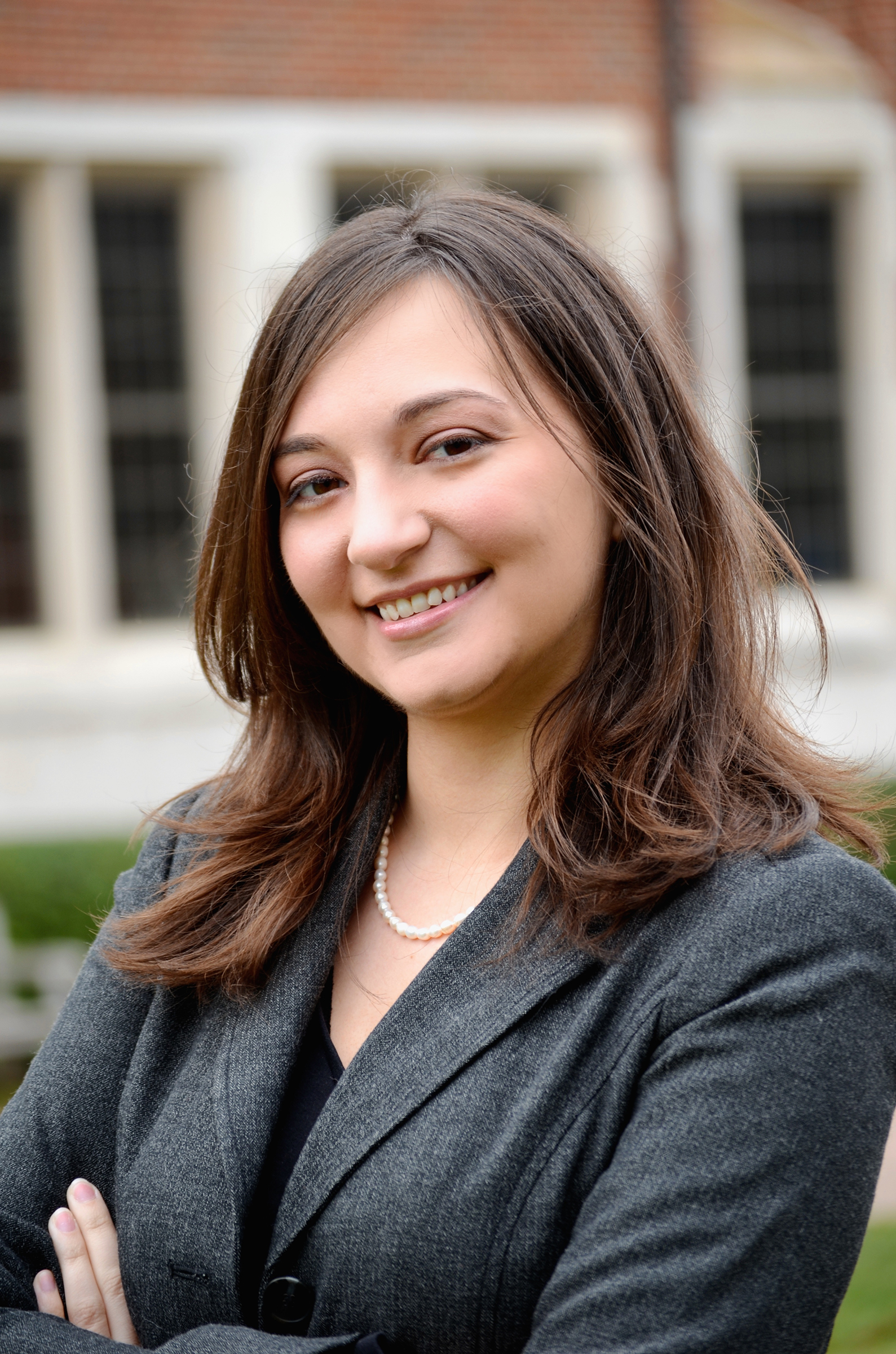
Alyssa Hadley Dunn, associate professor in the Department of Teacher Education at Michigan State University, advises teachers “to be adaptable and flexible.” In her forthcoming book “Teaching on Days After: Educating for Equity in the Wake of Injustice,” Dunn writes, “Center your instruction on what your students need in the moment and commit to equity and justice. Your planned lessons don’t matter as much as taking care of your students’ social and emotional needs.”
Additionally, Dunn provides answers to common thoughts and questions.
Why should teachers talk about the election at all? Shouldn’t teachers leave politics out of the classroom?
Everything in education is political, whether we want it to be or not. Whose stories are or are not told in the curriculum is political. There is no way to leave politics out of the classroom. Our job as teachers is to teach the whole child, not just the student-part of the child. Our students are whole people, and these whole people have been exposed to ideas, rhetoric and concerns about the election both inside and outside of schools. Some students will want and need to talk about their feelings, thoughts and questions. Teachers’ silence can make students feel more isolated and it can increase the effects of trauma.
Isn’t talking about politics too political? Shouldn’t teachers project neutrality?
Being ‘neutral’ and being ‘partisan’ are not synonymous. Teachers cannot and should not tell students who to vote for or pressure them to feel a certain way. Rather, teachers can and should support students in becoming critical thinkers who can analyze policies, decisions and rhetoric through lenses of justice and equity. Teaching on days after major events, traumas or tragedies is not a “neutral” endeavor.
We have to think deeply about what “neutrality” really means. Is “neutrality” ever possible? Who (and what) does “neutrality” protect? As scholar Tyrone Howard has said in his work, “Where issues of racism and inequity are concerned, neutrality, silence and inaction all serve as ringing endorsements for racial oppression and inequity.”
How much time should be devoted to election coverage? Is it appropriate to leave these discussions to the social studies and history teachers?
There is nothing more important for students than feeling like their lives are honored and reflected in their learning, especially in the wake of an election or other major event. The amount of time devoted to teaching about an election will depend on what the students in each context need; there is no singular answer because there is no singular context. Students do not stop being whole people with real-life concerns once they leave social studies and history classes either. All grade levels and content areas can have these important discussions, and we have excellent models of teachers who have done this — in math, science, English, art and more. Regardless of the subject or class you teach, always support students’ agency and voice. Allow them opportunities in multiple modes to share their thinking. Writing prompts, multimedia, small groups, email messages, whole group discussion… Students need to know their voices matter in every classroom.
Further, there are many district and school mission and vision statements that support discussions like this. These mission statements include language about citizenship, civic engagement, diversity, equity and inclusion. Each of these concepts can be turned into actual curriculum in the days after an election. Instead of just talking about civic engagement and equity, we can actually make it happen in our classrooms.
If students are unhappy about results, what’s a good strategy to support them in the days after an election?
In our research after the 2016 election, my colleagues and I found that hundreds of teachers engaged in what we call a “pedagogy of political trauma,” regardless of the contexts in which they taught. We found three important components that teachers reported. First, it is important to attend to students’ social and emotional needs by creating opportunities for them to process, receive comfort and feel safe. Teachers did this in multiple ways… story circles, podcasts, dialogue groups and written reflections. Second, through civic education, teachers attempted to ease students’ fears and sadness by helping them understand how government systems have the potential to protect them and their rights. Teachers did this through lessons about checks and balances, voting rights and the electoral college. And third, because our democratic structures do not always protect or represent all students, especially racially marginalized students, we found that teachers supported students in analyzing systemic and institutional inequities. They taught students about historical and current examples of social movements, how change happens and how to demand that they are heard, protected and represented. This transforms discussions into actions.
Without each of these components, teachers run the risk of exacerbating trauma by silencing students, perpetuating hopelessness or promoting a mythical or unfounded trust in a system that continues to marginalize and oppress vast numbers of people.
Election coverage can be challenging, regardless of the classroom and community demographics. Being prepared is a key component because being unprepared could further harm marginalized students in the classroom. Teachers should know and practice mindful communication practices and interrupter phrases to ensure that they know how to intervene if necessary. And, most importantly, teachers should always check in with their students to see what would be most supportive.
Educators interested in participating in research by providing feedback about their teaching experiences post-2020 election are encouraged to complete a short, confidential questionnaire.