Jump to HeaderJump to Main ContentJump to Footer
Michigan State University
MSUTODAY
  • Browse Stories By

    Topics

    Explore stories by subject area

    • Arts and Culture
    • Business and Economy
    • Climate and Environment
    • Education and Learning
    • Engineering, Science and Technology
    • Government and Society
    • Health and Medicine
    • Media and Communications
    • MSU Leadership and Impact
    • Sports and Recreation
    • Student and Campus Experience
    View All Stories

    Collections

    Curated story series

    • Turfgrass
    • Ask the Expert
    • Big Ideas
    • Climate solutions
    • Water at MSU
    • Mobility
    • Spartan Perspectives
    • Student views
    • Graduate voices
    • Faculty voices
    View All Collections

    Featured

    Editor's picks

    • 9 reasons to love being a Spartan

      Aug. 28, 2026

      9 reasons to love being a Spartan

    • NIH awards multi-university team over $4M to improve women’s health

      Sept. 15, 2026

      NIH awards multi-university team over $4M to improve women’s health

MSUTODAY
  • Browse Stories By

< Browse Stories By

Topics

Explore stories by subject area

  • Arts and Culture
  • Business and Economy
  • Climate and Environment
  • Education and Learning
  • Engineering, Science and Technology
  • Government and Society
  • Health and Medicine
  • Media and Communications
  • MSU Leadership and Impact
  • Sports and Recreation
  • Student and Campus Experience
  • View All Stories

Collections

Curated story series

  • Turfgrass
  • Ask the Expert
  • Big Ideas
  • Climate solutions
  • Water at MSU
  • Mobility
  • Spartan Perspectives
  • Student views
  • Graduate voices
  • Faculty voices
  • View All Collections

Featured

Editor's picks

  • 9 reasons to love being a Spartan

    Aug. 28, 2026

    9 reasons to love being a Spartan

  • NIH awards multi-university team over $4M to improve women’s health

    Sept. 15, 2026

    NIH awards multi-university team over $4M to improve women’s health

  • For Media
  • Experts
  • Releases and Statements
  • Sign Up
  • Update Information

Resources

  • A to Z Index
  • Find People
  • Maps
  • Email
  • Student Information System (SIS)
  • D2L
  • Libraries
  • Tech Support
  • MSU Misconduct Hotline
  • Social Media Directory
  • Events Calendar
  • For Media
Michigan State University
MSUToday
  • For Media
  • Experts
  • Releases and Statements
  • Sign Up
  • Update Information
Climate and Environment

July 29, 2020

MSU researcher earns grant to study effects of droughts

By: Zach Richardson

Michigan State University biologist Sarah Evans has received a three-year, $1.4 million grant from the National Science Foundation’s Division of Environmental Biology to study the effect that droughts have on soil and the carbon cycling process — a critical determinant of carbon dioxide in our atmosphere and future climate change.

Drought threatens ecosystems and crop production worldwide and will become more frequent in the future in many regions. Soils store four times more carbon than plants and animals and emit more carbon than human causes. This ability to store carbon makes soils more fertile and combats climate change by keeping carbon dioxide out of the air. Drought is likely to change storage in soils but it’s unclear how. The “how” is critical for making accurate predictions of climate change — if drought causes soils to store less carbon, it could become a vicious cycle that affects both climate and agriculture, said Evans, lead investigator on the grant, which begins Sept. 1.

“A cool thing about this grant is that I've been thinking about some of these ideas since my Ph.D. program,” said Evans, an assistant professor who holds joint appointments in the Departments of Integrative Biology and Microbiology and Molecular Genetics in the College of Natural Science, and is an MSU Kellogg Biological Station faculty member. “But at that time, I worked in one or two locations, and now we are sampling all over the world so we can improve carbon models”

Evans and her team will study how soils respond to a lack of rainfall and hope to create predictive models to assist in sustaining ecosystems, crop production and even combatting climate change. A key element of this study is the use of an existing network of drought experiments.

“As you might imagine,” Evans said, “it’s hard for scientists to perform a drought experiment — you have to change the rain. But changing it experimentally is much more powerful. If you just wait around for drought, you haven’t controlled for other things happening that year. Besides, it’s hard to plan for a 100-year drought, even if they are getting more common.”

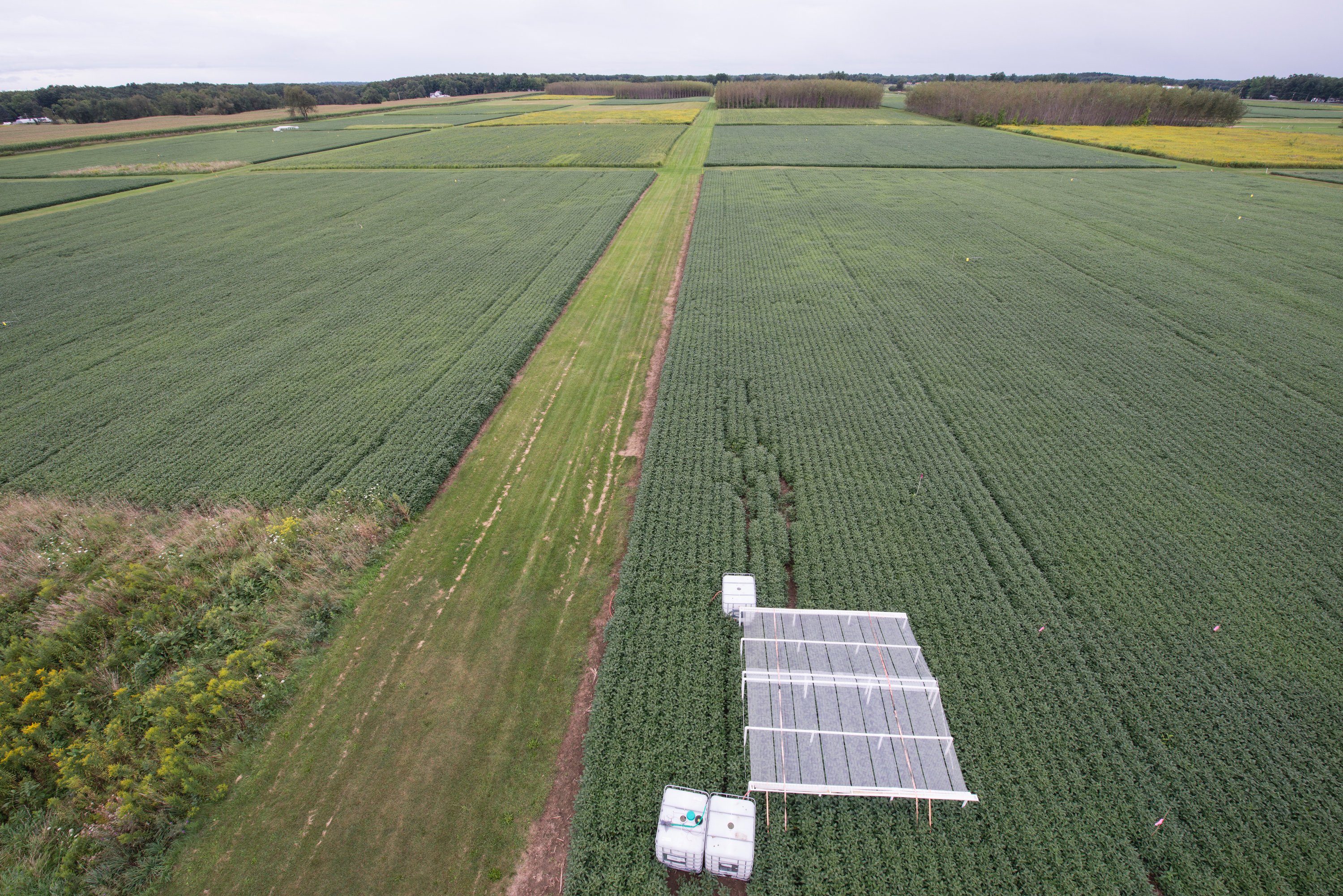
The team will sample soils from experiments that create drought by covering land with a shelter. They will sample 39 sites that have created similar droughts all over the world as part of the DroughtNet Research Coordination Network and can compare the results in a standardized way.

“What’s also unique about this project is that it integrates measurements and modeling,” Evans said. “This is crucial because scientists often say that our measurements on climate and carbon cycling will inform models that are used in things such as the Intergovernmental Panel on Climate Change, but we will collect the data and do the modeling in one proposal. How much soil carbon is going to contribute to carbon dioxide in the air is a big unknown and has the potential to alter the course of climate change. 

“Accurate predictions of carbon cycling and climate change will be essential for human adaptation and mitigation efforts,” Evans said. “This proposal will quantify a critical component to improving the accuracy of carbon models: the global response of soils to severe drought.” 

Grant co-investigators are Steve Allison of UC Irvine and Christine Hawkes of North Carolina State University.

sarah-evans
soil-profile-2
rainout-shelter
sarah-evans
Sarah Evans, assistant professor in the Departments of Integrative Biology and Microbiology and Molecular Genetics in the College of Natural Science, and an MSU Kellogg Biological Station faculty member.
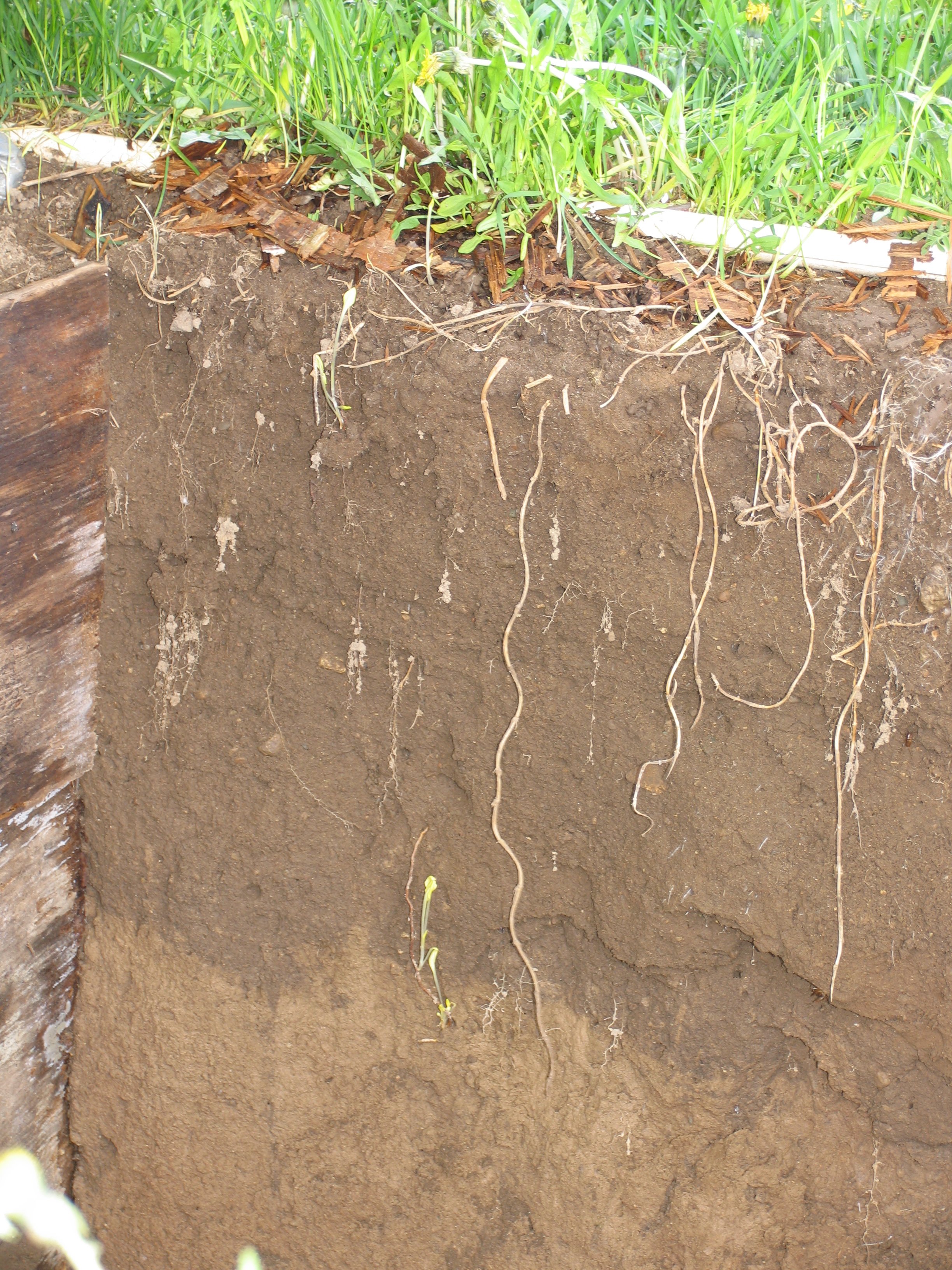
Soil stores more carbon than the air, plants and animals combined, and emits more carbon as carbon dioxide than anthropogenic sources. Photo credit: Julie Doll
A rainout shelter that excludes rainfall and creates drought, here at the Kellogg Biological Station Long Term Ecological Research Site. This project uses rainout shelters all over the world to examine the effect of drought on carbon cycling in a standardized way. Photo Credit: K.Stepnitz, Michigan State University
Sarah Evans, assistant professor in the Departments of Integrative Biology and Microbiology and Molecular Genetics in the College of Natural Science, and an MSU Kellogg Biological Station faculty member.

01 / 04

MEDIA CONTACTS

Val Osowski, Sarah Evans
Climate and EnvironmentNatural SciencesEngineering, Science and TechnologyClimate and Climate Solutions

Latest News

MSUToday Weekly Update

The MSUToday Weekly Update email showcases how Spartans are making a difference through academic excellence, research impact and community outreach. Get inspired by these stories of innovation, collaboration and determination. Plus, enjoy photos and videos of campus and more MSU content to help keep you connected to the Spartan community.

Sign UpUpdate My Information

Connect With Us

Visit our Facebook pageVisit our page on XVisit our Instagram pageVisit our LinkedIn pageVisit our YouTube pageVisit our TikTok page

Health and Safety

  • MSU Police and Public Safety
  • Olin Health Center
  • Counseling & Psychiatric Services (CAPS)
  • University Health and Wellbeing
  • MSU Health Care
  • Civil Rights and Title IX
  • Our Commitment
  • Center for Survivors
  • Security & Fire Safety Report
  • University Policy on Relationship Violence and Sexual Misconduct
  • Notice of Non-Discrimination, Anti-Harassment and Non-Retaliation
  • Health Care Non-Discrimination Notice

Support Services

  • Disability Resources
  • Supportive Services
  • Learning Resources

Working at MSU

  • Human Resources
  • EBS Login
  • Job Postings
  • Employee Assistance Program

Reports

  • CARES Act Funding
  • Student Achievement and Outcomes

Contact us

517-355-1855

Address

Michigan State University 426 Auditorium Road East Lansing, MI 48824

Follow Us

  • Visit our Facebook page
  • Visit our page on X
  • Visit our Instagram page
  • Visit our TikTok page
  • Visit our LinkedIn page
  • Visit our YouTube page

If you're having accessibility issues, please let us know.

Know More: Campus Safety Information and ResourcesTransparency Reporting: Budget & Salary/Compensation
  • Contact Information|
  • Site Map|
  • Privacy Statement|
  • Site Accessibility|
  • Call MSU: (517) 355-1855|
  • Visit: msu.edu|
  • Notice of Nondiscrimination|

SPARTANS WILL|© Michigan State University|