Six Michigan State University College of Natural Science, or NatSci, researchers are recipients of 2019 National Science Foundation, or NSF, Early CAREER Faculty Awards.
The CAREER Award is one of NSF’s most prestigious honors. The grants support faculty members early in their profession who exemplify the role of teacher-scholars through their outstanding research, excellent education and the integration of the two.
Collectively, the five-year grants, from 2019 to 2024, total more than $3.2 million and will support research done by six of MSU’s most talented scientists already making unprecedented strides in their respective fields. All six awardees will use a portion of their funds to leverage partnerships with MSU outreach programs, extending their nationally recognized science to students of all ages throughout Michigan.
“The achievements of this outstanding group of faculty will ensure that NatSci continues to excel and grow in STEM research and teaching performance,” said Phil Duxbury, NatSci dean. “These emerging leaders now have the opportunity to clearly communicate the ways NatSci research excellence positively impacts the broader community in Michigan, nationwide and in the international sphere."
The recipients are:
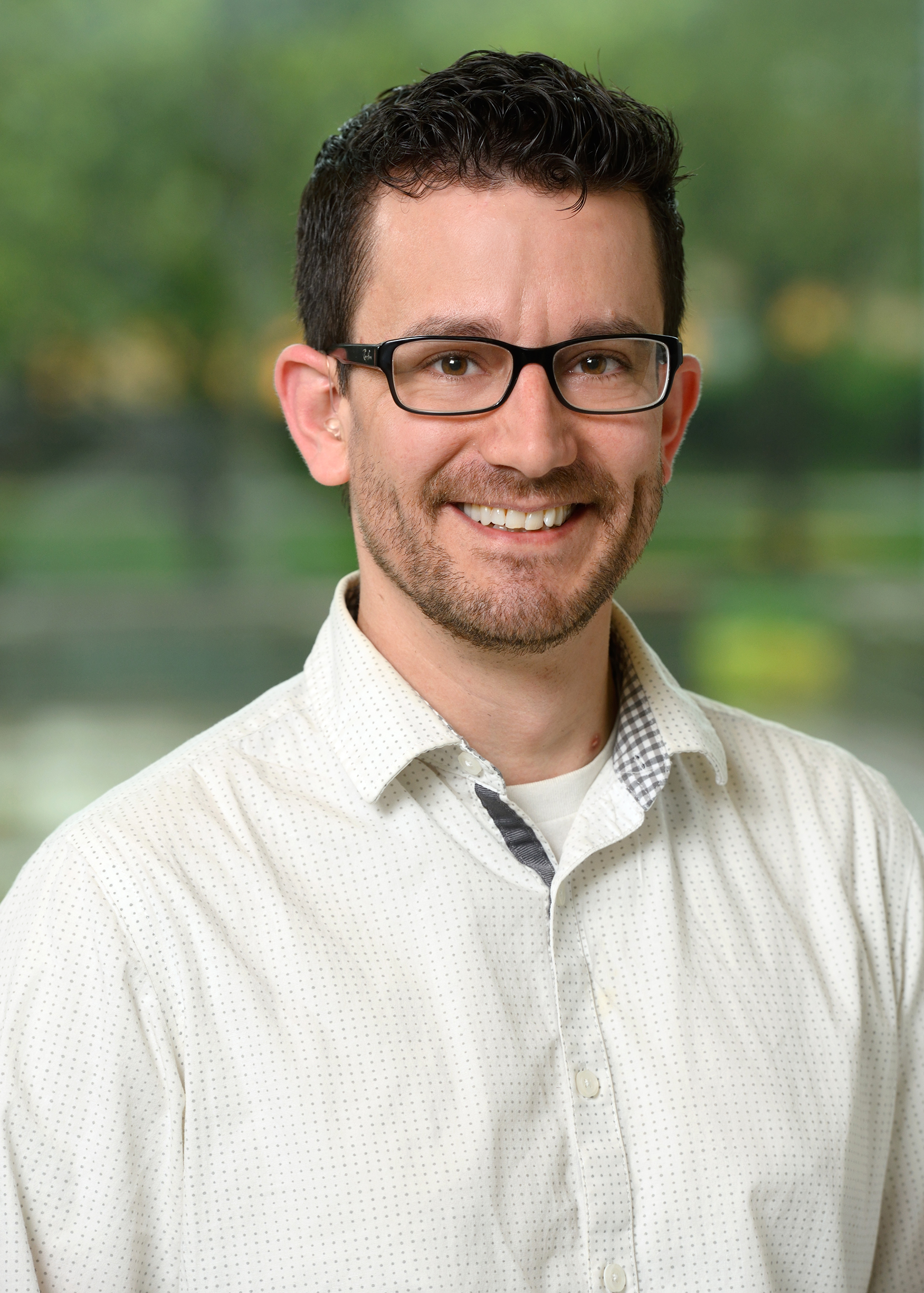
Daniel Ducat, assistant professor in the Department of Biochemistry and Molecular Biology, received $1,033,970 from NSF’s Division of Systems and Synthetic Biology to investigate the fundamental interactions that underpin resilient microbial partnerships and may be key to solving some of the earth’s biggest resource challenges. Ducat’s team will pair cyanobacteria, ancient microbes that have been engineered to use light and CO2to produce sucrose, together with microbes that utilize the sucrose to produce environmentally sustainable materials such as biofuel or bioplastic.
“Getting the call about the award put me over the moon,” said Ducat, whose team will build new, greatly simplified microbial communities to gain insight into how natural symbioses between bacteria evolve. “I get to research new ideas that offer the opportunity to be really creative in the ways that we think about microbial communities, and I was able to recruit new members to the lab who are already proving to be smart, talented and wonderfully fun to work with.”
The NSF award will support two graduate students and a postdoctoral student, provide multiple undergraduate research lab opportunities and promote public forums to discuss the potential benefits and ethics of bioengineering hosted at the Michigan Science Center in Detroit this summer.
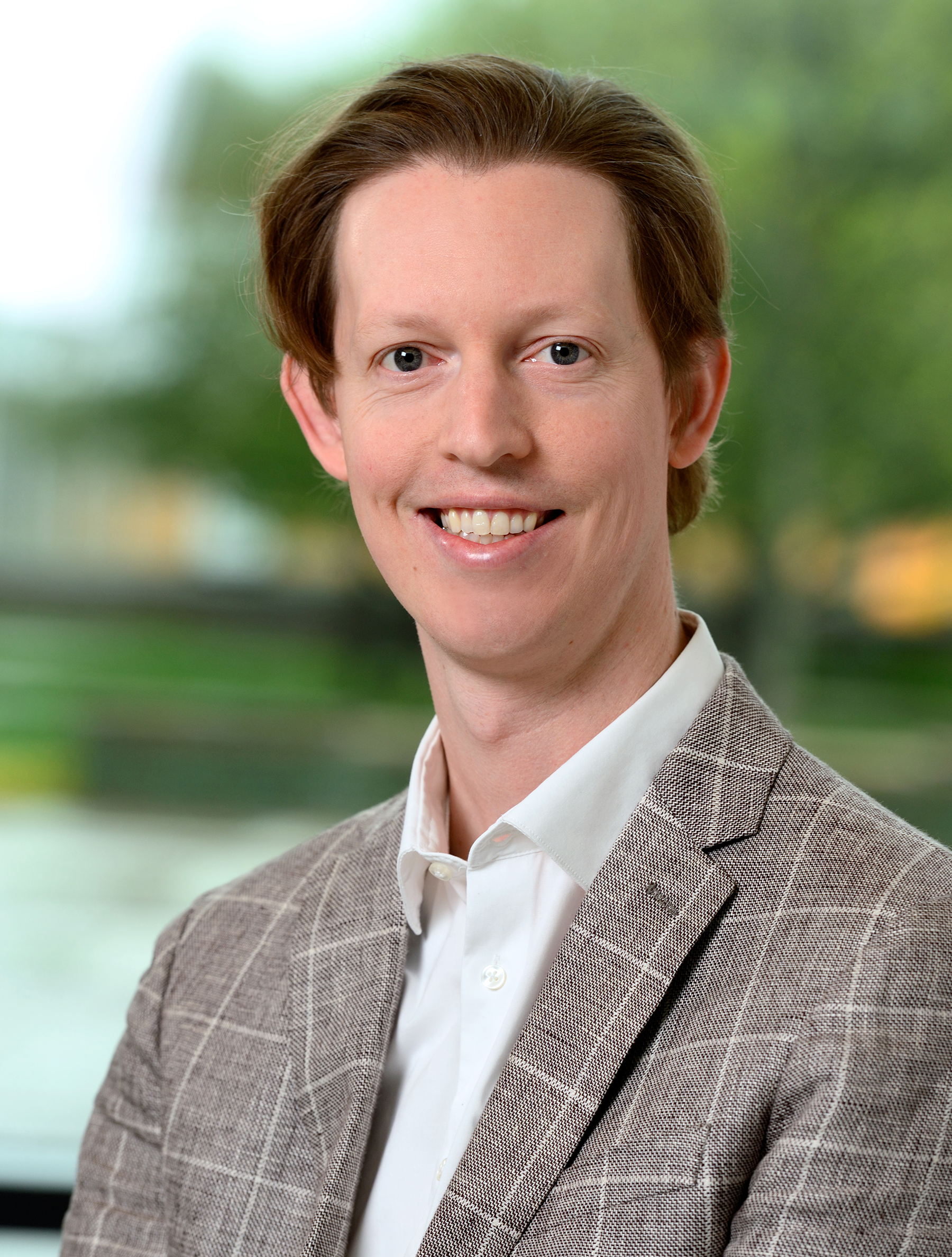
Matthew Hirn, assistant professor in the Department of Mathematics, received $400,000 from NSF’s Division of Mathematical Sciences to tackle a fundamental problem now facing science: how to interpret, analyze and use massive amounts of data generated in engineering and the physical sciences. Hirn has already made significant strides into new algorithmic paradigms capable of parsing intricate and subtle data sets across numerous scales. The CAREER grant will further his efforts in machine learning, opening new avenues in quantum chemistry, materials science and drug discovery.
“This award reflects not just work that I’ve done, but the work that all of my graduate students and postdocs have done together,” said Hirn, who is currently advising four graduate students and mentoring three postdoctoral researchers. “It’s really gratifying to see the team’s work recognized through the CAREER award, and it affirms the project has a lot of potential in the future.”
As part of the project, Hirn plans to increase the participation of undergraduate students often underrepresented in STEM courses by offering an “alternate spring break.” Hirn’s team, in conjunction with the Department of Computational Mathematics, Science and Engineering, will design, promote and lead week-long activities in data science.
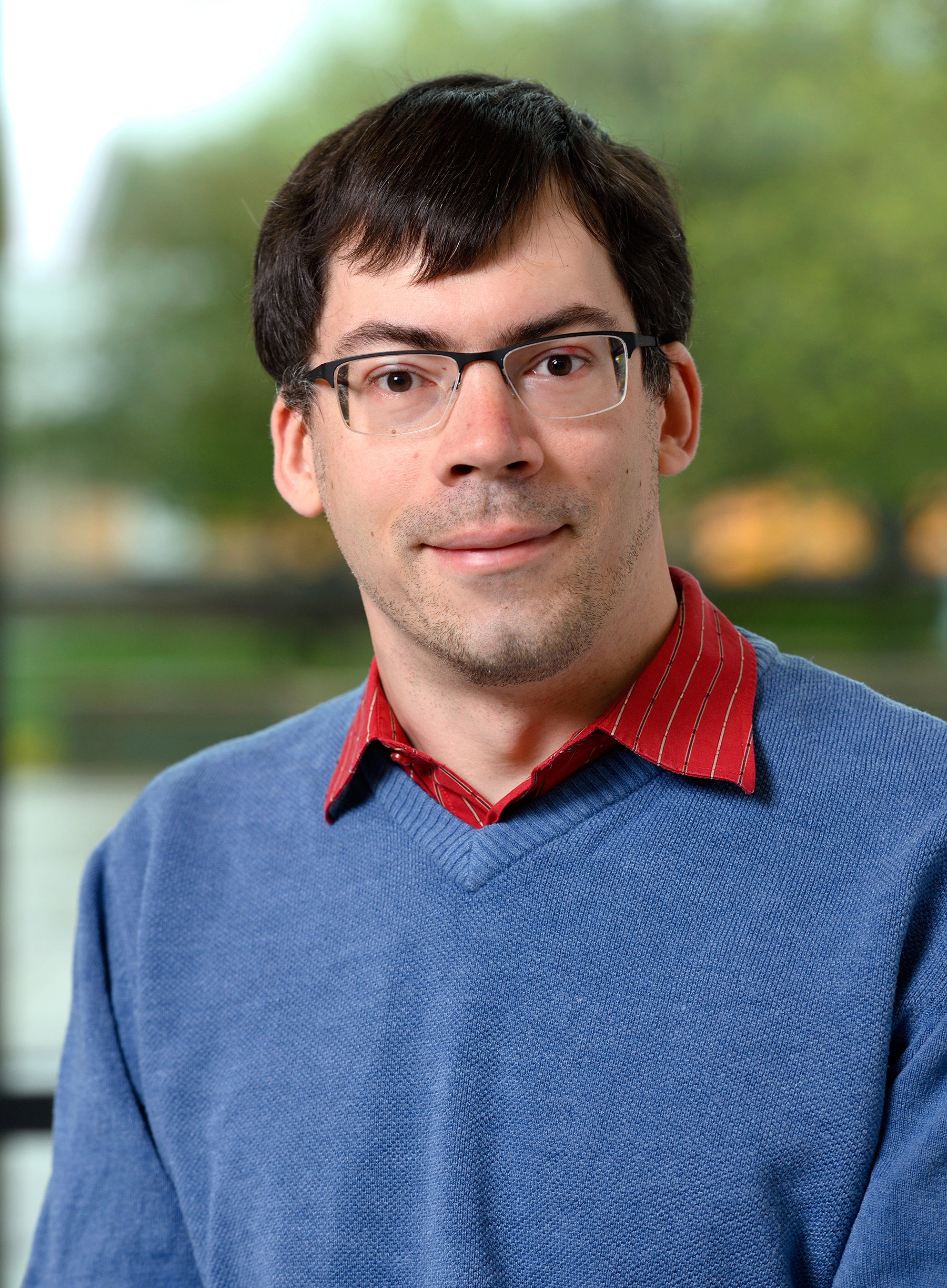
Ilya Kachkovskiy, assistant professor in the Department of Mathematics, received a $400,000 grant from NSF’s Division of Mathematical Sciences to investigate his groundbreaking theory that particles in a non-randomized, or deterministic, environment may have physical properties similar to random ones. The CAREER grant is a boon for Kachkovskiy’s well-respected research, providing him with funds to partially support a postdoctoral position and to develop a course for third year students in the CHAMP program, a class for high school students in underrepresented communities.
“I’ve worked with talented high school students both in Russia and in the U.S. and am excited to be doing it in a new format.” Kachkovskiy said. “Our team will create high school courses that illustrate connections between linear algebra and physics and connect students to scientists and their research methods, with an emphasis on motivating underrepresented students for a possible future in STEM.
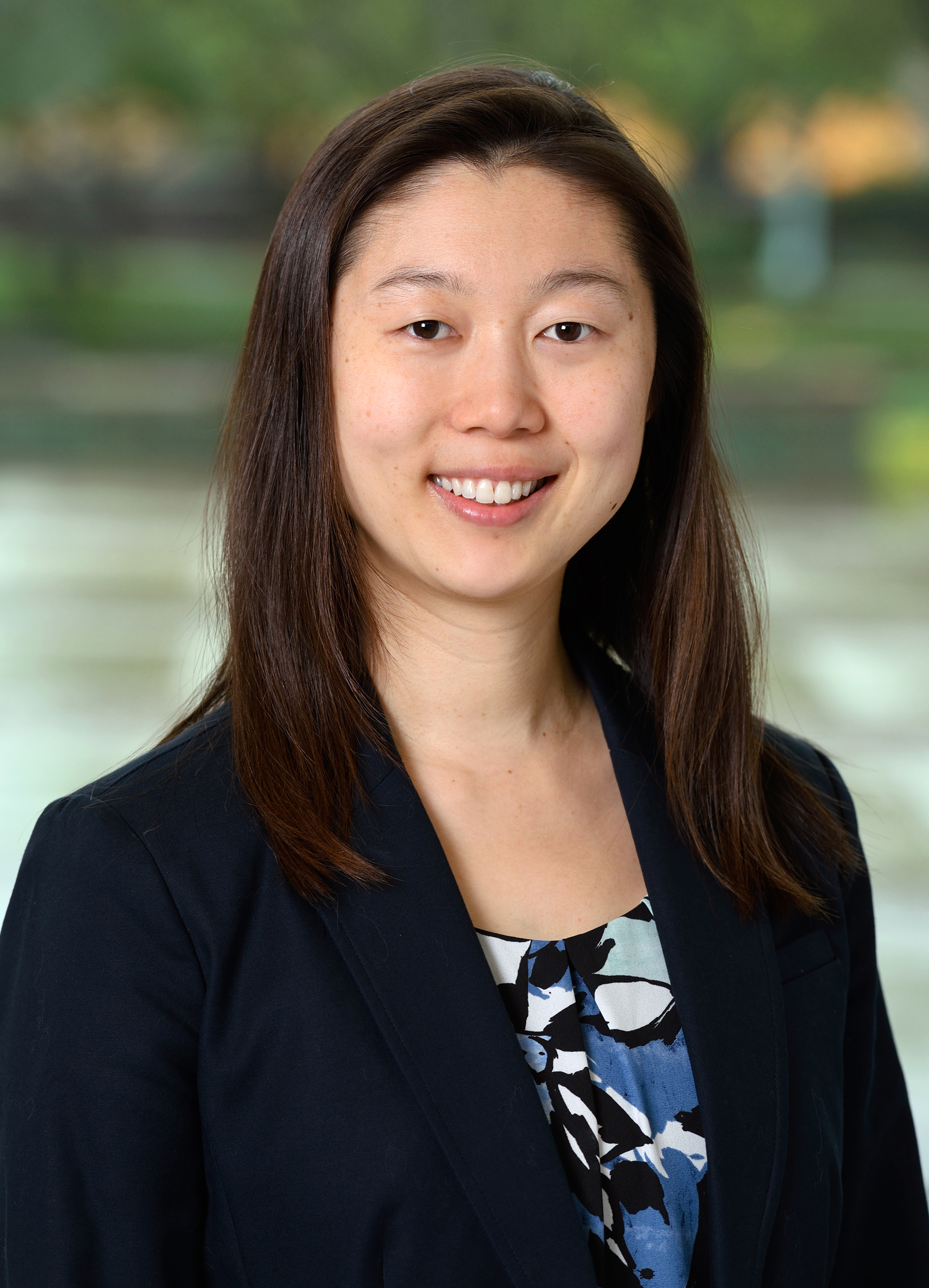
Sophia Lunt, assistant professor in the Department of Biochemistry and Molecular Biology, received $500,000 from NSF’s Division of Chemical, Bioengineering, Environmental and Transport Systems to create fluorescent probes that will enhance cell imaging and photodynamic therapy, or PTD, a promising treatment that uses photosensitizing agents, along with light, to kill cancer cells.
“It is a great honor to receive this award, and the Lunt Lab is excited to develop the next generation of fluorescent agents for imaging and therapy with NSF support,” Lunt said. “MSU has a rich history of developing leading therapies, and we aim to continue that tradition by developing an innovative approach to improving photodynamic materials and diagnostic tools.”
Lunt and her team will also use the funds to “light up” classrooms and the MSU Museum with creative outreach programs.
“Our research will integrate with and inspire K-12 classrooms with hands-on science activities,” Lunt said. “We plan to assemble fluorescence imaging kits for education modules and work with the MSU Museum to create an ‘Art of Fluorescence’ exhibit.”
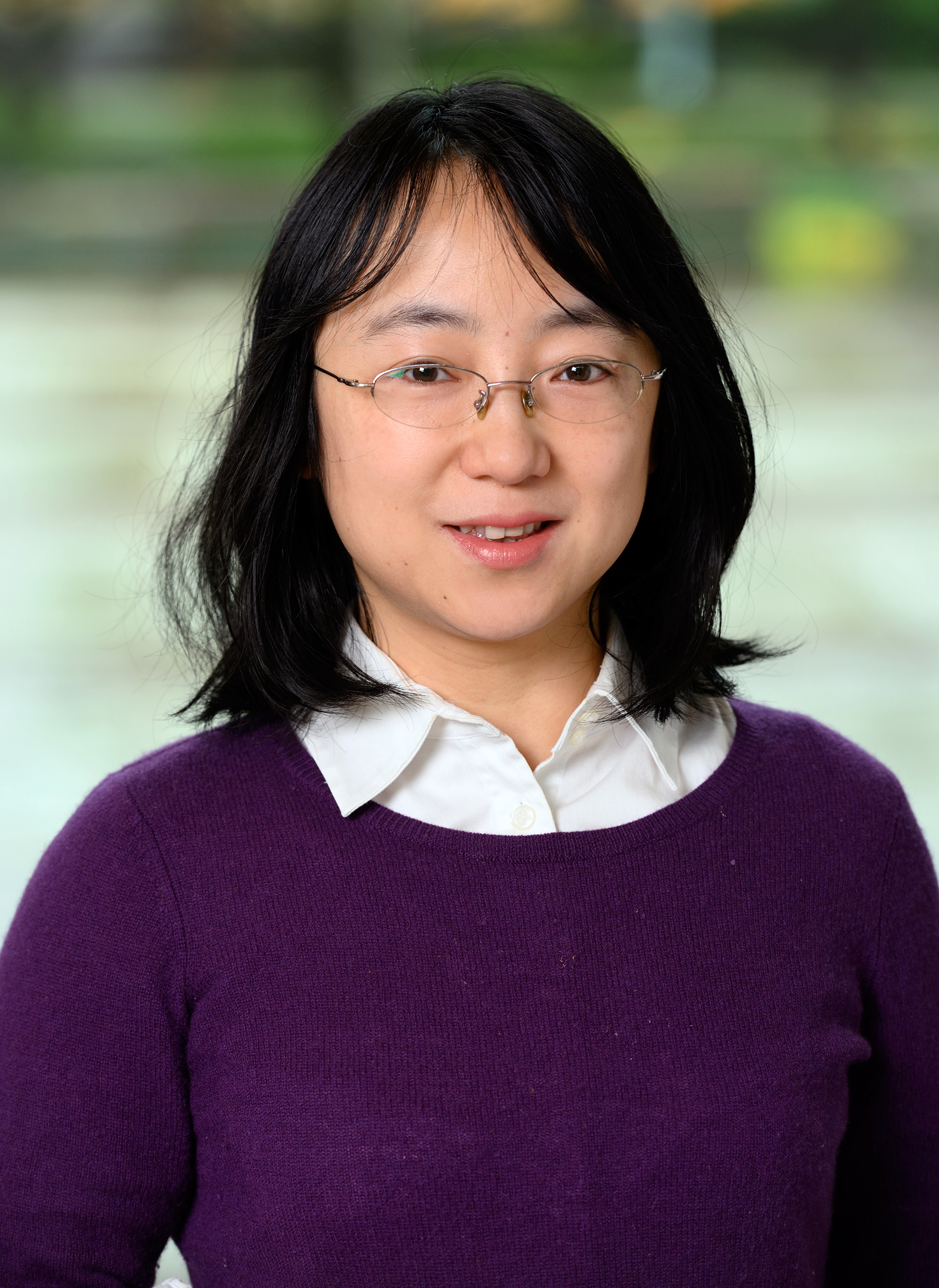
Zhenqi Wang, assistant professor in the Department of Mathematics, received $400,000 from NSF’s Division of Mathematical Sciences to support her investigations of rigidity phenomena in dynamical systems. The resulting computational techniques will have applications in almost every branch of mathematics. The grant will support Wang in her efforts to develop a pipeline for the recruitment, retention and early stage research exposure of undergraduate students. By training and mentoring students from the U.S. and China, Wang hopes to populate the field of dynamical systems with equally dynamic researchers.
“It is a great honor for me to receive the CAREER Award,” Wang said. “I am always looking to get more young researchers and students involved in this very interesting research area, and the grant will support junior researchers and graduate students from the U.S. and around the world to come together and exchange ideas, benefitting both my future research and future outreach programs.”
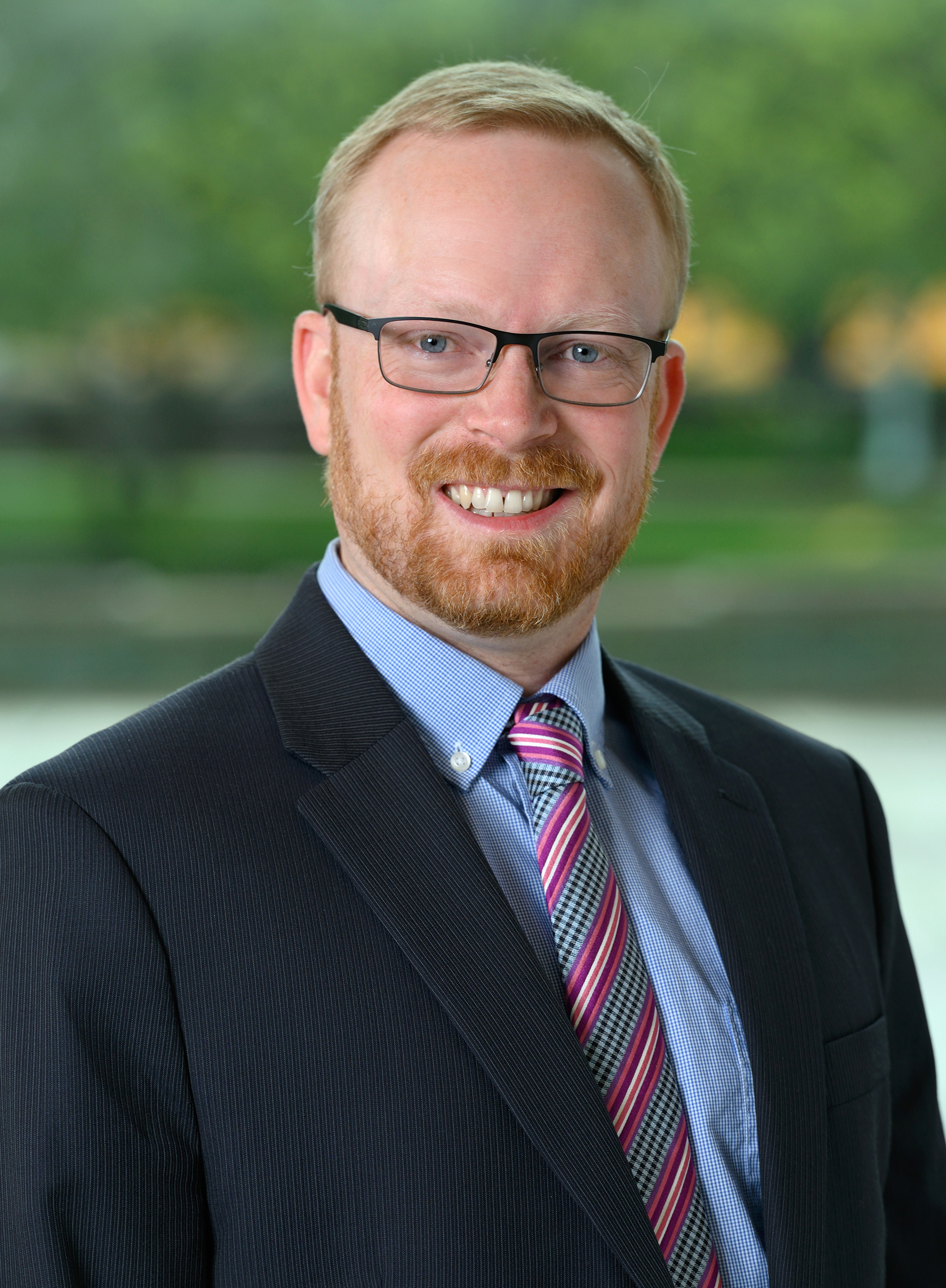
Jay Zarnetske, assistant professor in the Department of Earth and Environmental Sciences, received $470,000 from NSF’s Division of Earth and Hydrologic Sciences for research that is reshaping theories of global carbon cycling. Zarnetske and his team have shown that water, infused with dissolved organic carbon, or DOC, picked up from plants and soils, can determine whether an ecosystem is a net carbon source or sink, but little is known about how and when DOC moves through rivers and ecosystems, especially during floods. With support from the CAREER grant, Zarnetske’s team will conduct one of the largest and most geographically diverse analyses of river DOC dynamics ever done.
“I am so grateful to have this opportunity—it is awesome, plain and simple,” Zarnetske said. “Through this project, I get to push our technical knowledge of how to measure and predict the movement of carbon and water through watersheds across North America and work with a team of MSU students and outreach specialists to push our ability to better communicate how essential and amazing water is to all aspects of our lives.”
Zarnetske’s team will use the award to create experiential learning opportunities for K-12, life–learners and policy makers, working with MSU affiliated outreach institutions such as the MSU HUB for Innovation in Learning and Technology, the MSU Museum and the MSU Kellogg Biological Station.

