Jump to HeaderJump to Main ContentJump to Footer
Michigan State University
  • Browse Stories By

    Topics

    Explore stories by subject area

    • Arts and Culture
    • Business and Economy
    • Climate and Environment
    • Education and Learning
    • Engineering, Science and Technology
    • Government and Society
    • Health and Medicine
    • Media and Communications
    • MSU Leadership and Impact
    • Sports and Recreation
    • Student and Campus Experience
    View All Stories

    Collections

    Curated story series

    • Turfgrass
    • Ask the Expert
    • Big Ideas
    • Climate solutions
    • Water at MSU
    • Mobility
    • Spartan Perspectives
    • Student views
    • Graduate voices
    • Faculty voices
    View All Collections

    Featured

    Editor's picks

    • The Spartans behind your favorite Michigan golf courses

      July 22, 2026

      The Spartans behind your favorite Michigan golf courses

    • MSU in the 1990s: 10 Spartan milestones

      July 14, 2026

      MSU in the 1990s: 10 Spartan milestones

MSUTODAY
  • Browse Stories By

< Browse Stories By

Topics

Explore stories by subject area

  • Arts and Culture
  • Business and Economy
  • Climate and Environment
  • Education and Learning
  • Engineering, Science and Technology
  • Government and Society
  • Health and Medicine
  • Media and Communications
  • MSU Leadership and Impact
  • Sports and Recreation
  • Student and Campus Experience
  • View All Stories

Collections

Curated story series

  • Turfgrass
  • Ask the Expert
  • Big Ideas
  • Climate solutions
  • Water at MSU
  • Mobility
  • Spartan Perspectives
  • Student views
  • Graduate voices
  • Faculty voices
  • View All Collections

Featured

Editor's picks

  • The Spartans behind your favorite Michigan golf courses

    July 22, 2026

    The Spartans behind your favorite Michigan golf courses

  • MSU in the 1990s: 10 Spartan milestones

    July 14, 2026

    MSU in the 1990s: 10 Spartan milestones

  • For Media
  • Experts
  • Releases and Statements
  • Sign Up
  • Update Information

Resources

  • A to Z Index
  • Find People
  • Maps
  • Email
  • Student Information System (SIS)
  • D2L
  • Libraries
  • Tech Support
  • MSU Misconduct Hotline
  • Social Media Directory
  • Events Calendar
  • For Media
Michigan State University
MSUToday
  • For Media
  • Experts
  • Releases and Statements
  • Sign Up
  • Update Information
MSUTODAY
Health and Medicine

Dec. 10, 2024

Ask the expert: How is MSU changing the discussion about obesity?

By: Dalin Clark

A team of leaders from the MSU College of Osteopathic Medicine is evaluating ways to change the conversation about obesity — one doctor at a time.


Kim Pfotenhauer, assistant dean for clerkship education at the MSU College of Osteopathic Medicine, is a board-certified osteopathic family physician, a fellowship-trained diabetologist and is board-certified in obesity medicine. Here, she answers questions about her participation in a national project that aims to create and implement curriculum related to obesity education and how it might affect patients to have anti-obesity medications covered by Medicare and Medicaid.
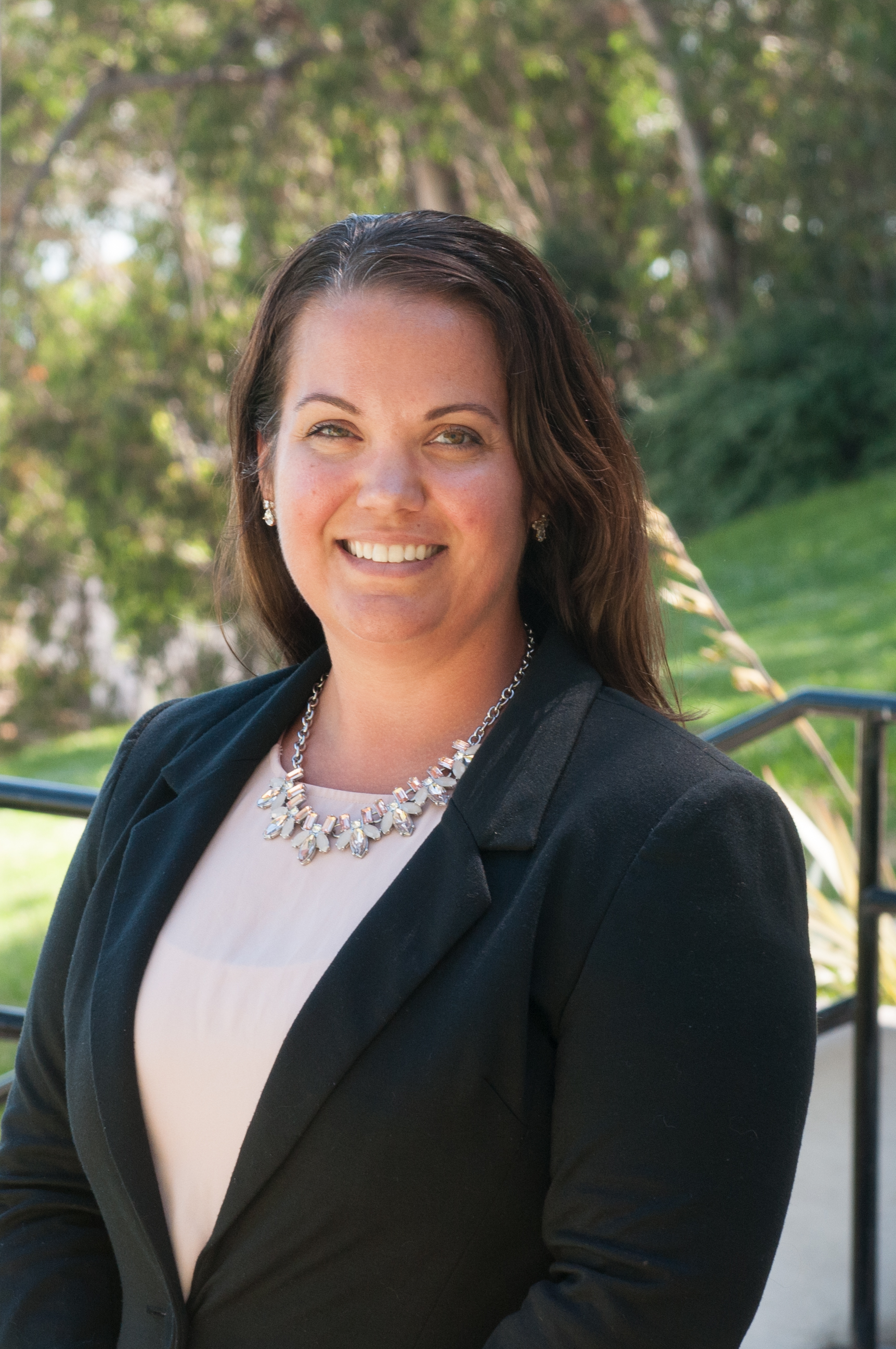
Kim Pfotenhauer, assistant dean for clerkship education at the MSU College of Osteopathic Medicine, is a is a board-certified osteopathic family physician, a fellowship-trained diabetologist and is board-certified in obesity medicine.


How many people in the U.S. are affected by obesity and how does it contribute to other health conditions?


According to the Centers for Disease Control and Prevention, two in five adults have obesity, which means they also have a higher risk of developing diseases like type 2 diabetes, heart disease and some types of cancer.


Historically, there has been a stigma associated with obesity and overweight conditions and that has discouraged patients from talking with their doctors about their concerns. Since 2013, obesity has been considered a disease, not just a lifestyle concern, and that has changed the way people think about it from a medical perspective. In some ways, this is a really new science.


I think that patients who are overweight or obese feel a lot of judgement and bias. They often aren’t treated as if they have a chronic disease, and we need to shift that framework. We can treat this and now we have more tools to use than just lifestyle changes. While lifestyle changes will always be important, we recognize the complexities of this disease, and we are beginning to treat it holistically.


What’s happening at MSU to help prepare new physicians to work more successfully with people who have obesity?


Representatives from the MSU College of Osteopathic Medicine were chosen to work with experts from nine other colleges to develop and implement an obesity curriculum for medical schools. We’re about halfway through the two-year FORWARD Education QI Project which was initiated by The Obesity Society, a group of professionals who collaborate to overcome obesity.


Because obesity is newly categorized as a disease, there isn’t a lot of material in curriculums in many medical schools across the country, so we are implementing 12 free education modules about the comprehensive diagnosis and treatment of obesity into our curriculum. MSU is the only osteopathic medicine program participating in this QI research project, and part of our contribution is to develop curriculum specifically for osteopathic students.


Here at MSU, our students have studied some of this new material in their first-year biomedical sciences course and they’ll get more as they continue through the program. So far, I’m hearing that they appreciate having classroom guidance. No matter what area of medicine students choose, they will be treating patients with overweight and obesity. They need to know how to do that with compassion and the latest evidence-based approaches.


If medications to treat obesity are approved for coverage by Medicare and Medicaid, what could happen?


Well, this won’t be a change for everyone. In Michigan and 15 other states, Medicaid already covers anti-obesity medications. Although these medications have been used for years to treat type 2 diabetes, they are now being used to treat overweight and obesity, which is new. Insurance plans need to catch up. I don’t think anyone could have predicted how popular these medications would become, and we’ve had issues with shortages in addition to coverage. This change would be a big step forward.


I’m excited about the possibility of having Medicare and Medicaid coverage for anti-obesity medications. Many people benefit from taking these medications as part of a comprehensive treatment for diagnoses of overweight and obesity.


And we are seeing results.


Research reported in 2023 showed a decrease in adverse cardiovascular events, like heart attacks and strokes, in people who are treated with certain anti-obesity medications who don’t have type 2 diabetes. Obesity puts patients at risk for over 236 different diseases. If we are looking for the biggest benefit, this is a good place to start.


These medications also are changing the way we treat people who have this chronic disease. Some medications are approved for adolescents, who are also showing increased rates of diagnoses of overweight and obesity. There are also many more medications in development, some of which may help people lose an amount of weight that is equivalent to bariatric or metabolic surgery. Patients now have more options to manage their health, and physicians have more options to treat this challenging chronic disease. 

MEDIA CONTACTS

Dalin Clark
Health and MedicineHealth and Medicine

Collection

more content from this collection

Ask the Expert

Latest News

MSUToday Weekly Update

The MSUToday Weekly Update email showcases how Spartans are making a difference through academic excellence, research impact and community outreach. Get inspired by these stories of innovation, collaboration and determination. Plus, enjoy photos and videos of campus and more MSU content to help keep you connected to the Spartan community.

Sign UpUpdate My Information

Connect With Us

Visit our Facebook pageVisit our page on XVisit our Instagram pageVisit our LinkedIn pageVisit our YouTube pageVisit our TikTok page

Health and Safety

  • MSU Police and Public Safety
  • Olin Health Center
  • Counseling & Psychiatric Services (CAPS)
  • University Health and Wellbeing
  • MSU Health Care
  • Civil Rights and Title IX
  • Our Commitment
  • Center for Survivors
  • Security & Fire Safety Report
  • University Policy on Relationship Violence and Sexual Misconduct
  • Notice of Non-Discrimination, Anti-Harassment and Non-Retaliation
  • Health Care Non-Discrimination Notice

Support Services

  • Disability Resources
  • Supportive Services
  • Learning Resources

Working at MSU

  • Human Resources
  • EBS Login
  • Job Postings
  • Employee Assistance Program

Reports

  • CARES Act Funding
  • Student Achievement and Outcomes

Contact us

517-355-1855

Address

Michigan State University 426 Auditorium Road East Lansing, MI 48824

Follow Us

  • Visit our Facebook page
  • Visit our page on X
  • Visit our Instagram page
  • Visit our TikTok page
  • Visit our LinkedIn page
  • Visit our YouTube page

If you're having accessibility issues, please let us know.

Know More: Campus Safety Information and ResourcesTransparency Reporting: Budget & Salary/Compensation
  • Contact Information|
  • Site Map|
  • Privacy Statement|
  • Site Accessibility|
  • Call MSU: (517) 355-1855|
  • Visit: msu.edu|
  • Notice of Nondiscrimination|

SPARTANS WILL|© Michigan State University|
