Jump to HeaderJump to Main ContentJump to Footer
Michigan State University
  • Browse Stories By

    Topics

    Explore stories by subject area

    • Arts and Culture
    • Business and Economy
    • Climate and Environment
    • Education and Learning
    • Engineering, Science and Technology
    • Government and Society
    • Health and Medicine
    • Media and Communications
    • MSU Leadership and Impact
    • Sports and Recreation
    • Student and Campus Experience
    View All Stories

    Collections

    Curated story series

    • Turfgrass
    • Ask the Expert
    • Big Ideas
    • Climate solutions
    • Water at MSU
    • Mobility
    • Spartan Perspectives
    • Student views
    • Graduate voices
    • Faculty voices
    View All Collections

    Featured

    Editor's picks

    • The Spartans behind your favorite Michigan golf courses

      July 22, 2026

      The Spartans behind your favorite Michigan golf courses

    • MSU in the 1990s: 10 Spartan milestones

      July 14, 2026

      MSU in the 1990s: 10 Spartan milestones

MSUTODAY
  • Browse Stories By

< Browse Stories By

Topics

Explore stories by subject area

  • Arts and Culture
  • Business and Economy
  • Climate and Environment
  • Education and Learning
  • Engineering, Science and Technology
  • Government and Society
  • Health and Medicine
  • Media and Communications
  • MSU Leadership and Impact
  • Sports and Recreation
  • Student and Campus Experience
  • View All Stories

Collections

Curated story series

  • Turfgrass
  • Ask the Expert
  • Big Ideas
  • Climate solutions
  • Water at MSU
  • Mobility
  • Spartan Perspectives
  • Student views
  • Graduate voices
  • Faculty voices
  • View All Collections

Featured

Editor's picks

  • The Spartans behind your favorite Michigan golf courses

    July 22, 2026

    The Spartans behind your favorite Michigan golf courses

  • MSU in the 1990s: 10 Spartan milestones

    July 14, 2026

    MSU in the 1990s: 10 Spartan milestones

  • For Media
  • Experts
  • Releases and Statements
  • Sign Up
  • Update Information

Resources

  • A to Z Index
  • Find People
  • Maps
  • Email
  • Student Information System (SIS)
  • D2L
  • Libraries
  • Tech Support
  • MSU Misconduct Hotline
  • Social Media Directory
  • Events Calendar
  • For Media
Michigan State University
MSUToday
  • For Media
  • Experts
  • Releases and Statements
  • Sign Up
  • Update Information
MSUTODAY
MSU Faculty and Staff

May 17, 2023

Staff voice: Wellness, healing and growth for our Spartan community

This story refers to sensitive details regarding the violence the Michigan State University community experienced in February. FAQs, important updates, messages from campus leaders as well as mental health and supportive resources are available.
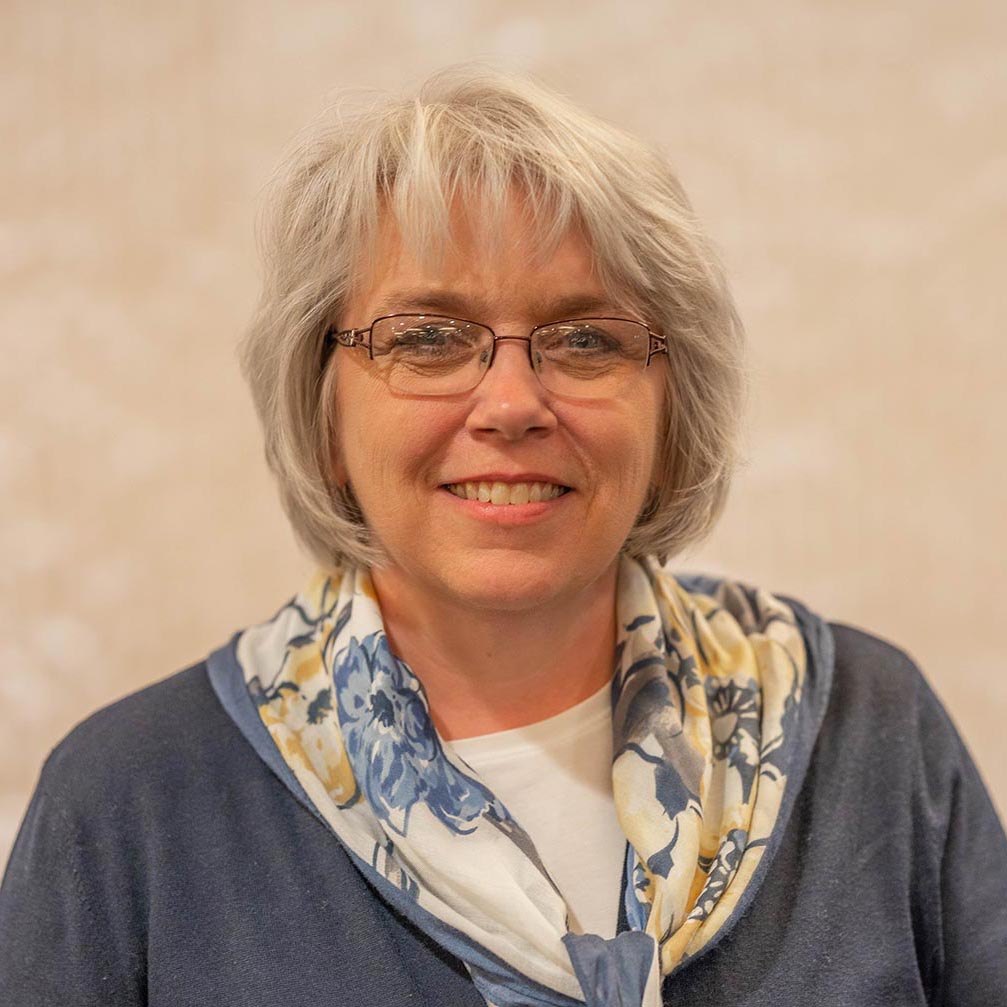
Cheryl Williams-Hecksel
 

Cheryl Williams-Hecksel is a clinical social worker with MSU’s School of Social Work. She coordinates the school’s Evidence-Based Trauma Treatment Certificate. Additionally, she is a founding member of the Trauma Services and Training Network. Here, Williams-Hecksel shares considerations for our individual and collective healing and well-being following February’s campus violence.

During May, Mental Health Awareness Month, I find myself reflecting on how being committed to a trauma-informed perspective can contribute to the wellness, healing and growth of our Spartan community. With that commitment at the forefront, we can come together as individuals and a community to support each other as we heal from our personal and collective experience of trauma and grief.

For many, the trauma and impact of the Feb. 13 campus tragedy has compounded the isolation, anxiety and disparities of the COVID-19 pandemic and the ongoing challenges of racial injustice and conflict in our communities. To say that we are stressed may be an understatement.

Resiliency is often defined as the ability to bounce back and grow through the experience of adversity or trauma. For many trauma survivors, the concept of resiliency is too simplistic, suggesting that quickly bouncing back or staying strong is the answer. But resiliency alone does not capture the complexity of recovering from an event that has so affected our individual and collective sense of safety.

Richard Tedeschi, an author and psychologist specializing in bereavement and trauma, describes post-traumatic growth as “the experience of positive change that occurs as a result of the struggle that comes with highly challenging traumatic experiences.” This growth can make you stronger and cultivate new insights, coping skills and stronger relationships. Our healing — individually and as a community — can be transformative.

Tips for beginning the healing process

A trauma-informed perspective can guide us as we pursue individual and collective healing and well-being. Safety is at the center of trauma-informed work, with a commitment to trust, choice, mutuality and empowerment. Here are some considerations:

  • Well-being starts with the basics: sleep, hydration, nutrition and physical activity.
  • Everyone’s experience is different and unique. It will take some people more time to work through this experience than others. We all deserve to be extended grace without judgement, as well as support and space to make meaning of our experiences and understand what we need to heal.
  • We must acknowledge that our sense of safety has been greatly impacted and it will take time and care to step back into routines. This includes paying close attention to both physical and psychological safety. Psychological safety includes emotional and interpersonal safety.
  • Connection to others is protective. Healing happens in the context of relationships, community and meaningful connections. Quality relationships assure that we feel heard. It is important to come alongside each other for support.
  • We need to check in with ourselves about the messages we have internalized about asking for help. Seeking the help and support we need are critical to healing. It is important that we identify who our supports are and intentionally work to be connected with them. Friends, family, colleagues, neighbors and community members are all important resources.
  • Counseling from a trauma-trained counselor also can be an important step to re-establishing personal safety, maintaining meaningful connections with others and managing the many emotions we may be experiencing.

Well-being and post-traumatic growth are supported by individuals and systems that commit to creating physical and psychological safety. This can be accomplished by fostering meaningful connections with a focus on trust, choice and empowerment for our Spartan community.


MSU Faculty and StaffMSU Leadership and ImpactMental HealthHealth and MedicineSocial SciencesGovernment and Society

Collection

more content from this collection

Staff Voices

Latest News

MSUToday Weekly Update

The MSUToday Weekly Update email showcases how Spartans are making a difference through academic excellence, research impact and community outreach. Get inspired by these stories of innovation, collaboration and determination. Plus, enjoy photos and videos of campus and more MSU content to help keep you connected to the Spartan community.

Sign UpUpdate My Information

Connect With Us

Visit our Facebook pageVisit our page on XVisit our Instagram pageVisit our LinkedIn pageVisit our YouTube pageVisit our TikTok page

Health and Safety

  • MSU Police and Public Safety
  • Olin Health Center
  • Counseling & Psychiatric Services (CAPS)
  • University Health and Wellbeing
  • MSU Health Care
  • Civil Rights and Title IX
  • Our Commitment
  • Center for Survivors
  • Security & Fire Safety Report
  • University Policy on Relationship Violence and Sexual Misconduct
  • Notice of Non-Discrimination, Anti-Harassment and Non-Retaliation
  • Health Care Non-Discrimination Notice

Support Services

  • Disability Resources
  • Supportive Services
  • Learning Resources

Working at MSU

  • Human Resources
  • EBS Login
  • Job Postings
  • Employee Assistance Program

Reports

  • CARES Act Funding
  • Student Achievement and Outcomes

Contact us

517-355-1855

Address

Michigan State University 426 Auditorium Road East Lansing, MI 48824

Follow Us

  • Visit our Facebook page
  • Visit our page on X
  • Visit our Instagram page
  • Visit our TikTok page
  • Visit our LinkedIn page
  • Visit our YouTube page

If you're having accessibility issues, please let us know.

Know More: Campus Safety Information and ResourcesTransparency Reporting: Budget & Salary/Compensation
  • Contact Information|
  • Site Map|
  • Privacy Statement|
  • Site Accessibility|
  • Call MSU: (517) 355-1855|
  • Visit: msu.edu|
  • Notice of Nondiscrimination|

SPARTANS WILL|© Michigan State University|