A new statewide center led by researchers at Henry Ford Health + Michigan State University Health Sciences and Corewell Health will study ways to reduce an alarming number of pregnancy-associated deaths and complications, particularly among Black, Hispanic and rural residents.
The Multilevel Interventions to Advance Maternal Health Equity Center, or MIRACLE, is one of 10 new maternal health research centers funded by the National Institutes of Health, or NIH. Backed by a near $19M million grant, the center will test multiple community-informed interventions to eliminate the disparities in illness and death that occur during pregnancy and postpartum.
In general, the rate of pregnancy-related deaths is higher in the United States than in other high-income countries, including those in the European Union. While pregnancy-related deaths were decreasing in other industrialized countries, they more than doubled in the U.S. between 1987 and 2016 and increased by one-third between 2018 and 2020.
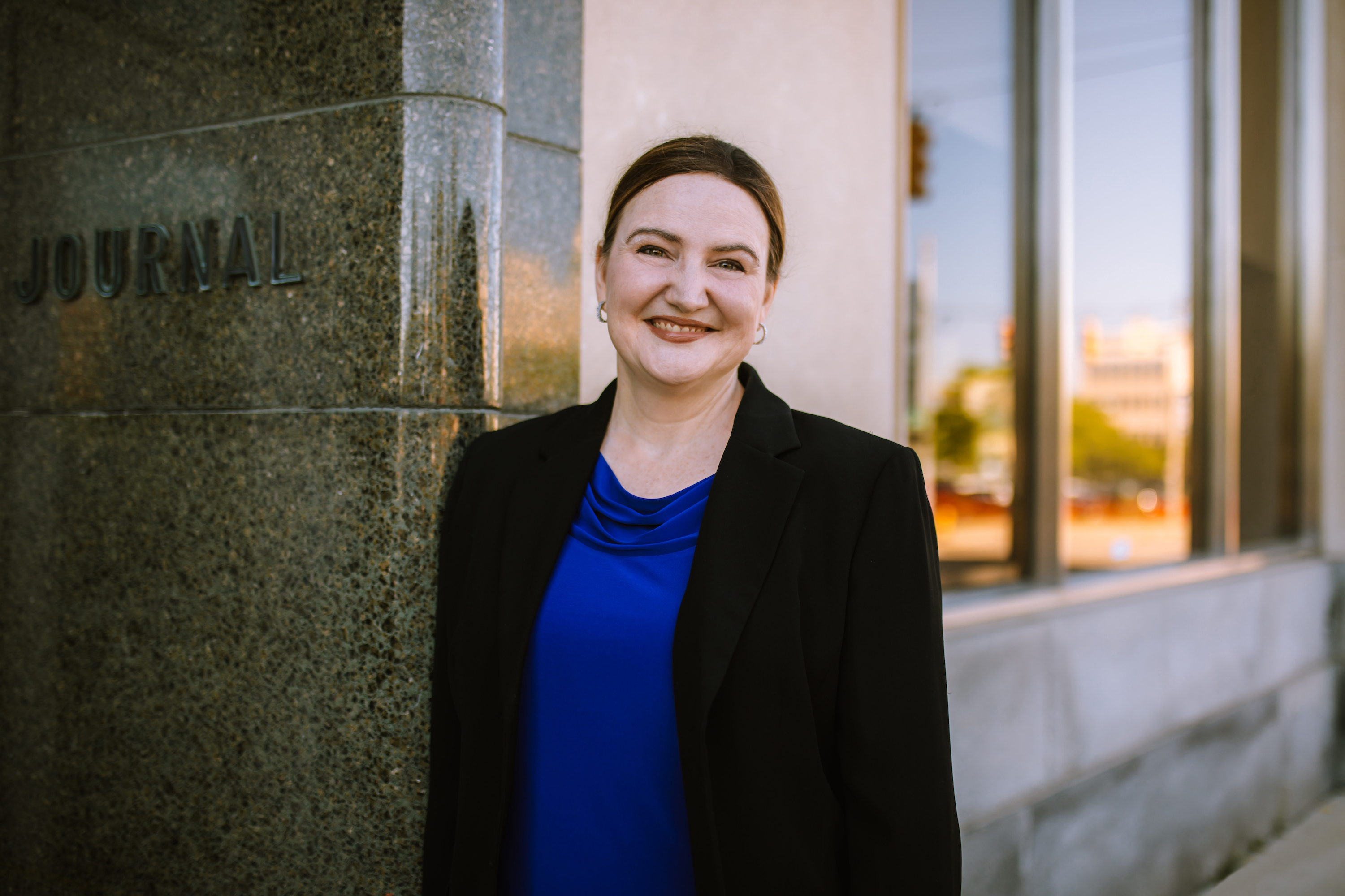
Black women are three to four times more likely to die of pregnancy-related causes than white women and three times more likely to suffer severe complications, such as stroke or hemorrhaging, said Jennifer Johnson, one of the center’s principal investigators and a C.S. Mott Endowed Professor of Public Health in the MSU College of Human Medicine.
“We’re not focusing so much on theory,” said Johnson, a clinical psychologist. “We’re in the trenches, trying to bring real-world changes to improve the health of pregnant and postpartum people.”
Reducing the rate of pregnancy-related deaths and complications and eliminating racial disparities requires a multipronged approach, said Cristian Meghea, a College of Human Medicine associate professor of obstetrics, gynecology and reproductive biology, who is also a principal investigator for the center.
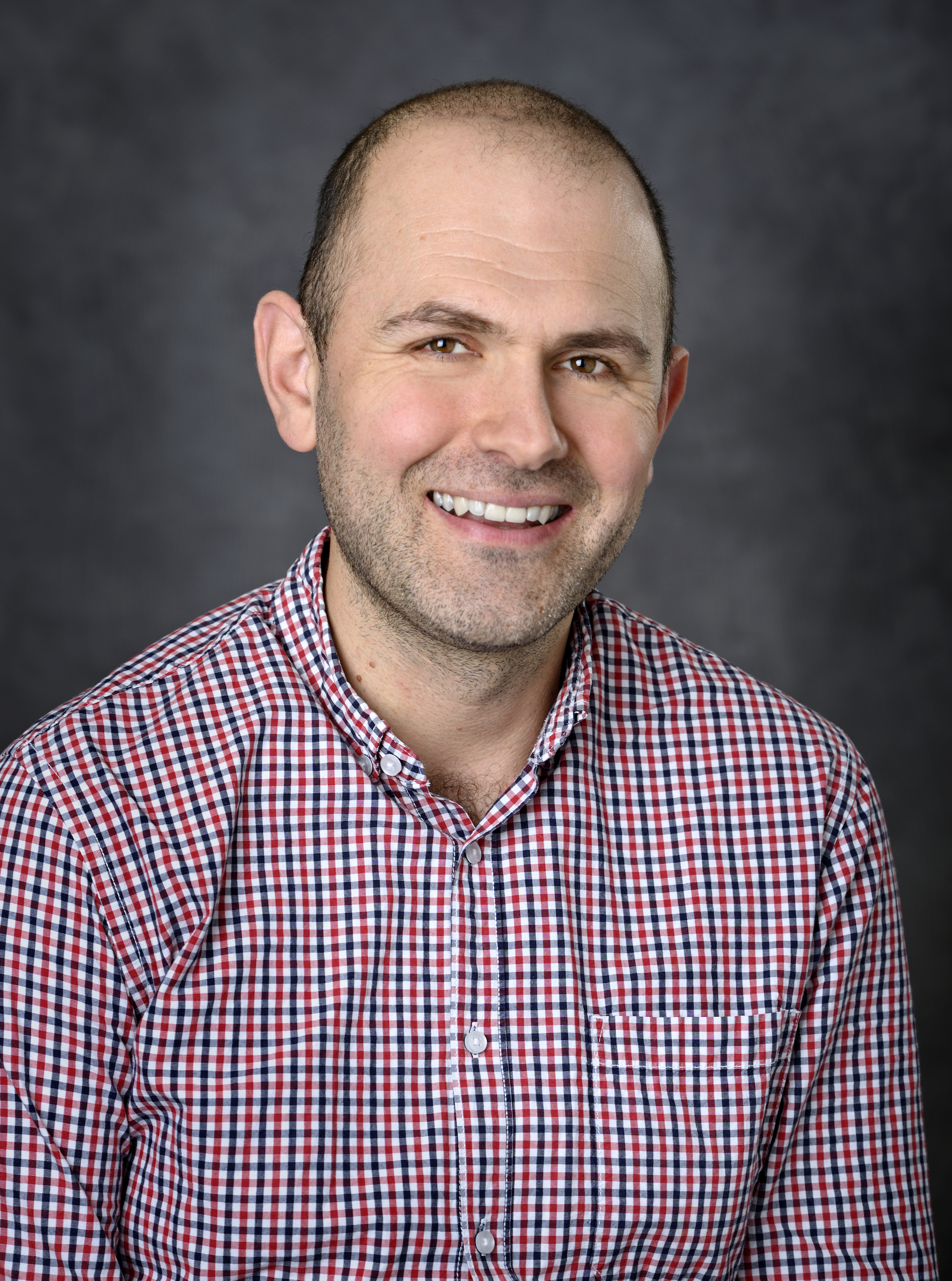
“In the 21st century, those rates should not be that high,” he said. “There is no one silver bullet. It takes a village, so to speak, to improve health care and eliminate these racial disparities. It involves everybody.”
The center is built on partnerships among university researchers, doctors, nurses, other clinical practitioners, community health workers, and brings community and birthing persons’ perspectives and voices into all phases of the research. The partners include Henry Ford Health; Strong Beginnings, a federal Healthy Start project with Corewell Health as fiduciary; the Flint Community Based Organization Partners; Flint Odyssey House; Hurley Medical Center; Munson Healthcare; MyMichigan Health; the Michigan Department of Health and Human Services; and others.
“We would know nothing without our partners,” Johnson said. “These are the people on the front lines.”
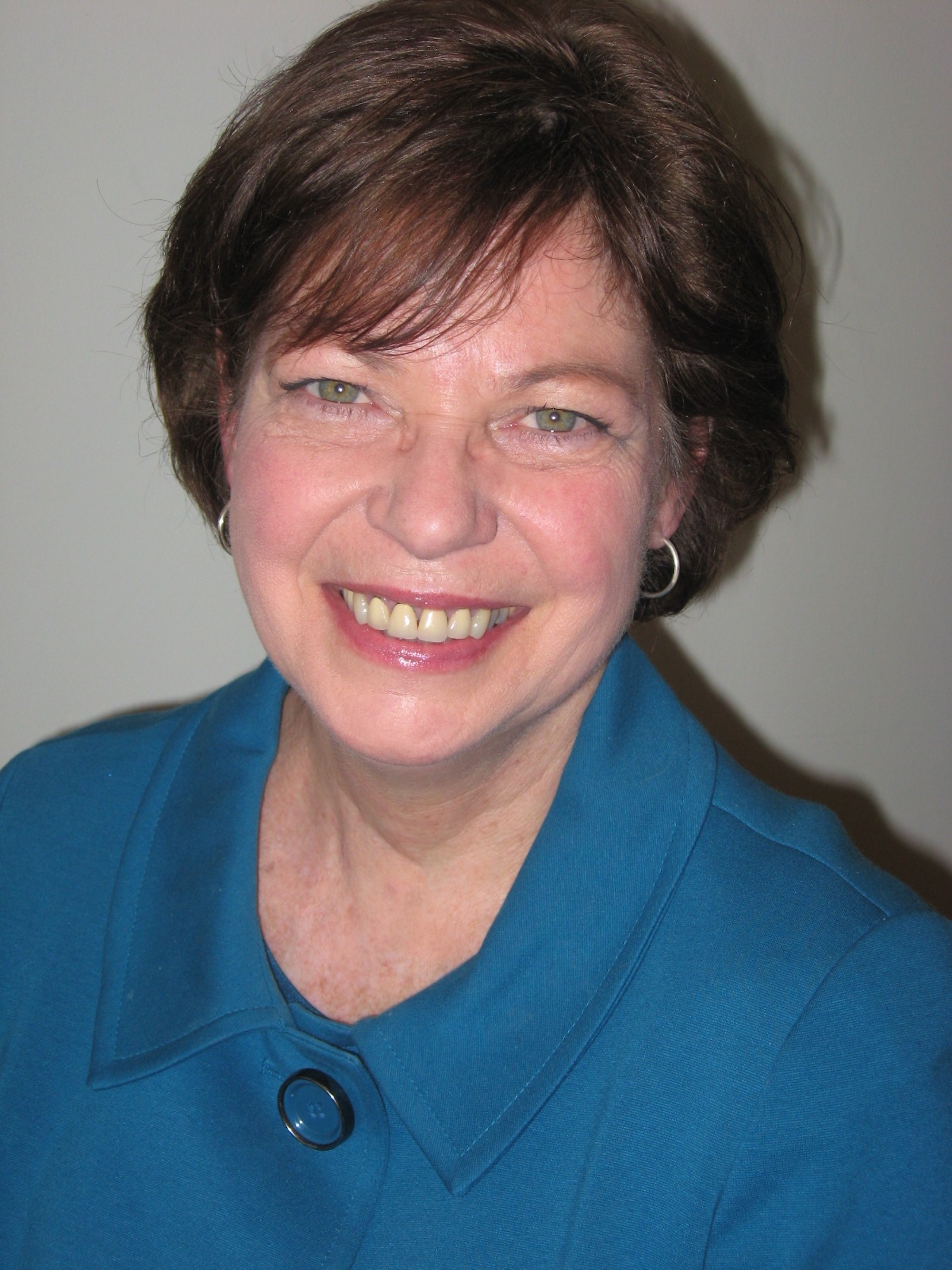
That includes the center’s third principal investigator, Peggy Vander Meulen, from Corewell Health, and director of Strong Beginnings, a federally funded Healthy Start partnership of seven community agencies dedicated to improving racial and ethnic disparities in birth outcomes throughout Kent County.
“As one of the principal investigators for this project, I am thrilled to see this NIH-funded initiative move forward with the potential to impact racial disparities in maternal health across the state of Michigan,” Vander Meulen said. “Our community-based and community-informed program has already demonstrated significant improvements in birth outcomes and service utilization among marginalized communities, and we are eager to see this work expand as a multi-sector collaborative with new partners.”
The center encompasses three projects, each addressing disparity-related issues on multiple levels.
Project 1 uses community health workers, visiting nurses and social workers to coordinate the community and clinical care of pregnant and postpartum Black and Hispanic women by periodically visiting them in their homes. The project builds on work that Meghea and Lee Anne Roman, a professor of obstetrics, gynecology and reproductive biology, have collaborated on for 20 years.
Project 2 expands the use of a digital application developed by Steven Ondersma, College of Human Medicine C.S. Mott Endowed Professor of Public Health. Using the app, Black and rural pregnant women will be able to self-screen for warning signs and chat live with community health workers who can connect them with services.
Project 3 examines the best ways to scale-up best practices for improving maternal care equity in 12 Michigan counties. Because 83% of deaths occur during pregnancy or postpartum (rather than around the time of delivery), the project focuses on quality improvement in community care and the handoff from the hospital to community care.
The center also includes a training program bringing together researchers, practitioners, public health workers, administrators and many others.
Johnson attributed the disparities to structural racism, including policies that have relegated many Black women to lives of poverty in high-crime neighborhoods without easy access to transportation, medical care and child care. Black women, she added, are less likely to be taken seriously when reporting pain or other symptoms.
“I don’t think it’s deliberate,” Johnson said. “I don’t think health care providers wake up every day thinking, I’m going to treat these patients differently.”
Improving communication between patients and health care providers and removing the obstacles many women face can help eliminate those disparities, she added.
“This work is important,” Johnson said. “Our overall purpose is to reduce maternal mortality and morbidity in Michigan and to provide models that can be used nationally.”
Cristian Meghea, Jennifer Johnson, and Peggy Vander Meulen co-lead the MIRACLE Center. Center investigators include Steve Ondersma, Claire Margerison, Lee Anne Roman, Kent Key, Alla Sikorskii, Jim Dearing, Rick Leach, Hannah Bolder, and Xiao Yu from MSU; Kimberlydawn Wisdom and Jaye Clement from Henry Ford Health; Peggy Vander Meulen and Celeste Sanchez-Lloyd from Corewell Health; E. Hill De Loney and Sharon Saddler from Flint Odyssey House, Athena McKay from Flint Innovation Solutions, and Robert Sokol from Wayne State University. The MIRACLE Center and every core have both academic and community PIs.

